°C
°C
 3
Min
3
Min
The Minns Labor Government is set to introduce new legislation aimed at fast-tracking the delivery of priority renewable energy projects, as New South Wales prepares for the gradual closure of coal-fired power stations. Under the proposed changes, the NSW Energy Minister will be granted powers to identify high-priority renewable projects.
NSW Moves to Fast-Track Key Renewable Energy Projects
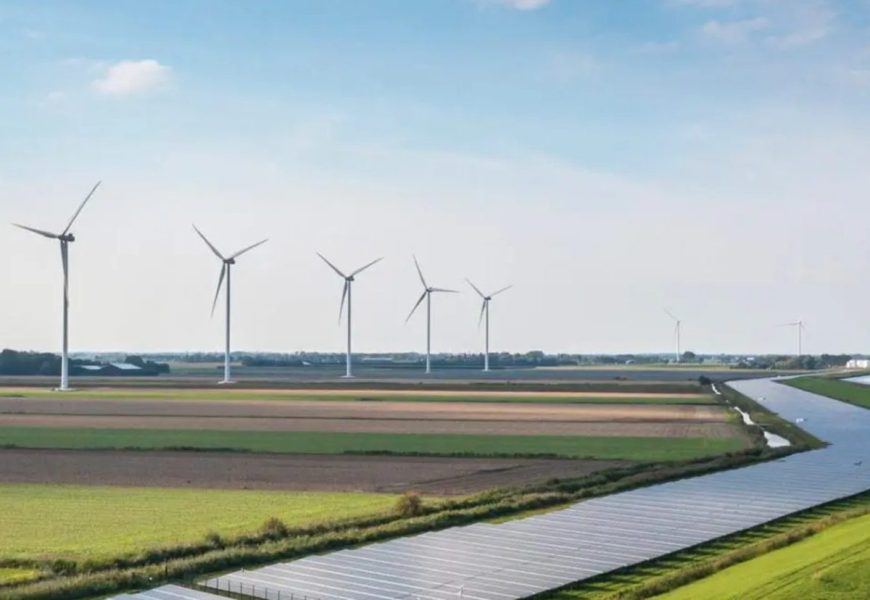
The Minns Labor Government is set to introduce new legislation aimed at fast-tracking the delivery of priority renewable energy projects, as New South Wales prepares for the gradual closure of coal-fired power stations.
Under the proposed changes, the NSW Energy Minister will be granted powers to identify high-priority renewable projects within the planning pipeline and move them through approval processes more efficiently. The reforms are designed to accelerate the rollout of energy generation, storage and transmission infrastructure needed to support households, industry and broader economic growth.
Importantly, the legislation will not bypass existing environmental or community assessment requirements. Project developers will still be required to comply with all planning regulations, environmental standards and community consultation obligations.
To qualify for prioritisation, projects must demonstrate strong engagement with landholders and local communities, particularly across regional NSW, and adhere to best-practice standards.
The state's energy system is currently undergoing one of its most significant transformations in decades, as investment shifts toward renewable sources to replace ageing coal-fired generation. Renewable energy already accounts for around 36 per cent of NSW's annual electricity supply, with periods over summer where it exceeded 80 per cent of the energy mix, helping meet peak demand.
The new legislation, titled the Energy Legislation Amendment (Prioritising Renewable Energy) Bill 2026, aims to build on this momentum by speeding up the infrastructure required to generate, store and distribute clean energy across the state.
It also strengthens the implementation of the NSW Benefit-Sharing Guideline, ensuring that communities hosting renewable projects receive tangible benefits. Since its introduction in November 2024, more than $180 million has been committed to local communities, alongside additional funding delivered through Renewable Energy Zone community and employment initiatives managed by EnergyCo.
Further planning reforms are also being developed to improve how projects are referred to the Independent Planning Commission. These changes aim to maintain strong community input while reducing unnecessary delays for projects deemed critical to the state's energy future.
Minister for Climate Change and Energy Penny Sharpe said the reforms would help secure reliable and affordable energy, particularly for major industrial users, while supporting jobs and economic growth.
She said the legislation would ensure vital infrastructure projects are not held up in lengthy approval queues and would deliver benefits to communities across the state.
Minister for Planning and Public Spaces Paul Scully said the changes would support NSW's ambitious energy targets by improving the efficiency of the planning system.
He noted that since 2023, assessment times for renewable projects have already been reduced by nearly 20 per cent, while approvals have increased by 50 per cent.
Mr Scully said the reforms would help prioritise projects with the greatest potential, ensure community benefit schemes are embedded, and prevent unnecessary delays caused by objections from individuals outside affected areas-while maintaining a strong voice for local residents.
More Top Stories