Estimated reading time 4 minutes 4 Min

NSW Government Unveils Tough New Laws to Combat Organised Crime Networks

The New South Wales Government is set to introduce a suite of tougher laws aimed at dismantling organised crime networks, including stronger penalties for public shootings, firebombings, the use of so-called "kill cars" and the recruitment of children into criminal activity.


May 12, 2026
12 May 2026

The New South Wales Government is set to introduce a suite of tougher laws aimed at dismantling organised crime networks, including stronger penalties for public shootings, firebombings, the use of so-called "kill cars" and the recruitment of children into criminal activity.

The legislation, to be introduced to NSW Parliament today, will also strengthen bail laws by allowing courts to place greater weight on an accused person's links to organised crime and broaden the circumstances where bail decisions can be temporarily halted.

The reforms are designed to target offenders involved in organised criminal activity, particularly those using stolen vehicles to facilitate crimes, carrying out violent attacks in public and exploiting children to commit serious offences.

Tougher penalties for 'kill cars' and child recruitment

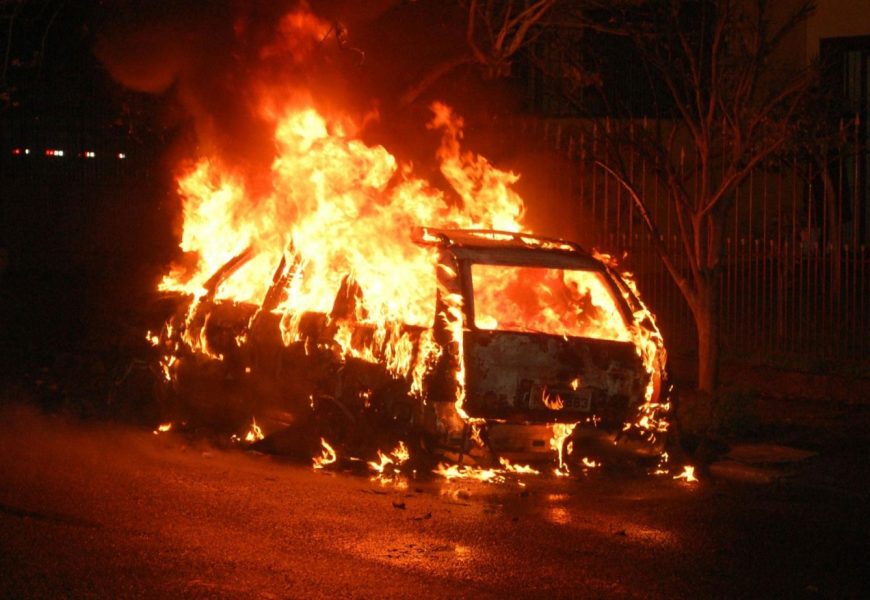
Under the proposed changes, a new aggravated offence will be introduced for destroying a vehicle by fire after it has been used in serious criminal activity, including firearms trafficking, drug offences and illicit tobacco operations.

The offence would carry a maximum penalty of 12 years' imprisonment - an increase on the current 10-year maximum for property damage by fire.

The Government will also introduce tougher penalties aimed at organised criminals who recruit children to break into homes and steal vehicles.

The maximum sentence for recruiting a child to participate in criminal activity will rise from 10 years to 12 years' imprisonment, while offenders recruiting children under the age of 16 could face up to 15 years behind bars.


An additional aggravated offence, carrying a maximum penalty of 15 years' imprisonment, will apply where children are recruited specifically for motor vehicle theft or other serious organised crime activities.

New measures targeting shootings and firebombings

The reforms also respond to a recent rise in public shootings and firebombing incidents linked to illicit tobacco disputes.

A new aggravated offence will be created for discharging a pistol or prohibited firearm in a public place, with offenders facing up to 14 years' imprisonment.

Penalties for shooting at homes and buildings will increase to 18 years and will be expanded to include firing at vehicles.

The legislation will also establish a new offence for arson attacks targeting businesses where there is reckless disregard for public safety, carrying a maximum penalty of 14 years in prison.

Expanded proceeds of crime powers

The Government is also strengthening proceeds of crime laws to make it easier for authorities to confiscate assets linked to organised crime.

Under the changes, investigators will have up to five years - instead of the current one-year limit - to pursue the forfeiture of assets owned by individuals subject to Drug Trafficker Declarations.

The reforms will also ensure wealth concealed through trusts can be considered when assessing criminal assets, closing another loophole used by organised crime figures.

Stronger bail provisions

The bill includes additional bail reforms aimed at keeping serious offenders behind bars.

If prosecutors seek an urgent detention application, courts will be able to temporarily stay bail decisions for up to three days in cases involving serious firearm offences and specially aggravated kidnapping charges.

Currently, such stays are limited to offences including murder, sexual assault and domestic violence matters.

The legislation will also formally recognise organised crime connections as a relevant factor in bail decisions.

Courts will be required to consider whether an offence was committed in connection with organised crime, as well as any breaches of Serious Crime Prevention Orders or Firearm Prohibition Orders.

Minister for Police and Counter-terrorism Yasmin Catley said the reforms would provide police with stronger tools to disrupt and dismantle criminal networks.

She said the Government was particularly concerned by the growing trend of organised criminals recruiting young people with promises of fast money.

Attorney General Michael Daley said the reforms were designed to improve community safety and hold organised crime figures accountable for violent offences including shootings and firebombings.

He said the measures would also strengthen the justice system's ability to consider organised crime links when making bail decisions.

More Top Stories