°C
°C
 4
Min
4
Min
A new $10.7 million national biosecurity platform will help scientists and researchers across Australia identify pest and disease threats faster, strengthening protections for the country's vital primary industries. The NSW Government is spearheading the development of Biosecurity Trakka, a five-year partnership that aims to modernise Australia's plant biosecurity systems.
High-Tech Biosecurity Hub to Strengthen Australia's Agricultural Defences
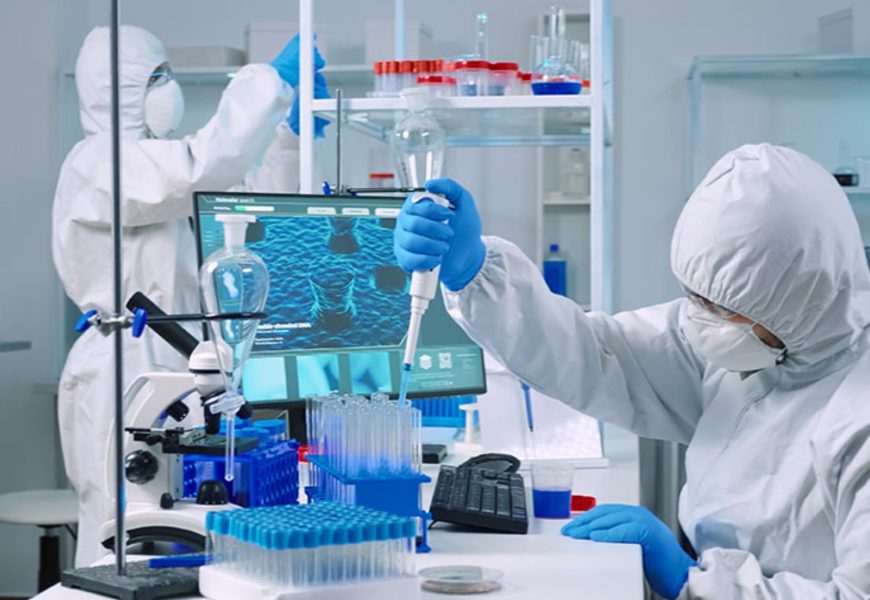
A new $10.7 million national biosecurity platform will help scientists and researchers across Australia identify pest and disease threats faster, strengthening protections for the country's vital primary industries.
The Minns Labor Government is spearheading the development of Biosecurity Trakka, a five-year partnership that aims to modernise Australia's plant biosecurity systems using advanced DNA sequencing and data-sharing technology first refined during the COVID-19 pandemic.
The new platform will provide a secure online hub where scientists, researchers and government agencies can store, analyse and share DNA sequencing data to rapidly detect exotic pests and diseases threatening agriculture.
Led by the NSW Government's Elizabeth Macarthur Agricultural Institute, the project is scheduled for completion by 2030 and builds on the success of the Aus Trakka system, which played a key role in tracking COVID-19 outbreaks nationwide.
DNA sequencing technology is already widely used by Australian biosecurity agencies to identify plant pests and diseases quickly. The shared national platform is expected to significantly reduce response times by enabling jurisdictions to rapidly compare and analyse outbreak data, supporting earlier intervention and containment efforts.
The NSW Department of Primary Industries and Regional Development (DPIRD) will oversee the project through a dedicated delivery team and steering committee over the next five years.
The initiative brings together a broad coalition of partners, including Hort Innovation, the vegetable industry, Australian governments, universities, Bioplatforms Australia and multiple plant research and development corporations.
For NSW, the project is expected to strengthen the state's ability to respond to interstate biosecurity incursions by improving access to critical information and supporting the development of new diagnostic tools. It will also help build national detection and response capabilities, reducing the potential impact of outbreaks reaching NSW.
Several organisations from across Australia will contribute specialist expertise to the project.
The University of Melbourne's AusTrakka team will lead platform analysis and provide advice on data-sharing arrangements, drawing on experience gained during the pandemic. Agriculture Victoria will assist with platform design, beta testing and a national simulation exercise, while DPIRD Western Australia will oversee user feedback to ensure the system remains practical and accessible.
The Department of Agriculture, Fisheries and Forestry will coordinate national data-sharing agreements, while the Australian National University and Bioplatforms Australia will help deliver a training program aimed at increasing technical capability across jurisdictions.
NSW Agriculture Minister Tara Moriarty said the project represented a major national collaboration to defend Australia against invasive pests and diseases.
"This is a major project that is bringing together the nation's experts to develop a world-leading tool to defend against some of the country's most invasive and destructive pests and diseases," Ms Moriarty said.
She said the project would strengthen preparedness across NSW's $25 billion agriculture sector and improve the speed and efficiency of responses to future outbreaks.
"Pests and diseases have no respect for state borders. The faster and more efficiently we identify and deal with outbreaks, the better off everyone will be," she said.
Hort Innovation chief executive Brett Fifield said Biosecurity Trakka demonstrated the benefits of collaboration between industry and government.
"Biosecurity Trakka brings pandemic-proven technology into plant health, delivering faster diagnostics, stronger national coordination and real benefits for growers facing pest and disease incursions," Mr Fifield said.
Director of Animal and Plant Biosecurity Research and Diagnostics at the Elizabeth Macarthur Agricultural Institute, Will Cuddy, said NSW researchers were proud to lead the initiative.
"Our goal is to share expertise and lessons from previous biosecurity responses to ensure Biosecurity Trakka delivers a national uplift in capability," Dr Cuddy said.
"Collaboration across jurisdictions and industries makes this a unique opportunity to deliver lasting benefits for Australian agriculture and the broader economy."
More Top Stories