°C
°C
 4
Min
4
Min
The Cook Labor Government says the Wheatbelt region will benefit from significant investment in housing, healthcare, infrastructure and economic development under the 2026-27 State Budget, alongside targeted cost-of-living relief for families.
Wheatbelt to Benefit from Major Cost-of-Living and Infrastructure Funding

The Cook Labor Government says the Wheatbelt region will benefit from significant investment in housing, healthcare, infrastructure and economic development under the 2026-27 State Budget, alongside targeted cost-of-living relief for families.
The Budget forms part of the Government's broader commitment to strengthening regional Western Australia, with more than $9.5 billion earmarked for infrastructure projects across regional WA over the next four years and more than $4 billion delivered through the Royalties for Regions program.
A major focus of the Budget is increasing housing supply and improving affordability throughout the Wheatbelt.
The Government will invest $1.6 billion into the construction and refurbishment of more than 1,800 social and affordable homes, alongside 500 dwellings for first home buyers. Funding will also support land acquisition and housing maintenance.
Additional housing initiatives include participation in the Commonwealth's 100,000 Homes for First Home Buyers program, which is expected to deliver 11,000 homes reserved exclusively for first home buyers over eight years.
More than $419 million has also been allocated toward Government Regional Officer Housing and key worker accommodation through the Seven Cities New Build program, while new financing initiatives and tax concessions are aimed at accelerating apartment and affordable housing developments.
Regional housing support will receive a further boost through a $50 million increase to the Regional Housing Support Fund, taking the total value of the fund to $75 million.
The Budget also delivers a range of cost-of-living measures for Wheatbelt residents.
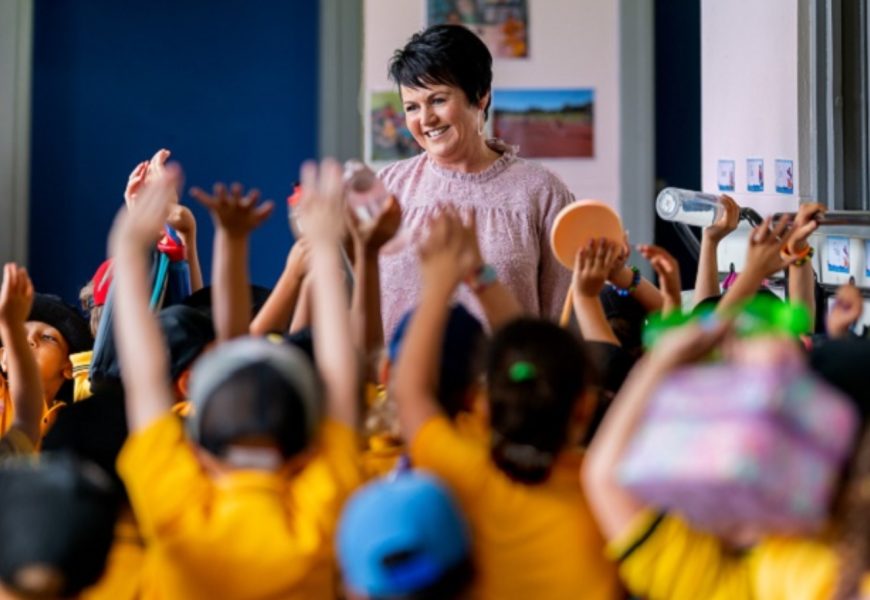
This includes a $100 Fuel Support Payment for eligible driver's licence holders as part of a $198 million package, as well as a third round of the WA Student Assistance Payment. Families will receive $150 for each kindergarten and primary student and $250 for each secondary student, benefiting around 10,900 students across the Wheatbelt.
Additional relief measures include continued free public transport for school students, increased energy assistance payments, extended rent relief programs, and the introduction of a new Foster and Grand Carer Gold Card.
Economic and industry investment also features strongly in the Budget, with funding directed toward energy infrastructure, manufacturing, workforce training and freight rail.
Western Power will receive $973 million to expand electricity infrastructure and support growing industrial and residential demand, while more than $150 million in loans will assist manufacturers to improve energy efficiency and invest in advanced equipment.
Lower-fee and fee-free TAFE programs will continue in 2027, including at campuses in Northam, Narrogin, Merredin and Moora.
The Government will also invest $2 million to support ongoing negotiations and due diligence work on the State's proposed freight rail buyback.
Healthcare investment across regional WA remains a key priority, with the Budget providing an additional $294 million for regional health infrastructure and $214 million for maintenance programs across WA Health facilities.
Other healthcare commitments include funding for medical equipment upgrades, expanded regional health services, mental health programs, suicide prevention initiatives, and continued free flu and RSV vaccination programs.
Infrastructure upgrades across the Wheatbelt include $61 million for improvements to Toodyay Road and the replacement of timber bridges through the Regional Bridge Replacement Program.
Schools across the region are also set to benefit through increased maintenance funding, disability support programs, air-conditioning upgrades and targeted infrastructure works, including upgrades at the WA College of Agriculture in Cunderdin.
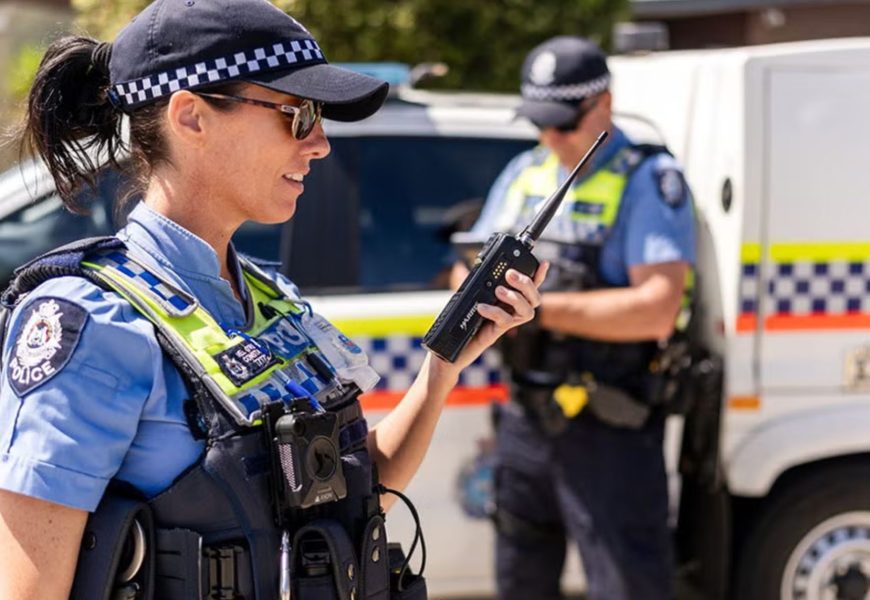
The Budget also includes significant investment in social services and community safety, including additional funding for homelessness services, family and domestic violence refuges, youth support programs and regional policing initiatives.
Environmental and water security initiatives have also been funded, including nearly $53 million to establish a Regional Water Source Fund to support long-term planning and investigation of water supplies across regional WA.
Premier Roger Cook said the Budget would help ensure the Wheatbelt continued to play a major role in the State's economic future.
"The Wheatbelt has been central to WA becoming the strongest economy in the nation and will be critical to our future economic success," he said.
Regional Development Minister Stephen Dawson said the Government was committed to supporting regional communities through investments in essential services, infrastructure and local job creation.
Wheatbelt Minister Sabine Winton said the Budget recognised the region's importance to agriculture, renewable energy and manufacturing.
Labor MLC Sandra Carr said the investments would strengthen local communities while helping families manage rising living costs.
More Top Stories