°C
°C
 4
Min
4
Min
NEW YORK (AP) - The U.S. stock market added to its records as winners of the artificial-intelligence boom keep driving higher. The S&P 500 rose 0.1% Tuesday. The Dow Jones added 0.4%, and the Nasdaq composite rose less than 0.1%. Marvell Technology leaped to its biggest gain on record after Nvidia's CEO suggested it could be the next company to be worth $1 trillion.
Wall Street adds to its records as the AI boom keeps growing
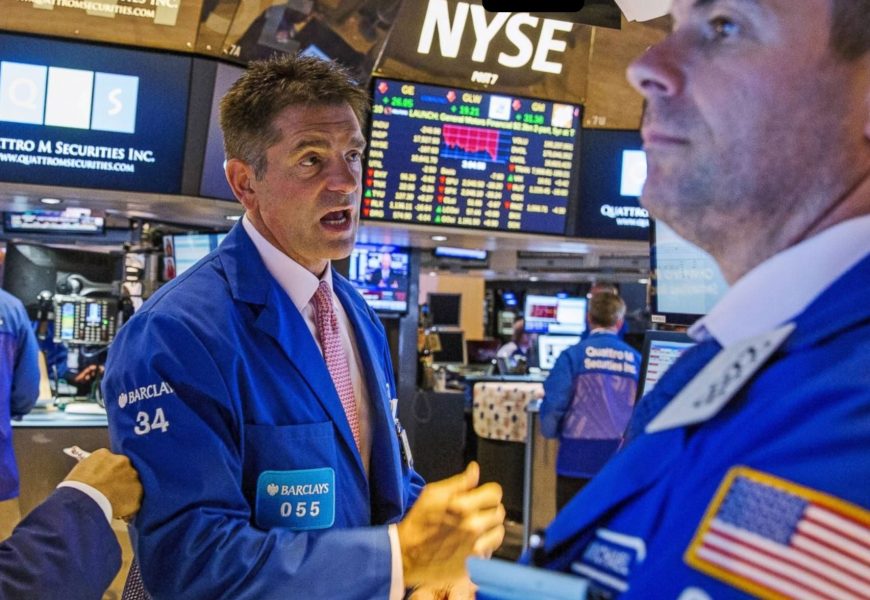
NEW YORK (AP) - The U.S. stock market added to its records as winners of the artificial-intelligence boom keep driving higher. The S&P 500 rose 0.1% Tuesday, edging past the previous all-time high it set a day earlier. The Dow Jones Industrial Average added 0.4%, and the Nasdaq composite rose less than 0.1%. Marvell Technology leaped to its biggest gain on record after Nvidia's CEO suggested it could be the next company to be worth $1 trillion. But Alphabet weighed on the market after the parent company of Google said it's raising $80 billion to help pay for its AI investments. Oil prices rose.
THIS IS A BREAKING NEWS UPDATE. AP's earlier story follows below.
NEW YORK (AP) - The U.S. stock market is hanging around its records Tuesday as winners of the artificial-intelligence boom keep driving higher.
The S&P 500 rose 0.1% a day after setting its latest all-time high. The Dow Jones Industrial Average was up 252 points, or 0.5%, with an hour remaining in trading, and the Nasdaq composite was 0.1% lower.
Hewlett Packard Enterprise helped lead the market, and its stock soared 17.1% after it reported a profit for the latest quarter that blew past analysts' expectations. It credited demand from customers building their artificial-intelligence capabilities.
Marvell Technology leaped 29.3% toward its best day in three years after Nvidia's CEO, Jensen Huang, suggested at a conference in Taiwan that Marvell could be "the next trillion-dollar company." The last company to enter the expanding club of behemoths was Micron Technology, which is likewise riding the AI wave. Nvidia, which slipped 0.8%, has seen its total value explode over $5 trillion.
Generac climbed 6% after saying it signed a deal to provide backup power generators to an unnamed "leading hyperscale data center operator."
Such "hyperscalers" are spending tremendous amounts of money to build huge AI data centers, which are powering what proponents believe is the next great revolution for the global economy.
Alphabet is one of those hyperscalers, and the parent company of Google said it's raising $80 billion in cash to help pay for its investments by selling shares of its stock. It's planning to spend as much as $190 billion on equipment and other investments this year.
That's more than all the stock of The Walt Disney Co. is worth, and Alphabet is forecasting its spending on investments next year will "significantly increase."
Such huge sums raise the question about whether AI can produce the profits and productivity necessary to make all the investment worth it. Critics have already been talking about the possibility of a bubble in AI investment, and Alphabet's stock fell 3.3%. It was one of the heaviest weights on the S&P 500.
Analysts have been saying the broad U.S. stock market may be set for a slowdown following an unrelenting streak of nine straight winning weeks for the S&P 500, its longest since 2023. The rally has been largely due to strong profit reports from U.S. companies, as well as hopes that the United States and Iran will reach a deal to reopen the Strait of Hormuz. That would allow oil to flow freely again from the Persian Gulf and hopefully lower its price.
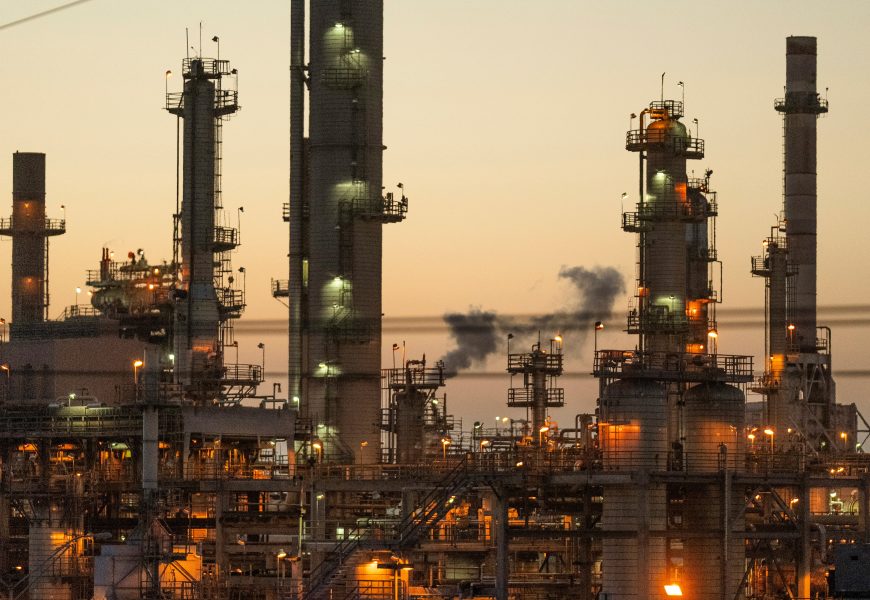
In the oil market, prices rose again to claw back more of last week's slump. Brent crude oil, the international standard, climbed 1.1% to settle at $96.00 per barrel, and it's still well above its roughly $70 level from before the war.
In the bond market, Treasury yields were relatively steady.
The yield on the 10-year Treasury slipped to 4.45% from 4.47% late Monday. It briefly jumped after a report said that U.S. employers were advertising many more jobs at the end of April than economists expected, a potential signal of continued health for the U.S. labor market. But it quickly pulled back to where it was just before the report's release.
High yields worldwide recently have threatened to slow economies and undercut prices for stocks and all kinds of other investments. They have already forced the average long-term U.S. mortgage rate to its most expensive level in nine months, and they could curtail companies' borrowing to build the AI data centers that have supported the U.S. economy's growth recently.
In stock markets abroad indexes rose across much of Europe and Asia.
Hong Kong's Hang Seng jumped 2.5% for one of the world's biggest moves.
More Top Stories