Estimated reading time 4 minutes 4 Min

Zelenskyy, Erdogan Discuss Prospective Peace Negotiations With Russia

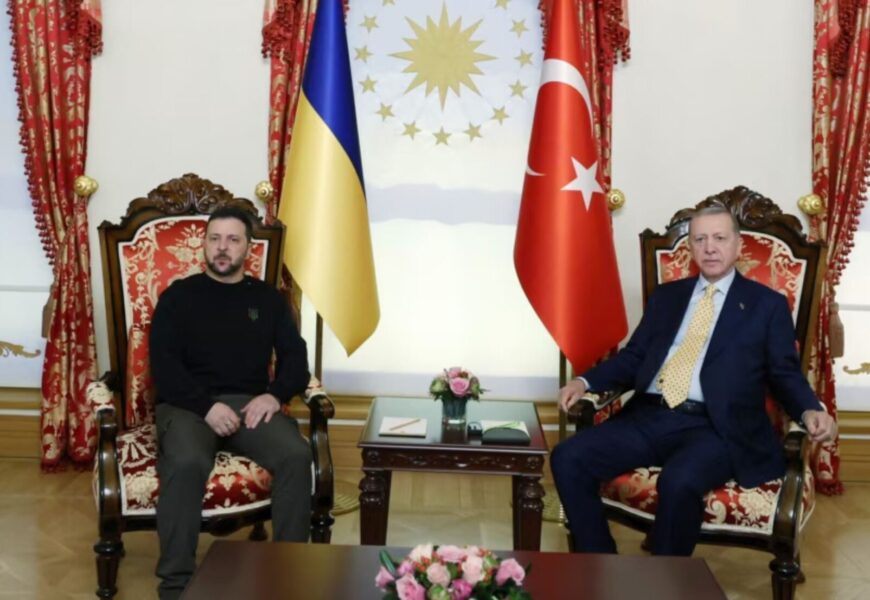
Ukrainian President Volodymyr Zelenskyy is visiting Istanbul Friday for talks with his Turkish counterpart Recep Tayyip Erdogan on the course of Ukraine's war with Russia, the Black Sea grain deal, and regarding the release of Ukrainian POWs and political prisoners held by the Russian state, according to Zelenskyy's office and Turkish media.


8 March 2024
8 March 2024

Ukrainian President Volodymyr Zelenskyy is visiting Istanbul Friday for talks with his Turkish counterpart Recep Tayyip Erdogan on the course of Ukraine's war with Russia, the Black Sea grain deal, and regarding the release of Ukrainian POWs and political prisoners held by the Russian state, according to Zelenskyy's office and Turkish media.

Throughout the two-year war between Ukraine and Russia, Turkey, a NATO member, has sought to maintain good diplomatic relations with both countries and is expected to urge peace negotiations between the two foes.

Ankara "will once again emphasize that our strong support for the territorial integrity, sovereignty and independence of Ukraine, including Crimea, continues," a Turkish diplomatic source told Agence France-Presse.

Last week, Turkish Foreign Minister Hakan Fidan urged Ukraine and Russia to begin cease-fire talks after meeting with Russian counterpart Sergey Lavrov and added that such talks must not mean the recognition of Russia's occupation.

Zelenskyy's visit in Turkey comes as Ukrainian Prime Minister Denys Shmyhal announced Friday at a government meeting that Kyiv expects to receive about $4.5 billion in March and another $1.5 billion in April from the European Union.

Kyiv continues to press allies for more munitions and weaponry to stem the advance of Russian troops into the Ukraine-held western part of the Donetsk region and also to keep from penetrating the Kharkiv region north of it.

Zelenskyy's visit to Turkey comes before a planned visit there by Russian President Vladimir Putin, which the Kremlin has said would be after Russian elections on March 15-17.

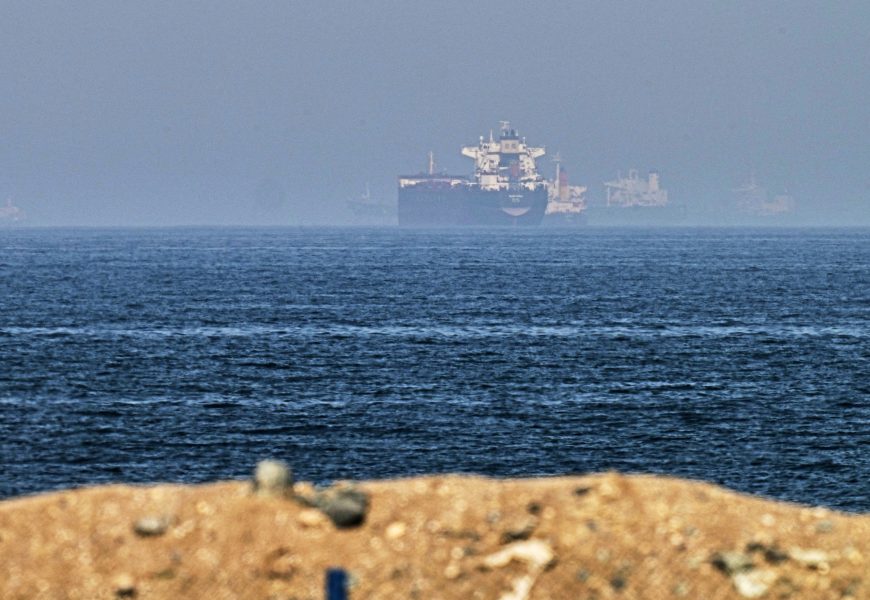
Ankara - which shares a maritime border with Ukraine and Russia in the Black Sea and has focused on maintaining good ties with both countries - has sought to persuade Russia to return to the Black Sea grain deal that allowed Ukraine to safely export grain from its Black Sea ports. Russia has said it was not interested in reviving it.

Last July, Russia exited the Black Sea Initiative brokered by the U.N and Turkey, saying its demands for better terms for its own food and fertilizer exports were being ignored.

As part of its balancing act between Ukraine and Russia, Ankara has offered to host peace talks while keeping up its defense industry ties with Ukraine and deepening its energy cooperation with Russia. Additionally, it has inked an accord to take part in the post-war reconstruction of Ukraine.

"When peace returns to Ukraine, we aim to continue to be a strong supporter of the country's reconstruction efforts, based on our strategic partnership," the Turkish source said.

Charges of torture

Russian armed forces and associated groups systematically use torture in occupied areas of Ukraine, pointing to a "deliberate policy," a United Nations expert said Friday, according to Agence France-Presse reports.
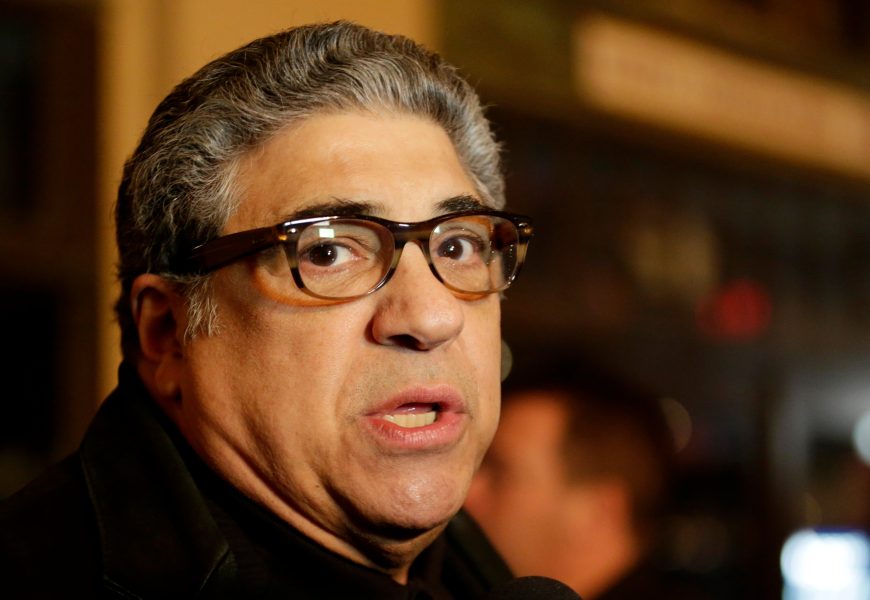
The U.N. Special Rapporteur on Torture Alice Jill Edwards said she had come to that conclusion after a visit to war-torn Ukraine in September.
"The volume of credible allegations of torture and other forms of cruel, inhuman or humiliating treatment or punishment [indicate that] torture is an element of Russia's war policy," she told the U.N. Human Rights Council." These grievous crimes appear to be neither random nor incidental."

Speaking to reporters, Edwards said Ukrainian prosecutors had told her there were about 103,000 open cases related to war crimes and crimes against humanity, of which 90 percent were registered as torture cases.

Edwards, who said she had personally examined dozens of cases involving alleged abuse by Russian forces and their allies, said in a report following her visit, that she found "torture has been carried out in an organized and systematic manner," with the same practices allegedly carried out across different occupied regions.

Edwards and other special rapporteurs are independent rights experts, who are appointed by the U.N. Human Rights Council but do not speak on behalf of the U.N.

On Friday, she repeatedly made a plea for Moscow to "issue a strong and unequivocal directive ... that torture is never permissible and that it will be punished."

She urged Moscow to "open investigations into these allegations and allow international monitors into all places of deprivation of liberty and to observe criminal proceedings."

Addressing conditions faced by Russian prisoners of war in Ukrainian custody, she said "sincere efforts were being made by the Ukrainian authorities to treat POWs respectfully."

Her report raised concerns about conditions in one penal facility in Lviv, however, where Ukrainian nationals charged with collaborating with the Russians were being held, saying she had received "several allegations of abusive treatment by Ukrainian officials," mainly in connection with the capture, arrest and transit of prisoners.

"I call on the Ukrainian authorities to investigate such allegations promptly, to reinforce training and disciplinary and other preventive measures, and to guarantee the protection of all legal rights of all complainants and detainees," she said.

More Top Stories