°C
°C
 2
Min
2
Min
A historic moment unfolded as a privately constructed lunar lander, developed by Intuitive Machines, achieved a successful touchdown on the moon.
US Spacecraft Lands on Moon
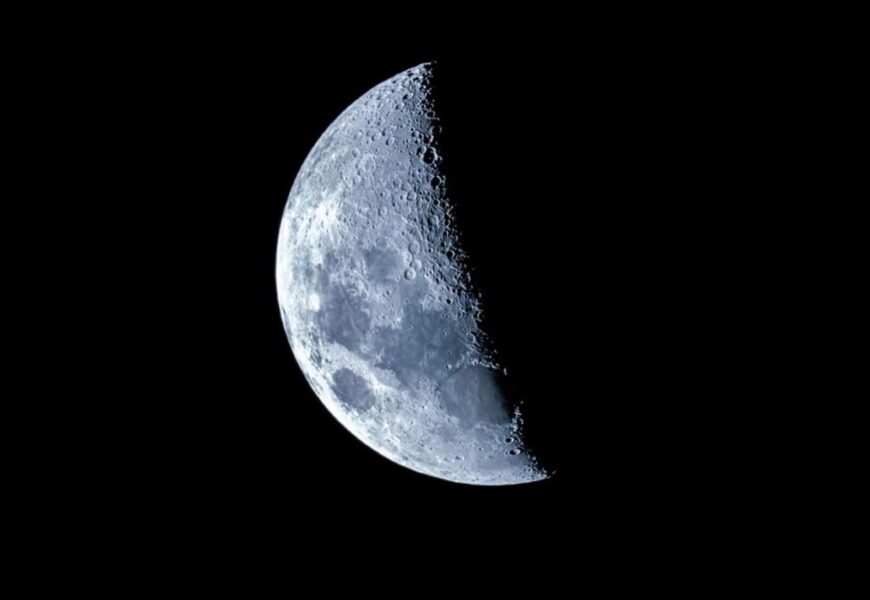
A historic moment unfolded as a privately constructed lunar lander, developed by Intuitive Machines, achieved a successful touchdown on the moon.
This robotic spacecraft not only marked the first privately built craft to land on the lunar surface but also became the initial American vehicle to accomplish this feat in over 50 years.
The Intuitive Machines' Nova-C lander, affectionately named Odysseus, commenced its journey into space on February 15, propelled by a SpaceX Falcon 9 rocket.
After covering a distance of over 620,000 miles in six days, Odysseus overcame a late-stage glitch with its onboard laser instruments and landed on the lunar surface at approximately 6:23 p.m. ET.
This significant achievement positions Odysseus as the first American spacecraft on the moon since the Apollo 17 mission in 1972.
The landing site was strategically chosen near the crater Malapert A, situated close to the moon's south pole, an area of great interest for scientists due to the perceived abundance of water ice in the region's shadowed craters.
During the descent, a last-minute issue with the laser rangefinders onboard Odysseus prompted a swift resolution by Intuitive Machines.
The laser instruments, designed to assess lunar terrain for a safe touchdown, were replaced by repurposed sensors on one of the NASA science instruments aboard the lander.
Odysseus, standing at 14 feet tall, is on a mission to collect data on the moon for about a week before entering lunar night and losing power.
The craft carries a combination of commercial cargo and NASA science instruments.
Notably, the mission is part of NASA's Commercial Lunar Payload Services program, aimed at supporting private-sector companies in developing moon landers. NASA has allocated $118 million to Intuitive Machines for executing this lunar landing.
This accomplishment by Odysseus adds it to an exclusive group, as only the space agencies of the United States, the former Soviet Union, China, India, and Japan have previously achieved controlled or "soft" landings on the moon.
It further underscores NASA's vision to collaborate with private companies for lunar exploration, setting the stage for transporting cargo and scientific instruments to the lunar surface and ultimately returning astronauts to the moon.
More Top Stories