°C
°C
 2
Min
2
Min
The Nasdaq Composite achieved a remarkable milestone on Thursday, concluding the trading day at its first record high since November 2021. Notably, the tech-heavy Nasdaq surged by 0.9%, reaching an all-time peak of 16,091.92, driven by a strong rally in technology stocks and semiconductor shares towards the market close.
Nasdaq Reaches Record High – Since 2021
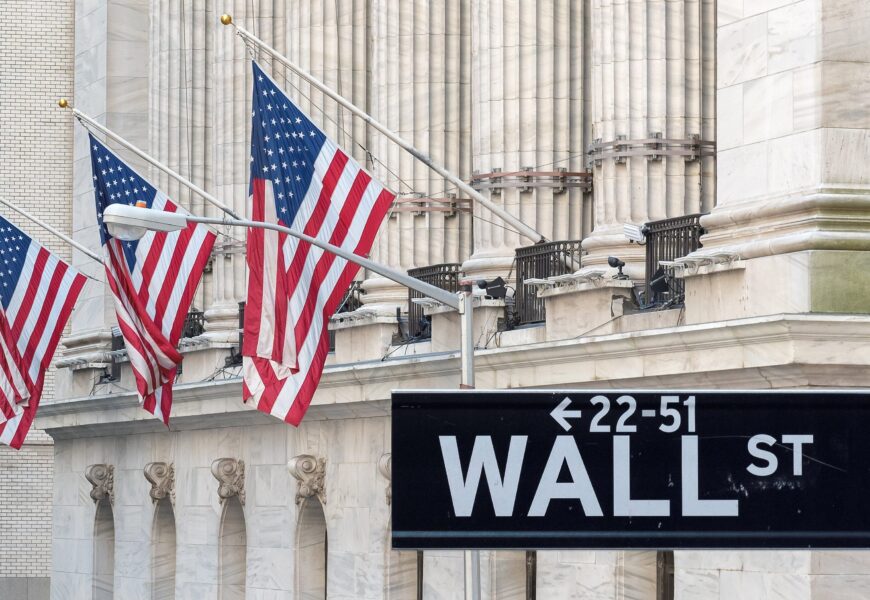
The Nasdaq Composite achieved a remarkable milestone on Thursday, concluding the trading day at its first record high since November 2021.
Notably, the tech-heavy Nasdaq surged by 0.9%, reaching an all-time peak of 16,091.92, driven by a strong rally in technology stocks and semiconductor shares towards the market close.
Concurrently, the S&P 500 also attained a new record, marking a 0.52% gain to finish at 5,096.27, while the Dow Jones Industrial Average experienced a modest uptick of 0.12%, closing at 38,996.39.
This session marked the conclusion of February trading, securing the fourth consecutive positive month for Wall Street. Despite concerns arising from intermittent declines, the sustainability of the AI-driven rally remained intact.
Notably, the Nasdaq outperformed other indices with an impressive gain of 6.12%, while the S&P 500 climbed 5.17%, and the Dow achieved a 2.22% increase, marking its first four-month winning streak since May 2021.
The Nasdaq's ascent to a new record comes amidst heightened enthusiasm surrounding artificial intelligence, propelling major tech stocks, and consequently, the broader markets, throughout 2023 and into the current year.
The so-called "Magnificent 7" - comprising Alphabet, Amazon, Apple, Meta Platforms, Microsoft, Nvidia, and Tesla - played a pivotal role in the Nasdaq's recovery from the challenges faced in 2022. Notably, chip-related companies stood out in Thursday's rally, with Advanced Micro Devices experiencing a notable surge of over 9% and ultimately closing higher by more than 2%.
Despite lingering concerns, data revealed that the Federal Reserve's preferred measure of inflation remained persistently above the central bank's target in January.
Fortunately, it did not surpass Wall Street forecasts. Additionally, there were positive signs indicating robust consumer spending.
The core personal consumption expenditures price index, a key inflation gauge for the Federal Reserve, showed a 0.4% increase for the month and a 2.8% rise from the previous year, aligning with Dow Jones estimates.
More Top Stories