°C
°C
 2
Min
2
Min
Microsoft has contested The New York Times’ lawsuit against OpenAI, alleging that the claims made by the publisher are “unsubstantiated” and could have significant implications for the future of generative artificial intelligence.
Microsoft Says New York Times Claims Against Open AI Unsubstantiated
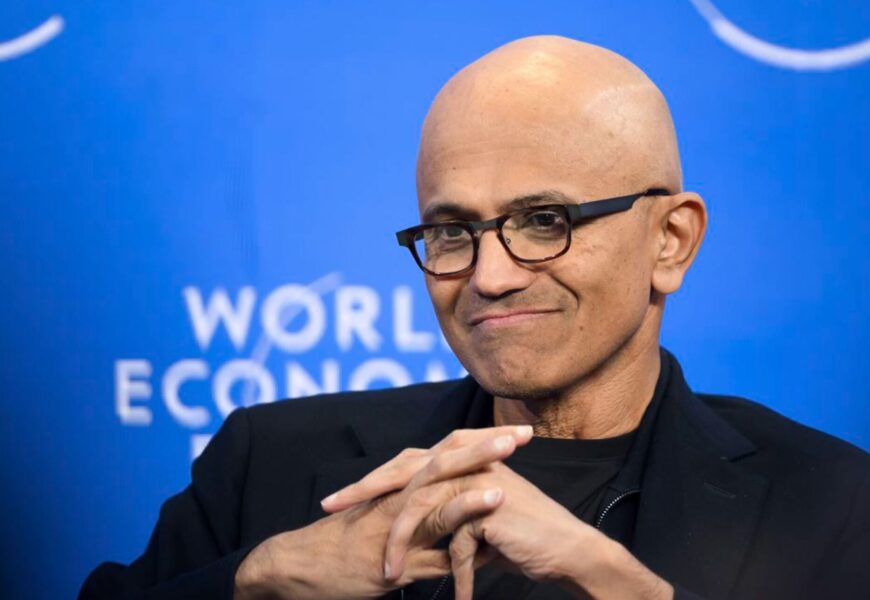
Microsoft has contested The New York Times' lawsuit against OpenAI, alleging that the claims made by the publisher are "unsubstantiated" and could have significant implications for the future of generative artificial intelligence.
In a motion filed on Monday seeking to dismiss part of the suit, Microsoft argued that the Times presented a misleading narrative of "doomsday futurology," suggesting that OpenAI's ChatGPT chatbot would devastate the news industry.
Drawing a parallel, Microsoft compared the lawsuit to Hollywood's initial resistance to the VCR in the 1970s, which allowed users to record television programs.
Microsoft, as OpenAI's primary investor with an investment of approximately $13 billion, asserted that The New York Times wielded its influence to challenge the progress represented by the Large Language Model.
The legal filing marked the latest development in the ongoing clash between OpenAI and the media sector, primarily concerned about AI models being trained on valuable content spanning several decades.
The Times had accused OpenAI and Microsoft of copyright infringement and misusing the newspaper's intellectual property in training Large Language Models (LLMs).
Previously, OpenAI sought the dismissal of parts of the Times' lawsuit, alleging that the publisher had paid someone to hack OpenAI's products, including ChatGPT, to generate examples of copyright infringement.
OpenAI claimed that the Times resorted to deceptive prompts violating OpenAI's terms of use to produce anomalous results.
Microsoft's recent filing argued that the content used to train LLMs did not replace the market for the original works but instead served to teach the models language.
The Times has not yet responded to CNBC's request for comment on Microsoft's latest legal move.
Since its public release in late 2022, ChatGPT has propelled OpenAI to a valuation exceeding $80 billion, making it one of the most sought-after startups globally.
Acknowledging the necessity of copyrighted works for training top AI models, OpenAI asserted in a recent filing that it is "impossible" to train leading AI models without utilizing copyrighted materials, as copyright covers a broad spectrum of human expression.
OpenAI CEO Sam Altman, as recently as January in Davos, Switzerland, expressed surprise at The New York Times' lawsuit, emphasizing that OpenAI's models did not rely on the publisher's data for training.
Altman clarified that any single training source did not significantly impact OpenAI's models, debunking misconceptions about their dependence on specific datasets.
More Top Stories