°C
°C
 3
Min
3
Min
Japan’s Nikkei 225 index achieved a historic milestone on Thursday by surpassing its all-time high from 1989, reaching a record-breaking 38,924.88. The surge was attributed to robust corporate earnings and initiatives designed to enhance investor returns, propelling Japanese equities into a remarkable rally this year.
Japans Nikkei 225 Index Reaches All Time High
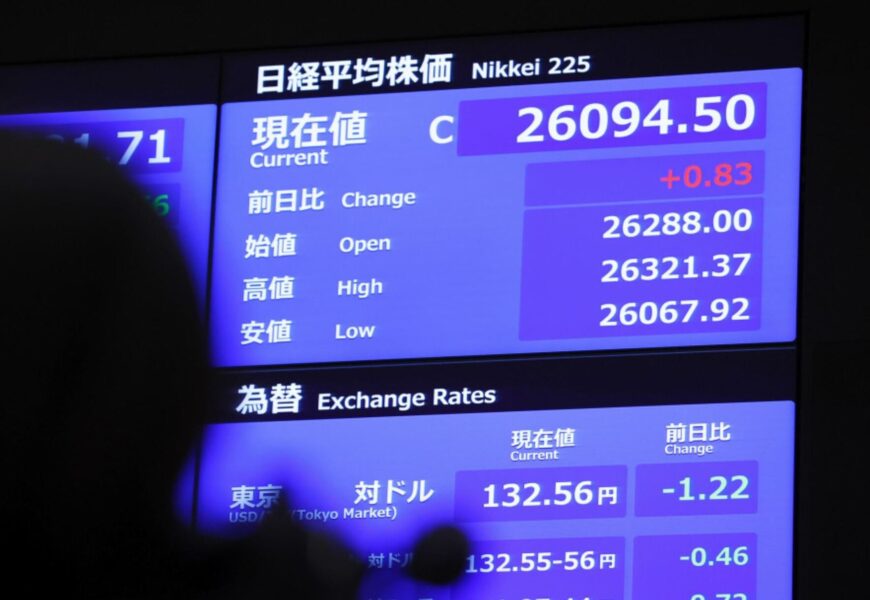
Japan's Nikkei 225 index achieved a historic milestone on Thursday by surpassing its all-time high from 1989, reaching a record-breaking 38,924.88. The surge was attributed to robust corporate earnings and initiatives designed to enhance investor returns, propelling Japanese equities into a remarkable rally this year.
Both the Nikkei and the broader Topix have emerged as standout performers in the Asia Pacific region, boasting over 10% growth in the early months of 2024. This follows their impressive 25% surge in 2023, marking their best annual gains in at least a decade.
The solid third-quarter corporate earnings of Japanese companies prompted Bank of America equity strategists to revise their year-end forecasts for 2024.
They upgraded the Nikkei 225 projection to 41,000 from 38,500 and raised the Topix forecast to 2,850 from 2,715.
A contributing factor to this bullish trend is the depreciation of the yen, which has lost approximately 6% against the dollar this year, potentially heading towards the 33-year lows observed late last year.
Investors have been drawn to Japanese equities, influenced by Warren Buffet's optimistic stance on Japan and the government's commitment to corporate governance reforms, aimed at increasing shareholder returns.
Foreign investments in the Tokyo Stock Exchange's "prime" offerings, its largest and most liquid stocks, exceeded 2 trillion yen in January, according to data from the exchange.
Nikkei also reported that listed companies in Japan could achieve a record-high net profit for the third consecutive fiscal year ending March 2024.
This positive momentum is underscored by the recent quarterly earnings report for October-December, revealing a 45% increase from the same period the previous year and surpassing consensus estimates by 14%, as noted by Goldman Sachs analysts.
Major companies like Toyota, the world's largest car manufacturer, have revised their earnings forecasts, anticipating a larger profit margin and stronger revenue.
While the weakening yen has benefited Japanese exporters, concerns have been raised about its impact on domestic consumers' purchasing power.
Japanese Finance Minister Shunichi Suzuki expressed urgency in monitoring the currency's movements, aligning with several government officials expressing similar concerns.
The Bank of Japan, despite "core core inflation" surpassing its 2% target for over a year, has maintained its negative rates regime, making it the world's last.
Market participants anticipate a shift away from negative rates during the April policy meeting, contingent on the outcome of the annual spring wage negotiations, which are expected to confirm a trend of meaningful wage increases.
The central bank believes that higher wages will stimulate consumer spending, fostering a positive economic spiral.
However, prolonged high inflation rates have impacted domestic consumption, contributing to Japan's second consecutive quarter of GDP contraction, leading to the country ceding its position as the world's third-largest economy to Germany.
More Top Stories