°C
°C
 2
Min
2
Min
Friday witnessed a decline in the stock market as the Dow Jones Industrial Average dropped over 100 points, putting an end to the five-week winning streak for major averages.
Dow Drops Over 100 Points – Ends 5 Week Winning Streak
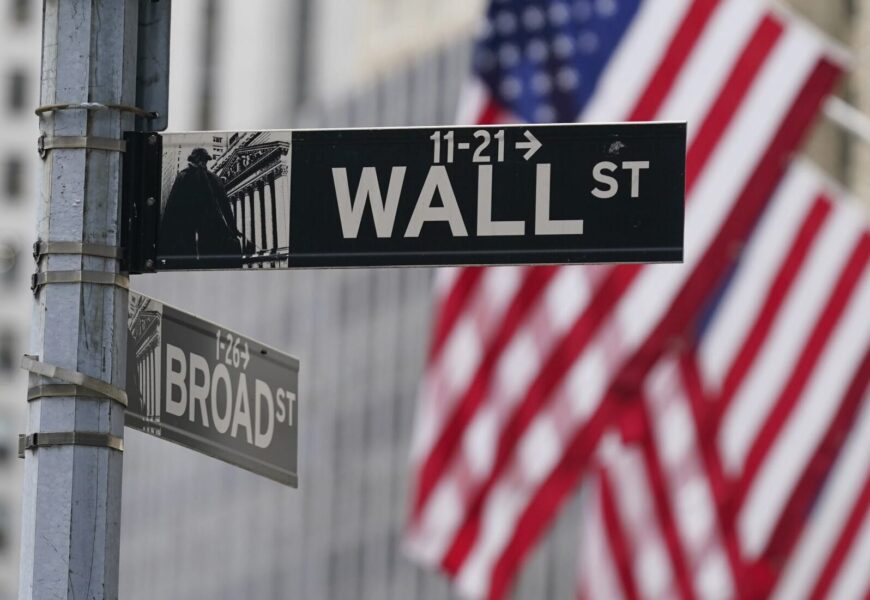
Friday witnessed a decline in the stock market as the Dow Jones Industrial Average dropped over 100 points, putting an end to the five-week winning streak for major averages.
The S&P 500 decreased by 0.48%, closing at 5,005.57, while the Dow Jones Industrial Average slid by 0.37%, settling at 38,627.99.
The Nasdaq Composite also experienced a decline of 0.82%, concluding at 15,775.65.
This downturn in the market was triggered by concerns arising from another surge in inflation, suggesting that Federal Reserve rate cuts might be delayed beyond earlier expectations for this year.
All three major indexes closed the week in negative territory, with the S&P 500 down by 0.42%, the Dow slipping by 0.11%, and the Nasdaq tumbling by 1.34%.
The producer price index for January, a gauge of wholesale inflation, rose by 0.3%, surpassing the anticipated 0.1% gain according to economists polled by Dow Jones.
Excluding food and energy, the core producer price index increased by 0.5%, exceeding expectations for a 0.1% advance.
Following the robust producer price index reading, the 10-year Treasury yield surged above 4.3%, and at one point, the 2-year Treasury yield reached 4.7%, the highest since December.
The week has been marked by market volatility as investors closely monitored the direction of the U.S. economy and speculated on when the Federal Reserve might decide to implement rate cuts.
Earlier in the week, the Dow experienced its most significant daily decline in nearly a year after the January headline consumer price index reading came in at 3.1%, surpassing the expected 2.9% predicted by Dow Jones economists.
Although the market rebounded on Thursday, reaching another record high, Friday's wholesale inflation report heightened concerns that the Federal Reserve might postpone rate cuts until later in the year.
The stock market remains influenced by the dynamic economic landscape and the evolving stance of the Federal Reserve.
More Top Stories