°C
°C
 3
Min
3
Min
BP, the energy giant, has disclosed its annual profit for 2023, marking its second-highest in the past ten years, though it stands at half the level reported in the preceding year.
BP Records Second Highest Annual Profit in the Past 10 Years
BP, the energy giant, has disclosed its annual profit for 2023, marking its second-highest in the past ten years, though it stands at half the level reported in the preceding year.
The profits for 2023 amounted to $13.8 billion (£11 billion), a significant decrease from the record-breaking $27.7 billion in 2022 when oil prices surged following Russia's invasion of Ukraine.
The decline in profits is attributed to the subsequent drop in oil prices throughout the year, impacting the financial performance of energy companies globally.
Despite the dip, BP has emphasized its commitment to enhancing shareholder value by intensifying efforts to return cash to investors.
This financial update comes under the leadership of the newly appointed CEO, Murray Auchincloss, following the resignation of Bernard Looney in September 2023. Looney left amid admissions of not being fully transparent about personal relationships at the company, resulting in allegations of serious misconduct and the forfeiture of up to £32.4 million in pay and benefits.
In a broader industry context, rival Shell recently reported a decrease in profits to $28.2 billion for the year 2023, down from $39.9 billion in 2022, echoing the challenges faced by energy companies globally.
Despite the overall decrease, BP's 2023 annual profit figure, excluding the exceptional 2022 results, stands as the highest since 2012.
In the last quarter of 2023, BP reported profits of $3 billion, surpassing expectations and resulting in a more than 5% increase in shares by Tuesday afternoon.
Looking ahead, BP has outlined plans to increase returns to investors in the first quarter of the year through $1.75 billion in share buybacks.
Additionally, the company has committed to $3.5 billion in buybacks over the first half of 2024.
BP anticipates higher underlying production from oil operations in the coming year, while output from gas and low-carbon energy is expected to decline.
Despite criticism from environmental groups regarding the scaling back of plans to reduce oil and gas production, BP remains optimistic about its prospects.
Responding to the financial results, Global Witness, a campaign group, criticized BP's policies, urging shareholders to prioritize a swift transition to clean energy.
The group argued that lavish shareholder payouts run counter to the necessary environmental transition.
The fluctuation in energy prices, triggered by the end of Covid lockdowns and the Russia-Ukraine conflict in 2022, led to a surge in profits for energy companies.
The UK government introduced the Energy Profits Levy (EPL) to tax extraordinary earnings, contributing to a subsidy scheme for gas and electricity bills. While the subsidy scheme ended in June 2023, energy bills for households remain elevated compared to pre-conflict levels.
BP disclosed that its North Sea business paid $1.5 billion (£1.2 billion) in UK tax for 2023, with $720 million attributed to the EPL. In the previous year, the company paid $2.2 billion in tax for its North Sea operations, including $700 million from the EPL.
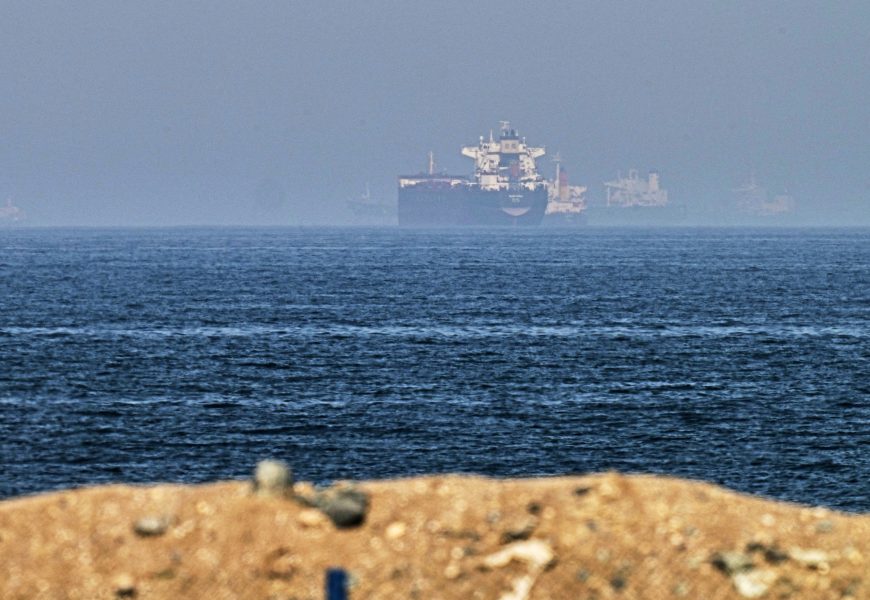
Concerns about potential surges in oil prices due to attacks on shipping in the Red Sea by Houthi rebels have not materialized, and oil prices have remained relatively stable.
These attacks prompted companies like BP to redirect ships away from the Suez Canal, a vital route for transporting oil and liquefied natural gas between Asia and Europe.
More Top Stories