°C
°C
 2
Min
2
Min
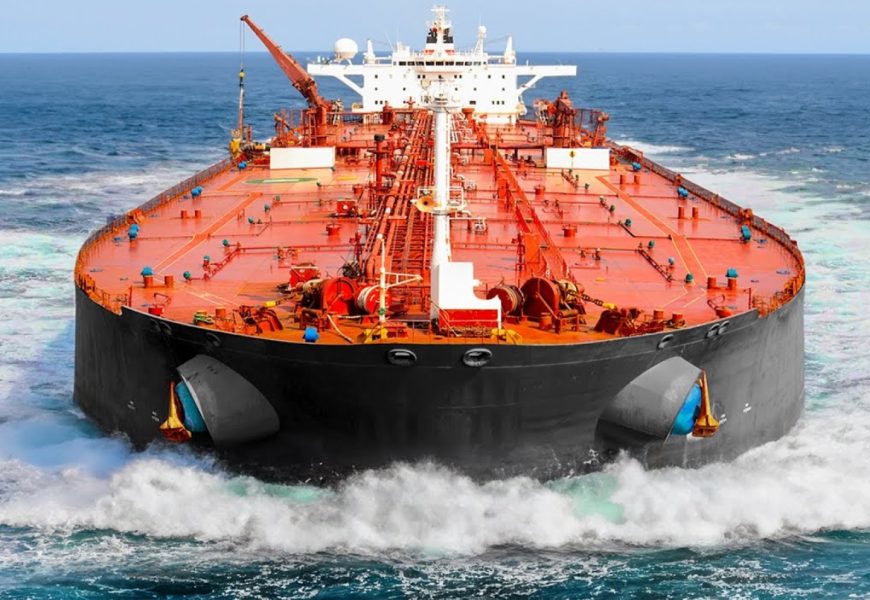
LIMASSOL, Cyprus (AP) – The European Union’s foreign policy chief said Thursday securing freedom of navigation through the Strait of Hormuz after the Iran war ends will require more ships, including more vessels from Europe, and the expansion of a current EU naval mission.
EU envoy seeks more vessels to secure Hormuz navigation once the war in Iran ends

LIMASSOL, Cyprus (AP) - The European Union's foreign policy chief said Thursday securing freedom of navigation through the Strait of Hormuz after the Iran war ends will require more ships, including more vessels from Europe, and the expansion of a current EU naval mission.
The EU mission in the Red Sea - dubbed Aspides, from the Greek for "shield" - is comprised of three vessels that protect shipping from attacks by Houthi rebels in Yemen. The Strait of Hormuz, through which roughly a fifth of the world's oil and gas used to pass prior to the war, sits at the southern end of the Red Sea.
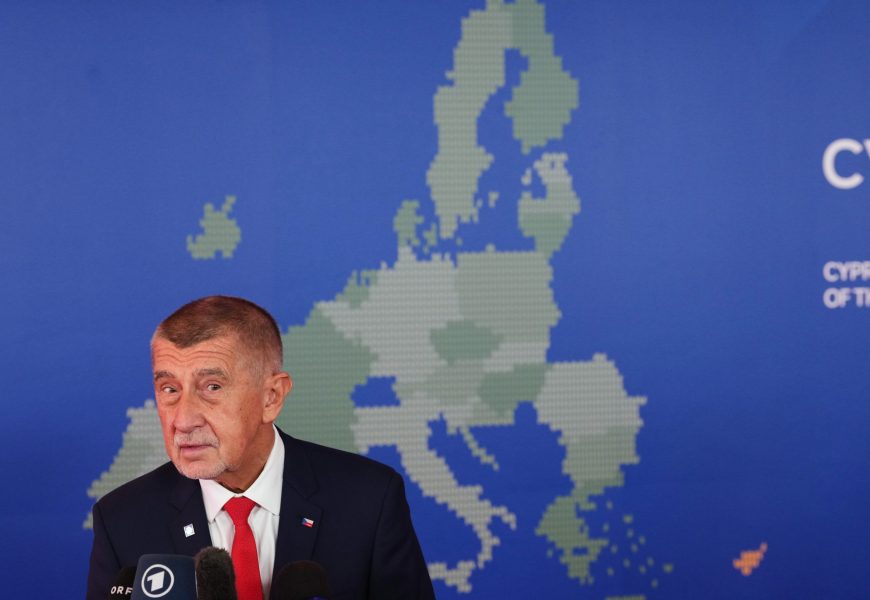
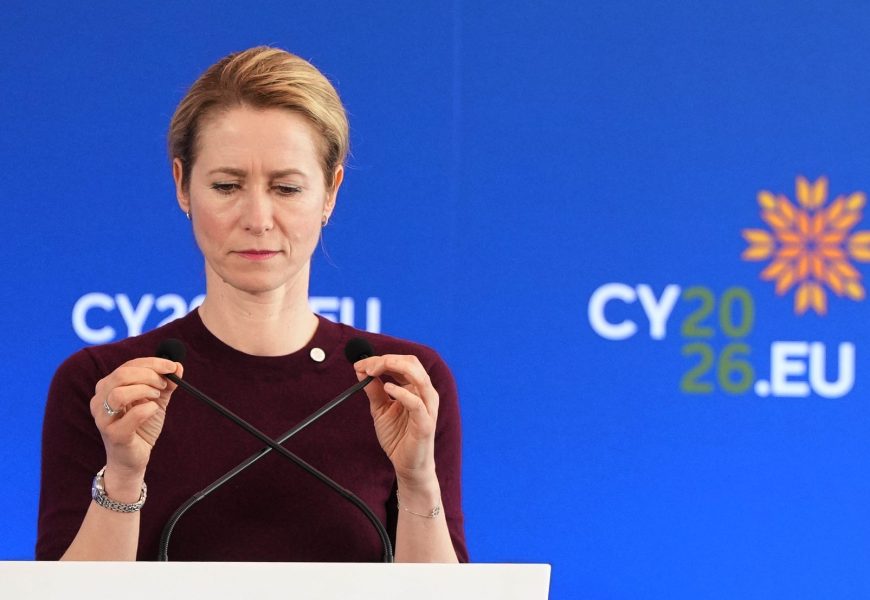
EU foreign policy chief Kaja Kallas said after a meeting of the bloc's foreign ministers that the operational plans for Aspides may have to be amended, depending on additional requirements such as specialized vessels to clear mines from the strait.
"But it mostly needs more ships," she said, adding that an additional vessel will join the Aspides operation, without providing any details.
The EU earlier this year extended Aspides' mandate until the end of February 2027 with an additional 15 million euros ($17.5 million) in funding.
France and the U.K. are also mulling their own naval force to escort ships through the Strait of Hormuz once hostilities end.
An EU official said the bloc was in discussions about possibly merging Operation Aspides with the Franco-British force, but much still needs to be ironed out regarding under whose authority a joint force would operate. The official was speaking on condition of anonymity because he wasn't authorized to talk publicly about the negotiations.
Shipping costs increased after the war in Iran began on Feb. 28, due to high insurance premiums. The EU official said costs were unlikely to go down for at least another year after an end to hostilities, noting that it's now cheaper for ships to travel around the African continent than to traverse the Red Sea.
He said officials are considering offering state guarantees to shipping companies so that they reduce insurance premiums. ____ Associated Press writer Sam McNeil in Brussels contributed to this report.