The end of oil? As fuel shocks cascade, 53 nations gather to plan a fossil fuel phaseout
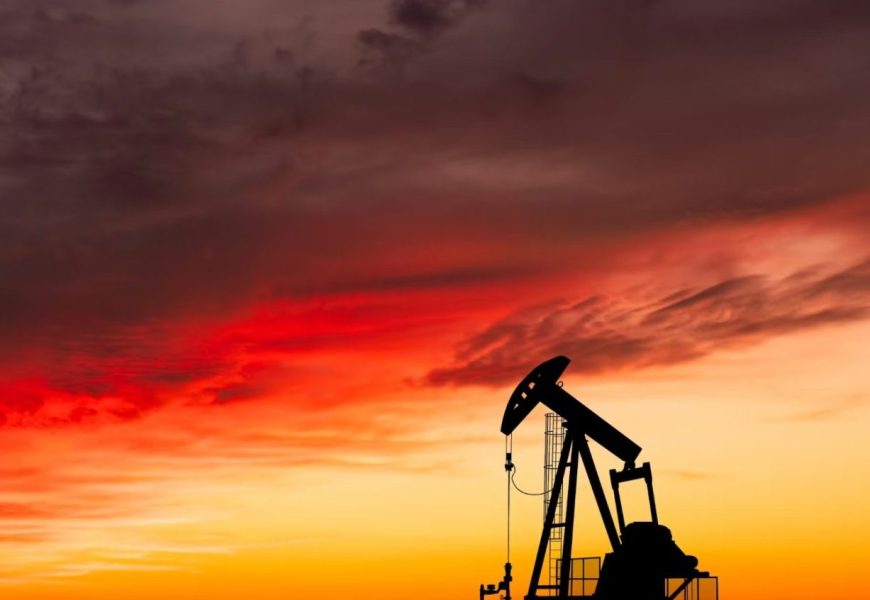
US President Donald Trump is a longtime climate denier and oil industry ally, who sums up his own energy policy as "drill, baby, drill". Yet he is doing more than almost anyone to speed up the global shift from fossil fuels to clean energy and electric vehicles (EVs).
22 April 2026
22 April 2026
US President Donald Trump is a longtime climate denier and oil industry ally, who sums up his own energy policy as "drill, baby, drill". Yet he is doing more than almost anyone to speed up the global shift from fossil fuels to clean energy and electric vehicles (EVs).
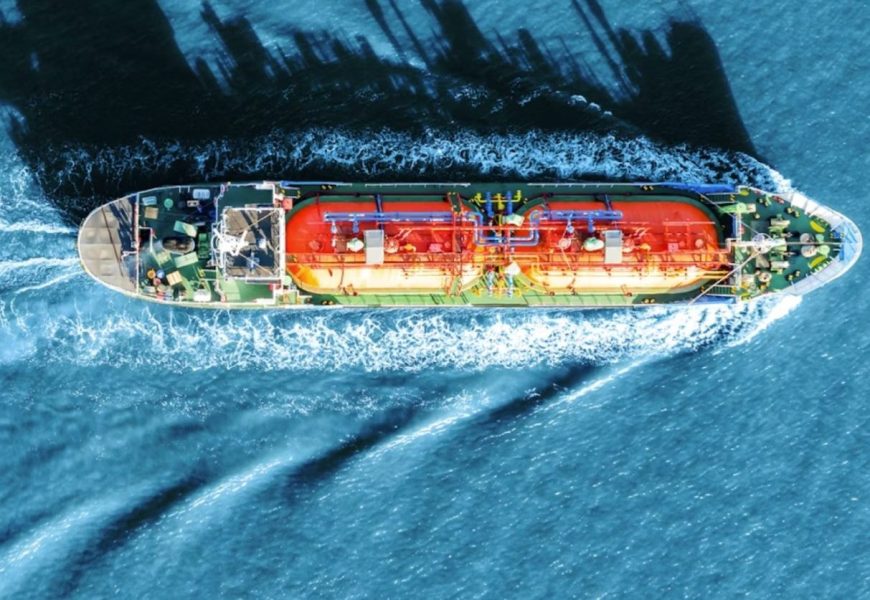
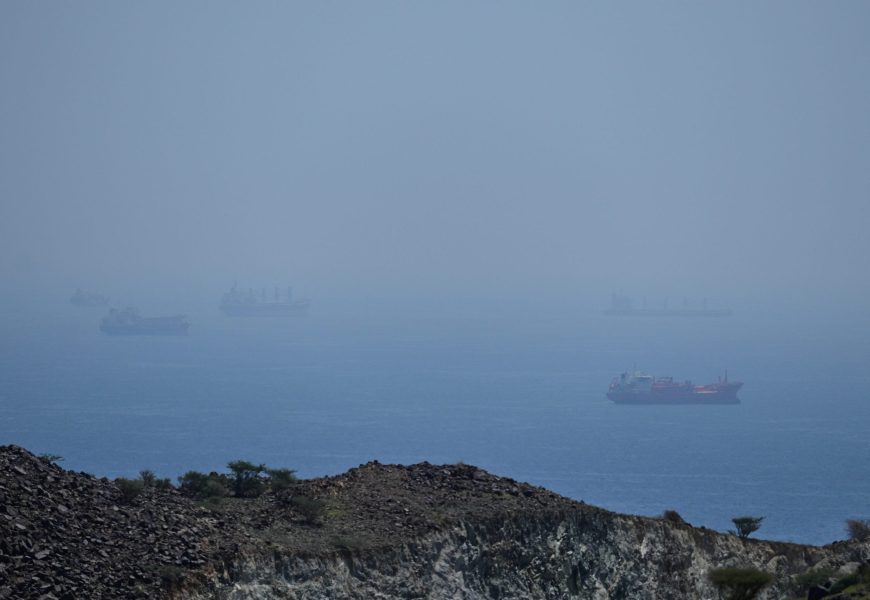
After the US and Israel struck Iran in late February, Tehran closed the Strait of Hormuz and triggered the largest disruption of oil supply in history.
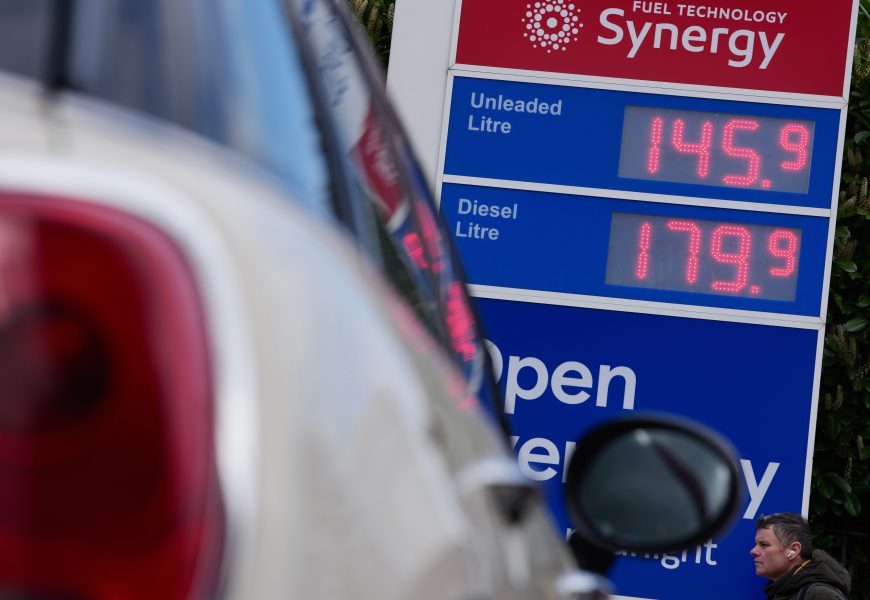
Ironically for Trump and his oil industry donors, this crisis may be an irreversible tipping point for clean energy. For years, fossil fuel advocates spruiked oil, gas and coal as "reliable" energy. That narrative has been reversed. Fossil fuels have become expensive and unreliable, while renewables are cheap, reliable and secure.
For the first time ever, more than 50 nations will gather next week in Colombia to hash out how to wind down and end their dependence on coal, oil and gas. The history-making conference was planned before the Iran war. But this year's energy crisis has greatly raised the stakes.
The oil crisis is real
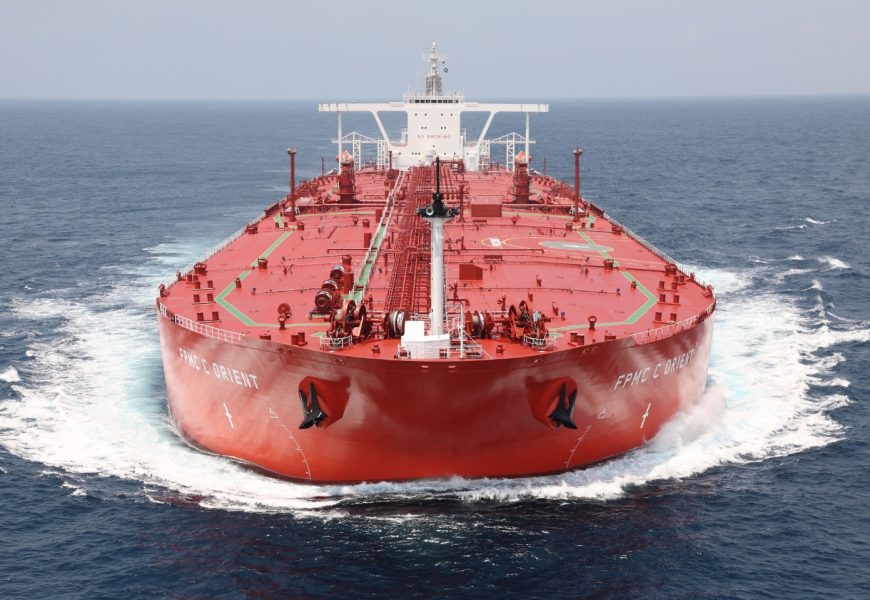
Iran's closure of the narrow Strait of Hormuz stopped oil tankers reaching their destinations. But that wasn't all. More than 60 gas and oil sites have been damaged in the conflict so far. Even if a durable ceasefire is reached, these impacts will reverberate for months and years to come.
Around 80% of the trapped crude oil was destined for the Asia-Pacific. Faced with dwindling supply, the region's governments are implementing emergency measures such as sending workers home, banning government travel, rationing fuel and cutting school hours.
The problem is especially bad in the Pacific. Many island nations use diesel for power generation. In response, leaders declared a regional emergency.
Fuel import bills were already a major burden for Pacific nations, leading to efforts to switch to local renewables. Fuel bills could rise by A$933 million in Fiji (nearly three times the healthcare budget).
Pacific nations are heavily dependent on imported diesel.
Scrambling for energy
When energy supplies are disrupted, leaders have three options: find alternate supplies, reduce use or switch to alternatives. In the very short term, countries aim to shore up supply, just as Australian Prime Minister Anthony Albanese did last week in Malaysia.
Countries have also moved to reduce use. This can have lasting effects. During the Middle East oil shocks of the 1970s, oil prices tripled and then doubled again. Authorities responded by improving energy productivity to do more with less. The world's final oil demand per capita peaked in 1979 and has never recovered.
But the real difference from half a century ago is that fossil fuel alternatives are ready for prime time. Since the 1970s, the price of solar panels has fallen 99.9%, while the cost of wind has fallen 91% since 1984. Battery prices have fallen 99% since 1991.
This year's oil shock shows signs of creating an unplanned social tipping point - a threshold for self-propelling change beyond which systems shift from one state to another. Climate scientists warn of climate tipping points which amplify feedback and accelerate warming. But social scientists also point to positive tipping points - collective action that rapidly accelerates climate action.
Australia's 1.3 million hybrid and battery electric vehicles avoid almost 15 million litres of petrol and diesel use every week.
The rush to electric transport is global. Most new Chinese cars are powered by batteries, not oil. Battery electric vehicles outsold petrol cars for the first time in Europe in January.
A conference to quit fossil fuels
The routine burning of coal, oil and gas is the primary driver of the climate crisis. The world's highest court last year made clear nations have obligations to stop burning fossil fuels.
But fossil fuels have barely been mentioned in 30 years of global climate negotiations, due in part to blocking efforts by big fossil fuel exporters and lobbyists.
Frustrated by slow progress, a coalition of nations has bypassed global climate talks to discuss how to actually phase out fossil fuels.
The first of these summits will take place next week. More than 50 nations will gather in Santa Marta, Colombia, to discuss a potential standalone treaty to manage fossil-fuel phaseout while protecting workers and financial systems.
Colombian Environment Minister Irene Vélez Torres says it comes at the "best possible moment", as the oil crisis focuses global attention on fossil fuel dependency.
If next week's summit produces real momentum to wean off fossil fuels amid the energy crisis, we might look back at it as a social tipping point where early adopters move in earnest - and make it easier for the rest of the world to follow.
TheConversation.com
Author:
Wesley Morgan - Research Associate, Institute for Climate Risk and Response, UNSW Sydney
Ben Newell - Professor of Cognitive Psychology and Director of the Institute for Climate Risk and Response, UNSW Sydney


 °C
°C
 5
Min
5
Min