°C
°C
 3
Min
3
Min
DUBLIN (AP) – Six players from Georgia’s rugby team have been handed long bans – including one for 11 years – for their involvement in a urine-swapping scheme to cheat anti-doping tests in one of the sport’s biggest corruption scandals.
Rugby doping scandal sees six Georgia players get long bans, including one for 11 years
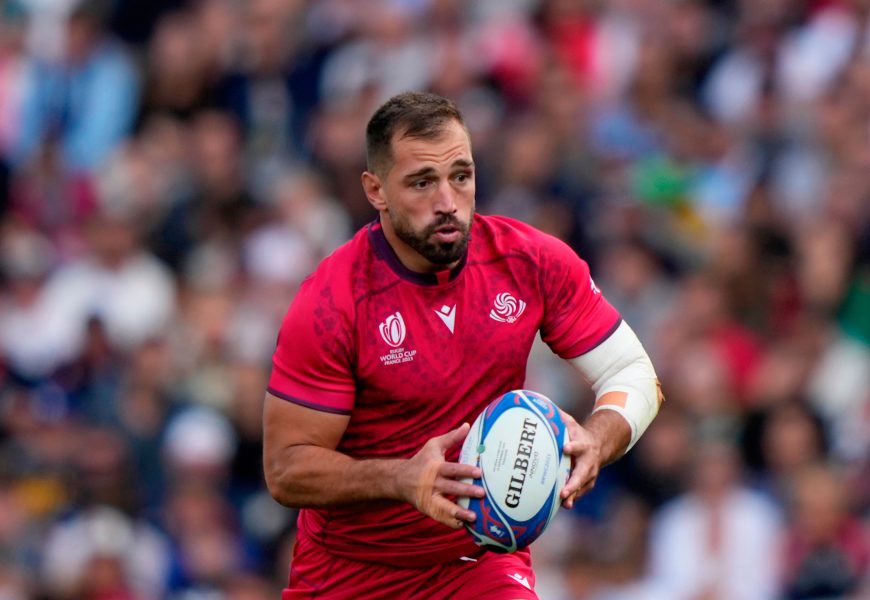

DUBLIN (AP) - Six players from Georgia's rugby team have been handed long bans - including one for 11 years - for their involvement in a urine-swapping scheme to cheat anti-doping tests in one of the sport's biggest corruption scandals.
The case was described by World Rugby on Tuesday as "the most extensive anti-doping investigation ever undertaken in rugby."
It's resulted in Georgia's entire anti-doping agency being replaced with new staff as the World Anti-Doping Agency checks if other sports were affected in the former Soviet nation.
Former captain Merab Sharikadze was given the 11-year ban, while Giorgi Chkoidze was banned for six years, and Lasha Khmaladze, Otar Lashkhi and Miriani Modebadze received three-year suspensions. Lasha Lomidze was banned for nine months.
Nutsa Shamatava, the national team's doctor, was banned for nine years for her role in the scandal, where she provided advance notice of upcoming out-of-competition doping controls to players in group chats.
Georgia had been a rugby success story. It has the top-ranked men's team in Europe outside of the Six Nations, and attracts big crowds to home games, bucking a trend of rugby struggling to put down roots outside its traditional heartlands.
World Rugby said it discovered irregularities in urine samples in the run-up to the men's Rugby World Cup in France in 2023 and alerted the World Anti-Doping Agency. Three of the six players were named in the World Cup squad. A fourth withdrew "on medical grounds" before the tournament, World Rugby said at the time.
Their joint investigation found the six players "engaged in swapping of urine samples to avoid the risk of testing positive for substances that they believed were prohibited, the former men's first team doctor provided advance notice of testing and other members of staff arguably were or ought to be have been aware that such advance notice was provided," read a summary in the independent report of the case.
World Rugby said the investigation revealed no evidence that the urine samples were substituted to conceal the use of performance-enhancing substances.
Instead, the governing body said there was "credible evidence" to support assertions by the six players that they concealed cannabis and a painkiller, tramadol.
The Georgia Rugby Union accepted a misconduct charge, World Rugby added, and agreed to an undisclosed financial penalty and to implement "a roadmap of various reforms and measures in its anti-doping training and education to mitigate the risk of any future issues of this nature arising."
WADA said the Georgia government has "withdrawn its recognition" of the national anti-doping agency after its employees were accused of helping to provide advance notice of tests. A new body is being set up with "entirely different personnel," WADA added.
Other sports could come under scrutiny, too.
"We are now in the next phase of this investigation as we assess whether the issues in Georgian rugby go beyond that of one sport," said Günter Younger, WADA's director of intelligence and investigations.
More Top Stories