°C
°C
 4
Min
4
Min
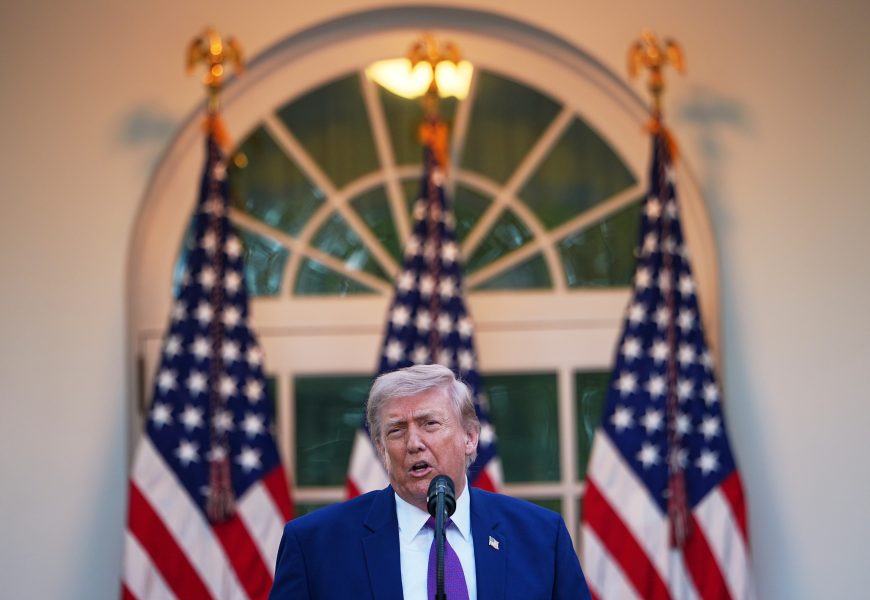
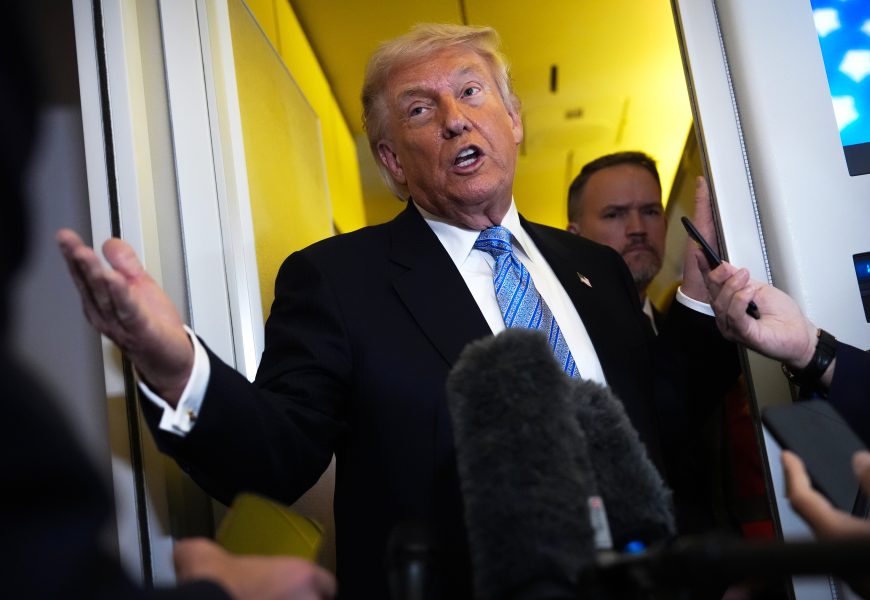
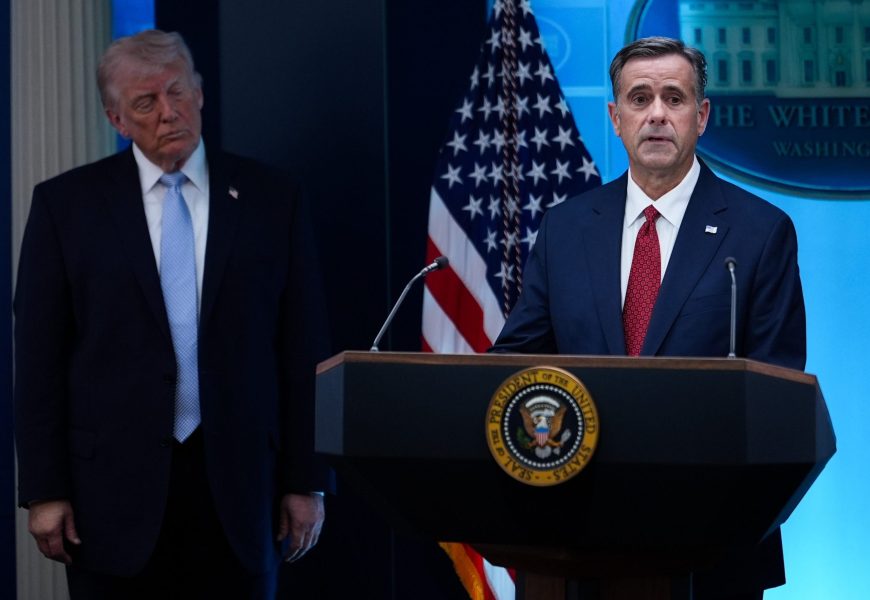
World shares mostly retreated and oil prices jumped Monday after U.S. President Donald Trump warned Tehran that the “clock is ticking” as U.S.-Iran negotiations over a permanent end to the war stall. U.S. futures fell and markets in Japan and South Korea pulled back from their records.
The Latest: World shares and oil prices react to Trump’s warning to Tehran over stalled negotiations


World shares mostly retreated and oil prices jumped Monday after U.S. President Donald Trump warned Tehran that the "clock is ticking" as U.S.-Iran negotiations over a permanent end to the war stall. U.S. futures fell and markets in Japan and South Korea pulled back from their records.
Also, a drone strike sparked a fire on the edge of the United Arab Emirates' sole nuclear power plant Sunday in what authorities called an "unprovoked terrorist attack." No one was blamed, but it highlighted the risk of renewed war as the United States and Iran signaled they were ready to fight again.
Here's the latest:
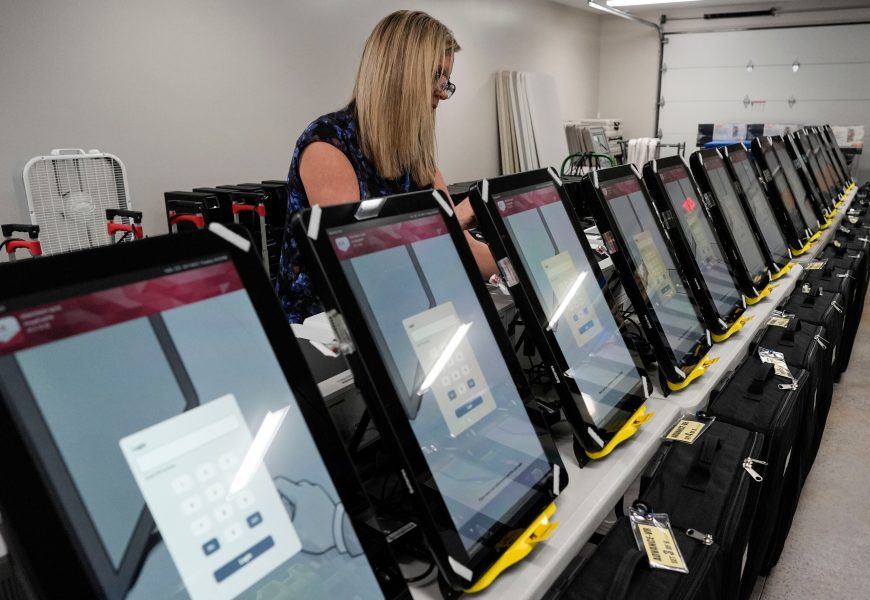
An effort to reshape South Carolina's congressional districts will get its first full airing Monday in the state House, as lawmakers launch a lengthy and potentially testy discussion on whether to accede to Trump's desires for a U.S. House map that could yield a clean sweep for Republicans.
Tense debates already have played out in Tennessee, Alabama and Louisiana as Republicans push aggressively to leverage a recent U.S. Supreme Court ruling that weakened Voting Rights Act protections for minority districts. The ruling has opened the way for Republicans to redraw districts with large Black populations that have elected Democrats.
In South Carolina, that means targeting a seat long held by U.S. Rep. Jim Clyburn, the only Democrat among the state's seven representatives in the House.
Early voting is scheduled to begin May 26 for South Carolina's statewide primaries on June 9. In addition to redrawing congressional districts, legislation pending in the state House would move the U.S. House primaries to August. If it clears the House, the legislation then must go to the Senate.
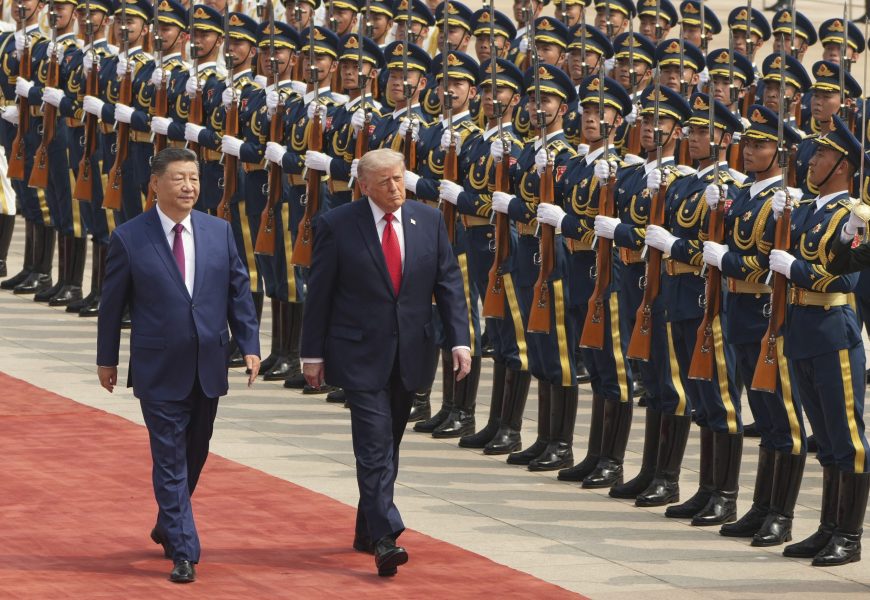
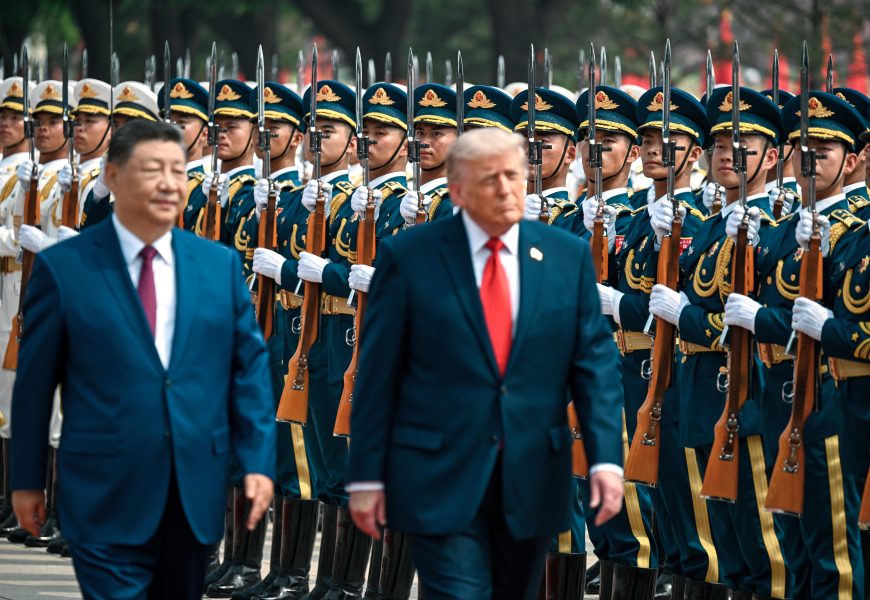
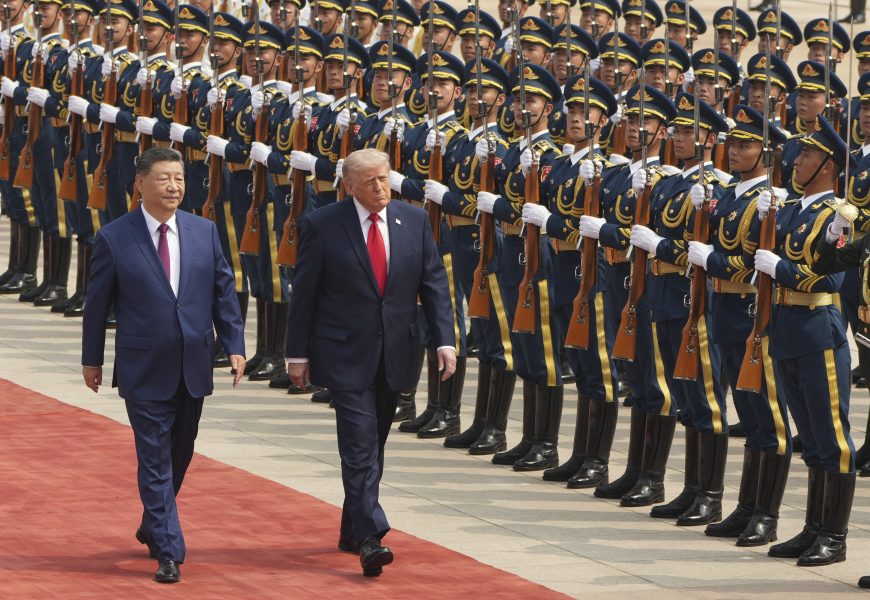
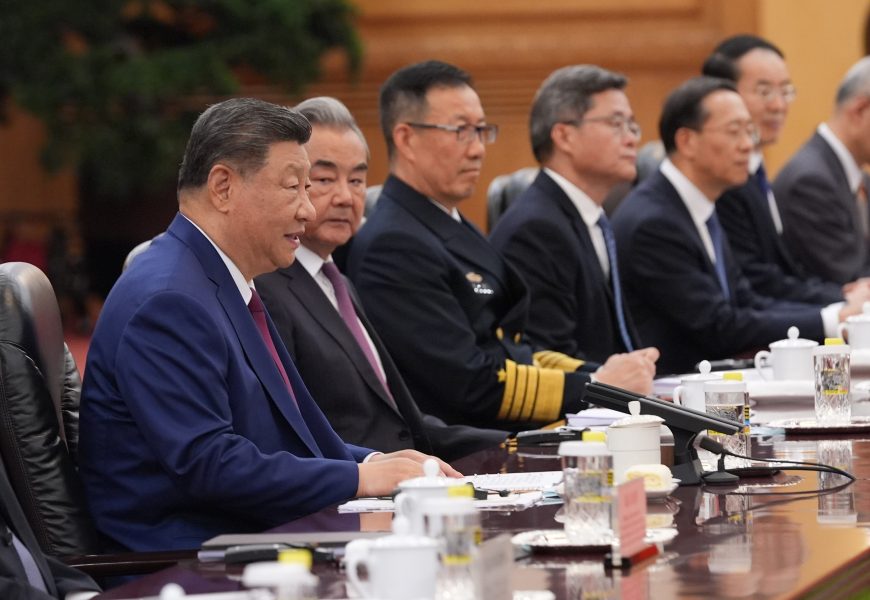
China has agreed to ramp up trade for U.S. agricultural products such as beef and poultry, buying at an annualized rate of $17 billion per year for 2026 and at that level for 2027 and 2028, the White House announced Sunday.
China would restore market access for U.S. beef and resume imports of poultry from U.S. states determined by the U.S. Department of Agriculture to be free of the bird flu, the White House said. The deals are on top of China's soybean purchase commitments last year.
The agreements offer some hope to American farmers harmed by the trade war as they saw a major export market for soybeans and other products dry up. Farmers also are feeling new pressure from Trump administration policies - the war that the U.S. and Israel launched against Iran has curtailed shipping through the Strait of Hormuz, a vital trade corridor that has restricted global fertilizer supplies and sent those prices soaring.
A drone strike sparked a fire on the edge of the United Arab Emirates' sole nuclear power plant on Sunday in what authorities called an "unprovoked terrorist attack." No one was blamed, but it highlighted the risk of renewed war as the United States and Iran signaled they were ready to fight again.
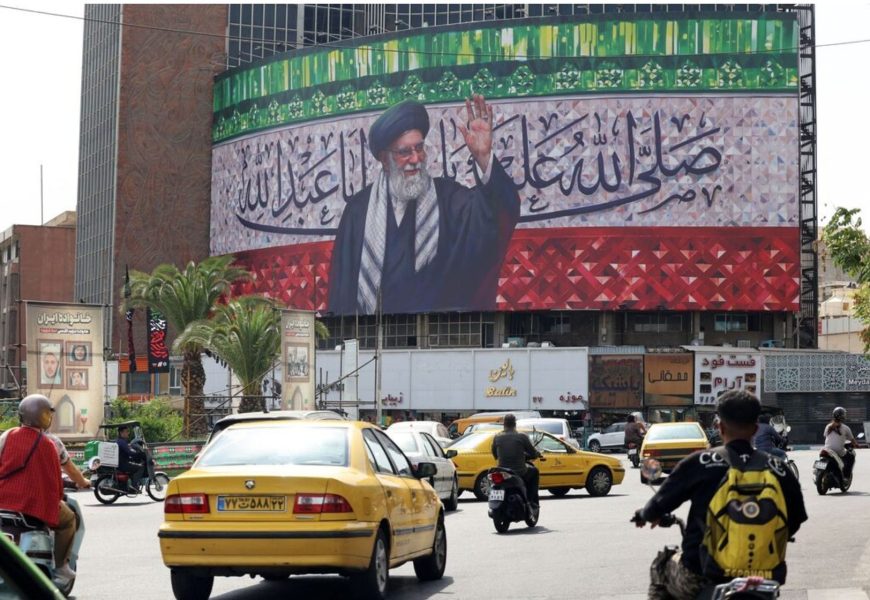
There were no reported injuries or radiological release. The UAE, which has hosted air defenses and personnel from Israel, recently accused Iran of launching drone and missile attacks. Tensions have risen over the Strait of Hormuz, a vital energy waterway gripped by Iran, which is under a U.S. naval blockade.
The ceasefire remains tenuous, with diplomatic efforts for a more durable peace having faltered. And fighting has heated up between Israel and the Iran-backed Hezbollah militant group in Lebanon despite a nominal ceasefire there.
World shares mostly retreated and oil prices jumped on Monday after Trump warned Tehran that the "clock is ticking" as U.S.-Iran negotiations over a permanent end to the war stall.
U.S. futures fell and markets in Japan and South Korea pulled back from their records. In early European trading, Britain's FTSE 100 edged up 0.1% to 10,205.31. France's CAC 40 lost 0.9% to 7,883.42, and Germany's DAX dropped 0.1% to 23,925.82.
During Asian trading, Tokyo's Nikkei 225 fell 1% to 60,815.95, a decline led by technology-related stocks. It reached all-time intraday high levels last week above 63,000.
The yield on the 10-year Japanese government bond surged to as high as 2.8%, its highest level since the late 1990s. That's part of a broader shift toward higher yields as the Bank of Japan gradually raises interest rates and higher energy costs raise expectations of rising inflation. The yield was around 2.55% just one week ago.
Related Stories