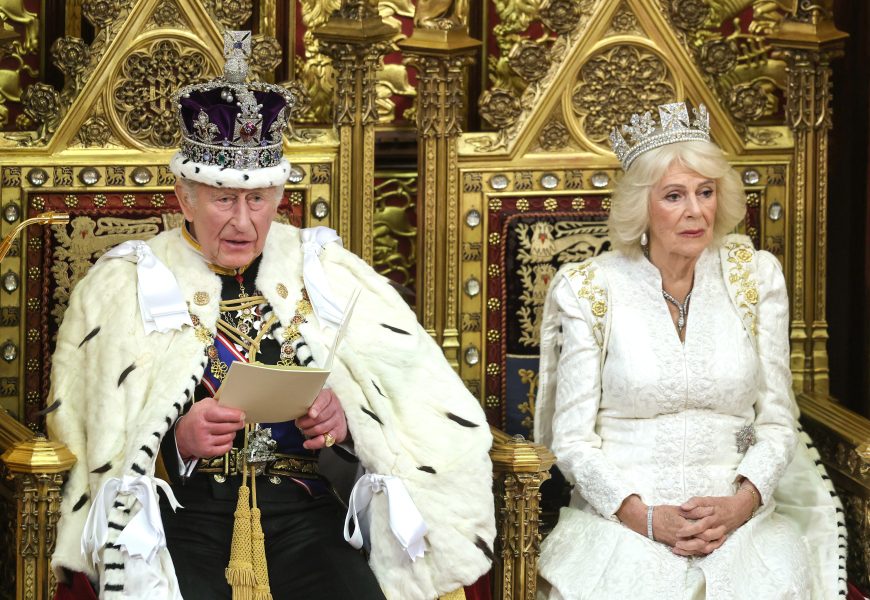
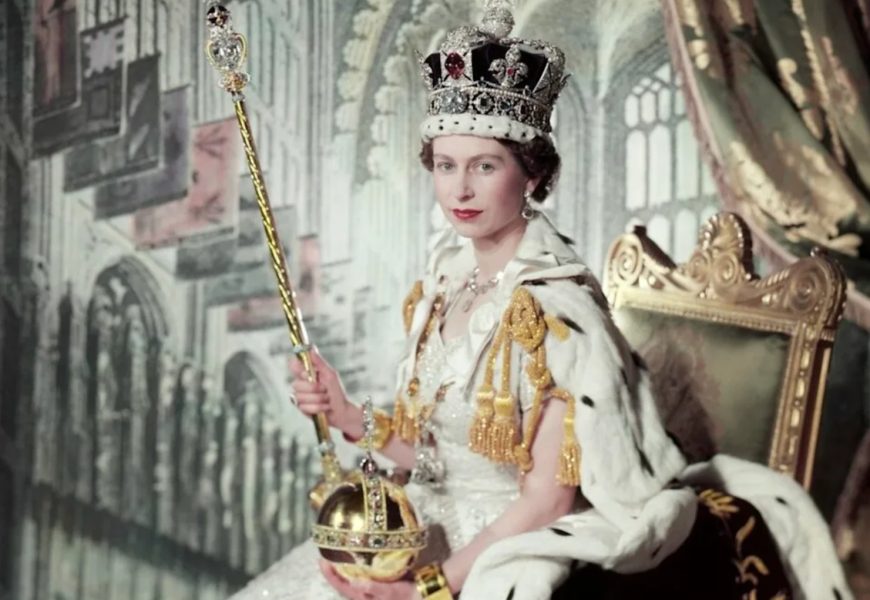
The monarch, who made the short journey from Buckingham Palace to the Houses of Parliament in a horse-drawn carriage, also said the government will "defend the British values of decency, tolerance and respect for difference under our common flag," and said that urgent action would be taken to tackle antisemitism.
The real question is whether Starmer will be around to implement the measures in the speech and, even if he remains in office, whether he will have the authority to push his proposals through.
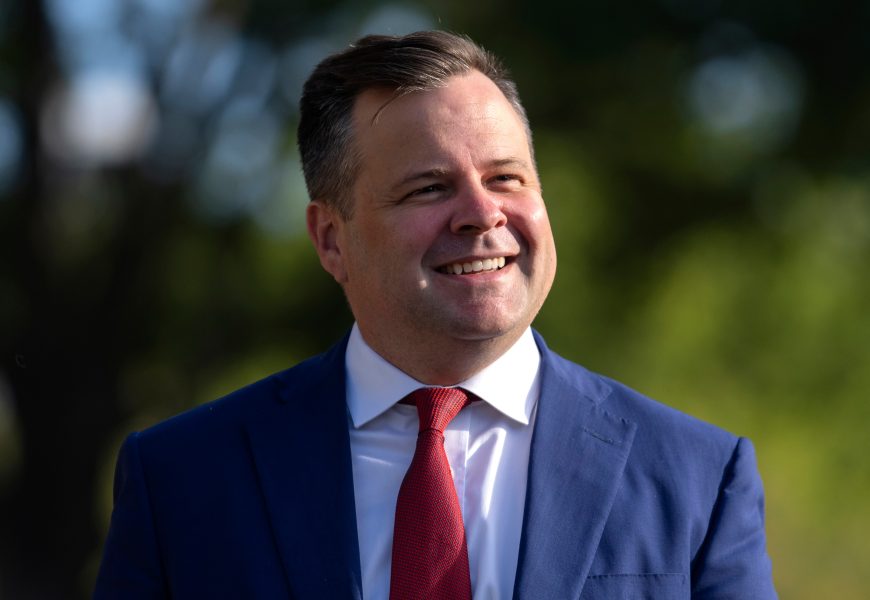
In his speech advocating his policy agenda, Starmer gave no indication that he wouldn't be around to push the planned bills through.
"This King's Speech sets a different course, a more hopeful course, a course that sees the conflict in Iran, a war on two fronts, not as something to wring our hands about, but as an opportunity we must take to shape our country's future, to end the status quo that has failed working people, to build a stronger, fairer Britain," he said.
The King's Speech merges the historic power and grandeur of Britain with the reality of the modern United Kingdom, a midsized country with an underfunded military, rising debt and waning international influence.


 °C
°C
 5
Min
5
Min