°C
°C
 2
Min
2
Min
Queensland's elective surgery waitlist has dropped to its lowest level in more than two years, as the Crisafulli Government points to improving access to healthcare services across the state. New figures released for March show the elective surgery waitlist has fallen to 59,393 patients - the lowest since November 2023 and almost 10 per cent lower than the same period last year.
Queensland Elective Surgery Waitlist Falls to Lowest Level in Two Years
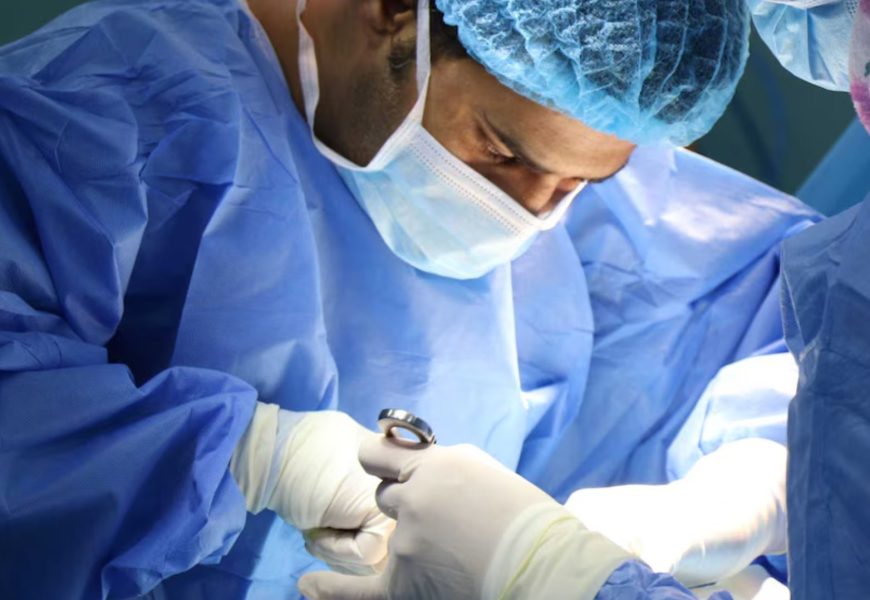
Queensland's elective surgery waitlist has dropped to its lowest level in more than two years, as the Crisafulli Government points to improving access to healthcare services across the state.
New figures released for March show the elective surgery waitlist has fallen to 59,393 patients - the lowest since November 2023 and almost 10 per cent lower than the same period last year.
The data also shows ambulance ramping rates continuing to improve, with the statewide ramping rate sitting at 38 per cent during the March quarter, down from 40.7 per cent a year earlier.
According to the Government, the waitlist reduction means around 7,200 fewer Queenslanders are waiting for surgery compared to the 2024 peak of 66,632 patients.
The Queensland Government credited its $1.8 billion investment in elective surgery services over four years, including the Surgery Connect program, which has delivered more than 33,500 procedures since February 2025.
Several hospitals across Queensland recorded significant reductions in elective surgery waitlists over the past 12 months, including Maryborough Hospital, Hervey Bay Hospital, Bundaberg Base Hospital, Gold Coast University Hospital, Redcliffe Hospital, Logan Hospital and the Queensland Children's Hospital.
The Government said the improvements were being seen across both metropolitan and regional Queensland, helping more patients access surgery closer to home and reducing lengthy delays for treatment.
Ambulance ramping rates also showed improvement at major hospitals, with both The Prince Charles Hospital and the Royal Brisbane and Women's Hospital recording their lowest March quarter ramping levels in more than five years.
The Government said ongoing investments through its Hospital Rescue Plan were aimed at improving patient flow and easing pressure on emergency departments through additional beds, hospital expansions and new transit lounges.
Health and Ambulance Services Minister Tim Nicholls said the latest results showed progress was being made in reducing pressure across the health system.
"We are seeing fewer Queenslanders waiting for life-changing surgery and encouraging improvements in ambulance ramping across the state," Mr Nicholls said.
He said investments in high-demand specialties such as ophthalmology, ENT, urology and orthopaedics were helping deliver faster care for patients.
Mr Nicholls acknowledged there was still more work to do but said the Government remained focused on expanding services and improving healthcare access across Queensland.
More Top Stories