°C
°C
 2
Min
2
Min
Tasmania's renewable energy future has taken another major step forward, with TasNetworks achieving financial close for the North West Transmission Developments (NWTD). The milestone secures funding for the project and provides greater certainty as preparations continue for construction to begin later in 2026, pending final regulatory approvals and processes.
Tasmania Powers Ahead on Next-Generation Energy Infrastructure
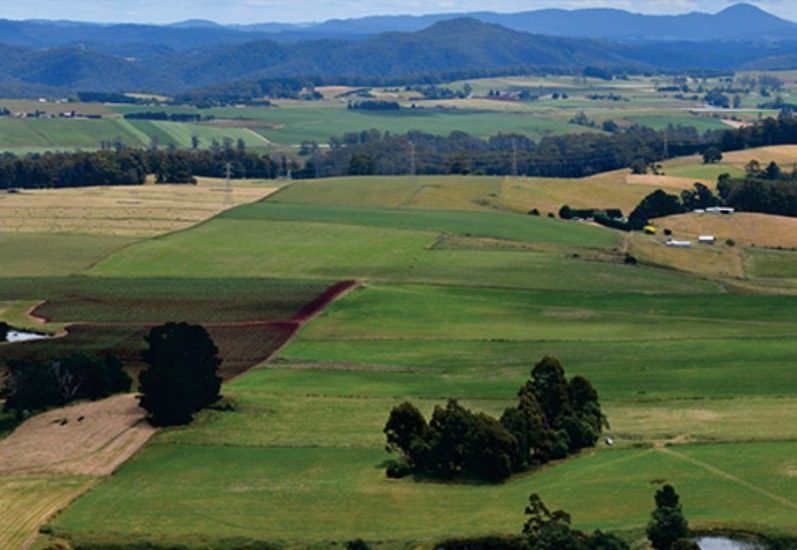
Tasmania's renewable energy future has taken another major step forward, with TasNetworks achieving financial close for the North West Transmission Developments (NWTD).
The milestone secures funding for the project and provides greater certainty as preparations continue for construction to begin later in 2026, pending final regulatory approvals and processes.
The NWTD forms a critical component of Project Marinus, alongside Marinus Link, which aims to strengthen Tasmania's energy network and support the State's transition to a cleaner energy future.
Minister for Energy and Renewables, Nick Duigan, said the projects were essential to delivering the infrastructure Tasmania needs for future growth and energy security.
"Our Government is getting on with the job of delivering the infrastructure Tasmania needs now and into the future," Minister Duigan said.
He said continued investment in renewable energy infrastructure was especially important during periods of global economic uncertainty.
"The financial close milestone is a significant achievement and brings us closer to unlocking the full benefits of Project Marinus," he said.
According to the Government, Project Marinus is expected to help deliver lower electricity prices than would otherwise be possible, while creating more than 2,000 jobs across Tasmania and injecting an estimated $470 million into the State economy.
Minister Duigan said the project would also provide long-term, intergenerational energy infrastructure while supporting regional communities and economic development.
He added that concessional funding arrangements had been secured to protect Tasmanian households from additional energy costs, while shielding major industrial customers from project-related expenses in an effort to safeguard local jobs and industry.
"This milestone sends a clear signal that Tasmania is continuing to invest in its energy future, supporting jobs, regional communities and long-term economic growth," he said.
More Top Stories