°C
°C
 5
Min
5
Min
NEW YORK (AP) – After years of #MeToo infamy, legal peril and prison, Harvey Weinstein is again going on trial on a rape charge in New York City.
Harvey Weinstein is going on trial again in a New York rape case
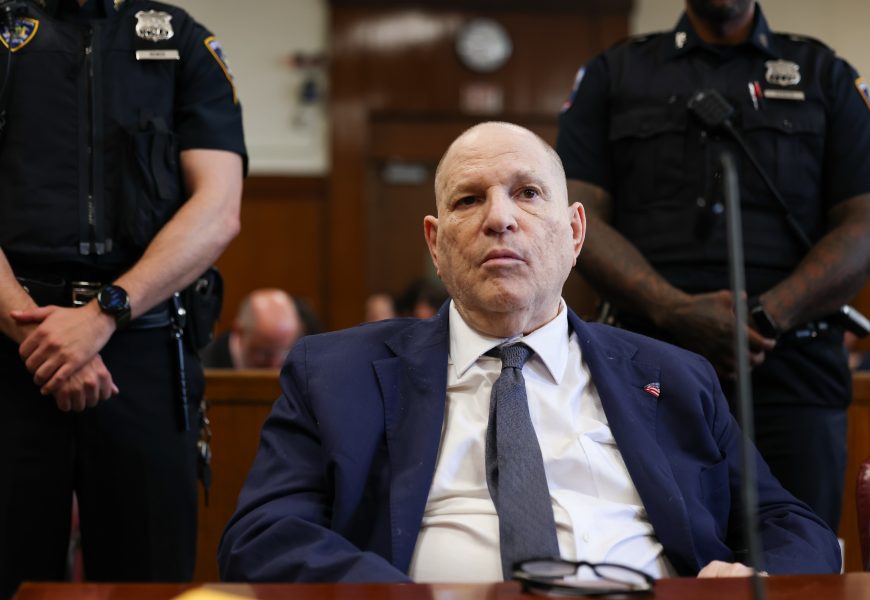

NEW YORK (AP) - After years of #MeToo infamy, legal peril and prison, Harvey Weinstein is again going on trial on a rape charge in New York City.
Jury selection was set to start Tuesday in the onetime movie mogul's latest retrial, where jurors will weigh - for the third time - whether he raped hairstylist and actor Jessica Mann in a Manhattan hotel in 2013.
This time, jurors will consider only one charge based on one accuser, rather than the array of allegations that were aired at Weinstein's previous trials in New York and Los Angeles. The Oscar-winning producer denies all the accusations and declared in court this winter that he had "acted wrongly, but I never assaulted anyone."
Prosecutors might also seek to introduce new evidence. After Weinstein arrived in court Tuesday, but before jury selection began, Manhattan Assistant District Attorney Candace White told the judge that prosecutors might seek to include testimony from a court security officer about something Weinstein allegedly said six years ago.
According to White, the officer said he was on hand for Weinstein's February 2020 sexual assault conviction - which was later overturned - and heard Weinstein say: "If you had seen these girls, you would have done the exact same thing."
Weinstein's lawyers urged Judge Curtis Farber to keep any mention of the supposed remark out of his upcoming retrial.
"It's just too late" to introduce such a thing, defense attorney Marc Agnifilo said. The judge hasn't yet ruled.
The judge has revisited some rulings about exactly what evidence gets presented about Weinstein's and Mann's years of interactions. For example, the judge indicated Tuesday he may curb discussion of an erectile-dysfunction drug that Mann said Weinstein used.
There also may not be any mention of a claims fund that was set up for women who said Weinstein sexually mistreated them, partly because the defense team doesn't intend to raise the subject, Farber said.
And Weinstein's recent change in attorneys could shift the trial's tenor and tactics.
Agnifilo and his partners took on the case in February, when longtime Weinstein lawyer Arthur Aidala stepped aside from the retrial to focus on the former studio boss' appeals and civil matters. Both Aidala and Agnifilo are well-known New York defense attorneys, but their litigation styles differ. Aidala is folksy, while Agnifilo is more buttoned-up.
Weinstein wielded significant clout in the entertainment industry, having built his reputation on such critical and popular hits as "Shakespeare in Love," "Pulp Fiction" and "Chocolat." He also became a prominent Democratic donor.
Then a series of sexual harassment and sex assault allegations against Weinstein began to emerge in news media in 2017, propelling the #MeToo movement.
He was criminally charged in New York in 2018 and in Los Angeles two years later.
Weinstein went to trial and was convicted of some - but not all - counts in both cases. His initial New York convictions were overturned, spurring a retrial last year.
The retrial verdict was mixed: Weinstein was convicted of forcing oral sex on production assistant and producer Miriam Haley in 2006, but he was acquitted of forcibly performing oral sex that same year on model-turned-psychotherapist Kaja Sokola. The jury didn't decide on the rape charge involving Mann because the foreperson refused to keep deliberating.
Weinstein subsequently considered pleading guilty, according to Aidala. Evidently, Weinstein ultimately rejected the idea.
Mann has testified that she had a consensual, on-and-off relationship with the then-married Weinstein. But when he cornered her in a Manhattan hotel room where she was staying on a weekend getaway, she protested, "I don't want to do this," she told jurors. She said he kept making advances and demands until she "just gave up."
Weinstein hasn't testified at any of his trials, but his lawyers have contended that he never had non-consensual sex.
The defense claimed that Mann and his other accusers willingly entertained his sexual overtures because they wanted his help with their show-business aspirations. The women, by contrast, said Weinstein dangled his Hollywood influence to draw them into his orbit and then victimize them.
His sexual assault conviction involving Haley carries the potential for up to 25 years in prison; no sentencing date has been set.
In this case, the rape charge is a lower-level felony punishable by up to four years behind bars. Weinstein, 73, already has served longer than that.
Weinstein has various health problems and uses a wheelchair. He told the judge in January that he's haunted by the possibility that he might die in New York's notorious Rikers Island jail.
"My mental state is collapsing. ... My spirit is breaking," he said.
Weinstein's lawyers have argued that his New York conviction last year was poisoned by bad blood among jurors. Meanwhile, he's appealing the Los Angeles verdict.
The Associated Press generally does not identify people without their permission if they say they have been sexually assaulted. Haley, Mann and Sokola agreed to be named.
More Top Stories