°C
°C
 4
Min
4
Min
A damaged chemical tank in Southern California cracked over the weekend but the interior temperature rose as authorities worked to reduce the risks of a powerful explosion that has led to the evacuation of some 50,000 residents.
Southern California officials trying to prevent explosion or leak from damaged chemical tank
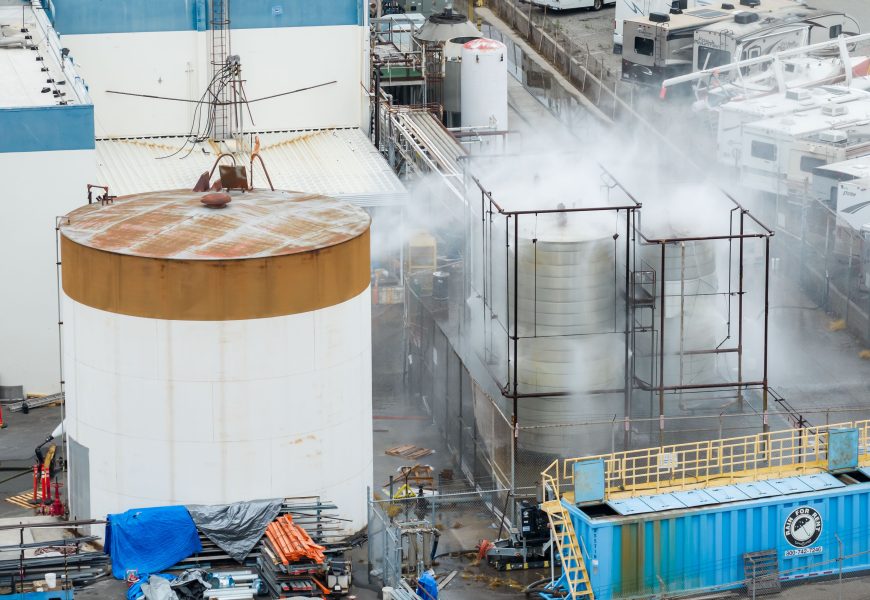

A damaged chemical tank in Southern California cracked over the weekend but the interior temperature rose as authorities worked to reduce the risks of a powerful explosion that has led to the evacuation of some 50,000 residents.
The tank overheated Thursday and began venting vapors, leaving local and state officials scrambling to evade a worst possible scenario at a company site in Garden Grove, a city of roughly 170,000 about 40 miles (60 kilometers) south of downtown Los Angeles. No injuries have been reported.
Firefighters have repeatedly sprayed the tank with water in an attempt to cool the chemicals. The tank's interior reached 100 degrees (37.7 Celsius) Sunday, an increase of 10 degrees Fahrenheit (5.5 Celsius) since Saturday, according to Democratic state Sen. Tom Umberg.
Fire officials over the weekend discovered the tank had cracked, lowering the potential for a devastating blast, and it did not appear any of the highly volatile chemicals had leaked, Orange County Fire Authority Capt. Wayhowe Huang said.
"There's still the danger of a possible explosion," he said.
Gov. Gavin Newsom declared a state of emergency Saturday and said he asked President Donald Trump to issue an emergency declaration to bolster federal support for local and state officials.
The tank at GKN Aerospace Transparency Systems, which makes parts for commercial and military aircraft, holds 6,000 to 7,000 gallons (22,700 to 26,500 liters) of methyl methacrylate used to make plastic parts.
Monitoring tests found air pollution around the evacuation zone was within normal limits and specialized equipment is being used to ensure gas is not released, state and federal environmental officials said Saturday.
The first goal of firefighters is to cool off the chemical inside the tank to prevent a leak or explosion.
Drones were monitoring temperatures at 10-minute intervals to watch for any spikes. Containment barriers have been set up to prevent the chemical from getting into storm drains or reaching creeks or the nearby ocean in the event of a spill, Orange County Fire Authority division chief Craig Covey said on social media.
As the interior temperature rises, methyl methacrylate converts from a liquid to a gas and increases the pressure, according to Purdue University engineering professor Andrew Whelton, who said the crack could mean product or pressure is being released, reducing the chance of explosion.
"Think of a soda can. If you leave it in a hot car it can explode," Whelton said. "But if you put a hole in the can, the product is released and the can itself doesn't explode."
Firefighters are unlikely to consider making a hole in the tank, fearing a spark that might ignite the volatile and flammable gas. An explosion that could spread the chemical over a broad area and send shrapnel flying would be the worst-case scenario, he said.
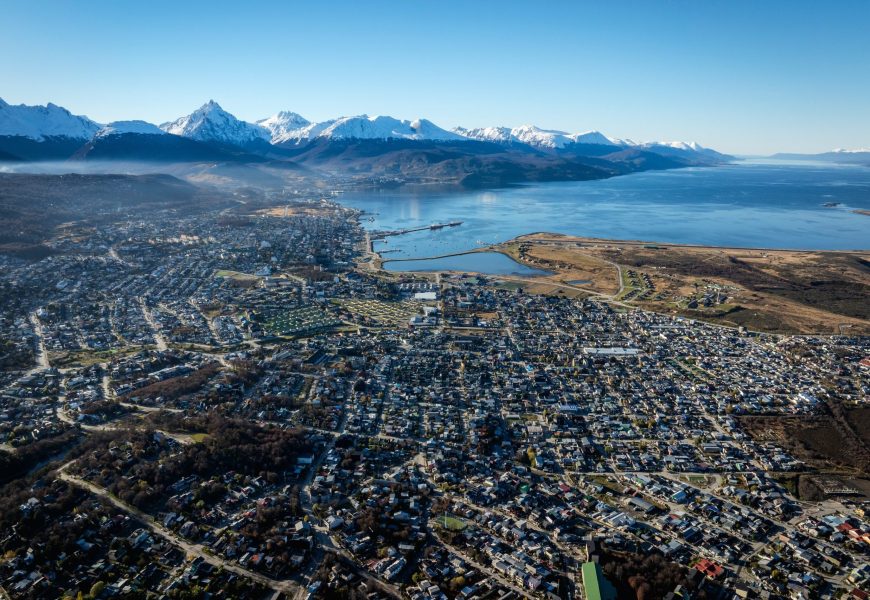
Aerial photos taken by The Associated Press showed streets in the area were empty Sunday, while several evacuation shelters were open. At a high school in neighboring La Palma, people slept in cars or on mats and sleeping bags on the asphalt.
Garden Grove is next to Anaheim, home to Disneyland's two theme parks, which were not under evacuation orders. Park officials said they were monitoring the situation.
Exposure to methyl methacrylate can cause serious respiratory problems, neurological problems and irritation to the skin, eyes and throat, according to fact sheets about the chemical.
Whelton said if an explosion occurs, it will be crucial to conduct detailed air monitoring specifically for methyl methacrylate and not just generic tests for volatile organic compounds as officials did after a 2023 train derailment in East Palestine, Ohio, which released more than 115,000 gallons (435,000 liters) of vinyl chloride after officials blew open five tank cars and burned the chemical.
Orange County health officials said the chemical is easy to smell and people may notice it over a large area without being harmed.
Some Garden Grove residents filed a class-action federal lawsuit Saturday against GKN Aerospace Transparency Systems, which operates the facility where the tank is located. Lawyers for the residents argued that regardless of what happens, property values in the surrounding community are sure to be impacted.
GKN Aerospace did not comment on the lawsuit but has apologized to residents and businesses forced to evacuate. It said Sunday it was "working around the clock to mitigate the risk of a leak."
GKN Aerospace agreed in 2025 to pay state regulators more than $900,000 to settle violations involving recordkeeping, permitting issues and nitrogen oxide emissions, according to a report on the South Coast Air Quality Management District website.
More Top Stories