°C
°C
 5
Min
5
Min
TEL AVIV, Israel (AP) – U.S. Secretary of State Marco Rubio said Friday that “slight progress” was made during talks with Iran as Pakistan’s army chief traveled to Tehran in a renewed effort to mediate a peace deal and uncertainty loomed over whether war will resume.
Rubio reports ‘slight progress’ in Iran talks as Pakistan army chief renews mediation efforts
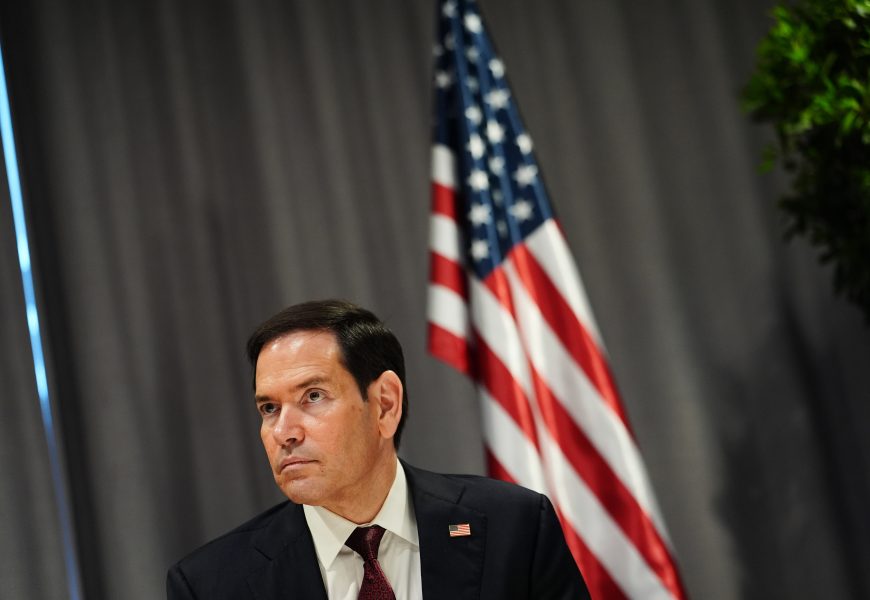

TEL AVIV, Israel (AP) - U.S. Secretary of State Marco Rubio said Friday that "slight progress" was made during talks with Iran as Pakistan's army chief traveled to Tehran in a renewed effort to mediate a peace deal and uncertainty loomed over whether war will resume.
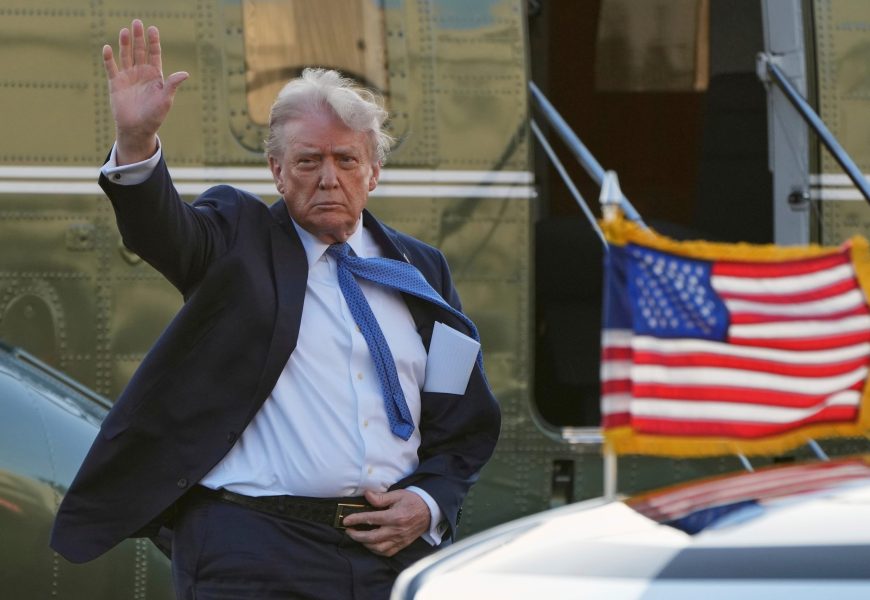
Rubio spoke days after U.S. President Donald Trump said he was holding off on a military strike against the Islamic Republic because "serious negotiations" were underway. Trump has been threatening for weeks that the ceasefire reached in mid-April could end if Iran does not make a deal, with shifting parameters for striking such an agreement.
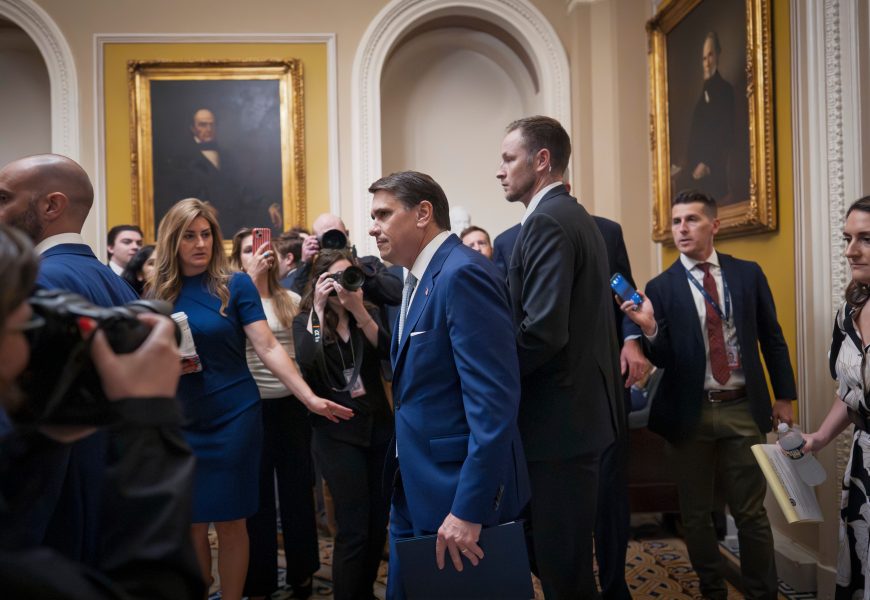
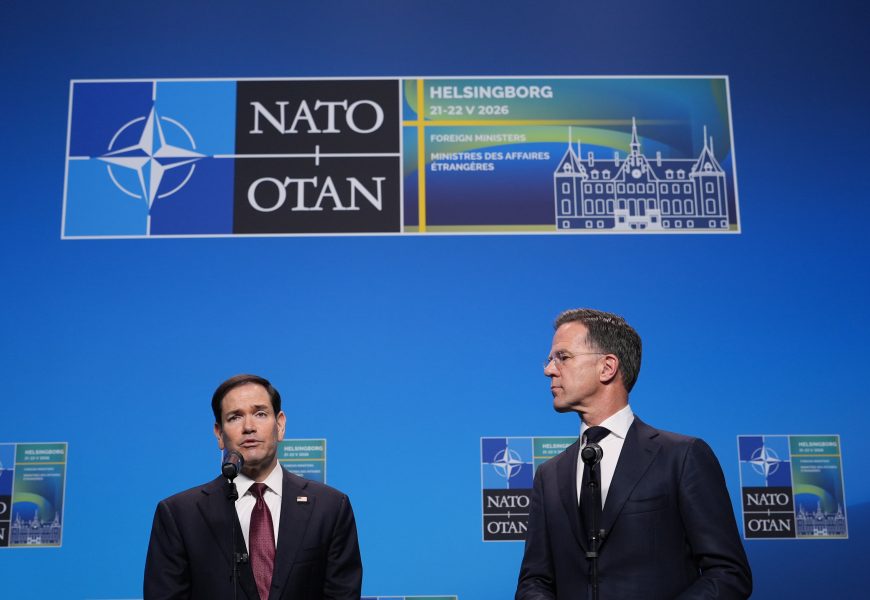
The secretary of state made the comment ahead of a meeting of NATO foreign ministers in Helsingborg, Sweden, where the military alliance discussed what role it could play in helping police the Strait of Hormuz once the war is over.
Rubio said he did not want to exaggerate the progress, saying there had been "a little bit of movement and that's good." He said the conversations were ongoing. In recent weeks there have been repeated claims of progress, but a deal has stayed out of reach.
Trump has repeatedly set deadlines for Tehran and then backed off. But he's also previously indicated he would hold off on military action to allow talks to continue, only to turn around and launch strikes. That happened at the war's outset, when he ordered strikes in late February shortly after indicating he would let talks play out.
The president said he called off attacks on Iran this week at the request of allies in the Middle East, including the leaders of Qatar, Saudi Arabia and the United Arab Emirates.
In a renewed push for a peace agreement, Pakistan's top army officer arrived Friday in Tehran for talks with Iranian leaders, Pakistani officials and the military confirmed. It's the third round of meetings between Pakistani and Iranian officials in recent days.
Field Marshal Asim Munir will be joined by Pakistan's interior minister, who has already met with Iranian leaders in Tehran twice this week. Pakistan has sought a deal between Iran and the U.S. since Munir facilitated face-to-face talks between the two countries in Islamabad last month.
Still, major sticking points remain.
Iran has effectively closed the Strait of Hormuz, a vital waterway for the shipment of oil, gas, fertilizer and other petroleum products. The U.S. is blockading Iranian ports and has redirected 94 commercial vessels and disabled four others from mid-April through Thursday, U.S. Central Command said in a social media post.
At the NATO meeting in Sweden, Rubio said he discussed reopening the strait with other foreign ministers. He said there needs to be a "plan B" if Washington and Tehran fail to reach a deal.
"Someone's going to have to do something about it, OK?" Rubio said, insisting that Iran was not going to "voluntarily reopen" the strait.
The U.S. and Israel have said Iran can never have a nuclear weapon. While regional officials have said Iran offered some nuclear concessions, Trump has said he wants to remove highly enriched uranium from the country and prevent it from developing nuclear weapons. Iran says its nuclear program is for peaceful purposes.
Trump's decision to give more peace talks a chance sparked tension with Israeli Prime Minister Benjamin Netanyahu.
An official who spoke on the condition of anonymity because they were not authorized to speak to the media said Thursday that Trump and Netanyahu had a "dramatic" phone conversation Tuesday about the status of the Iranian negotiations and that Israel is angry with Trump's efforts to strike a deal with Iran.
The White House declined to comment on the substance or tenor of the call. Trump told reporters after the conversation that Netanyahu "will do whatever I want him to do."
The comments are some of the first public signs of daylight between the leaders since they launched the war.
Two regional officials and a Western diplomat told The Associated Press that Saudi Arabia and the UAE separately launched multiple attacks on Iran and Iranian-backed Shiite militias in Iraq during the war. An Israeli military officer with knowledge of the situation also confirmed that the UAE proactively struck Iran at least once.
All of them spoke on condition of anonymity due to the sensitivity of the information.
The regional officials said the strikes on Iran targeted military facilities, including missile and drone launchers.
One of the regional officials said strikes by Saudi Arabia targeted hideouts of Iraqi militias, mainly Kataib Hezbollah, after Riyadh assessed that most of the drone attacks on Saudi Arabia came from neighboring Iraq. He said Saudi Arabia has repeatedly briefed Baghdad about the Iraqi-originated attacks before deciding to strike.
The Western diplomat and one of the regional officials said the UAE had pushed for a collective military response from the Gulf Arab countries since the onset of the war.
Asked for comment, the UAE referred to a May 16 statement that "all measures undertaken by the UAE have been within the framework of defensive actions aimed at protecting its sovereignty, civilians, and vital infrastructure." Saudi Arabia did not immediately respond to a request for comment.
Iran has not publicly addressed being targeted by the UAE and Saudi Arabia.
More Top Stories