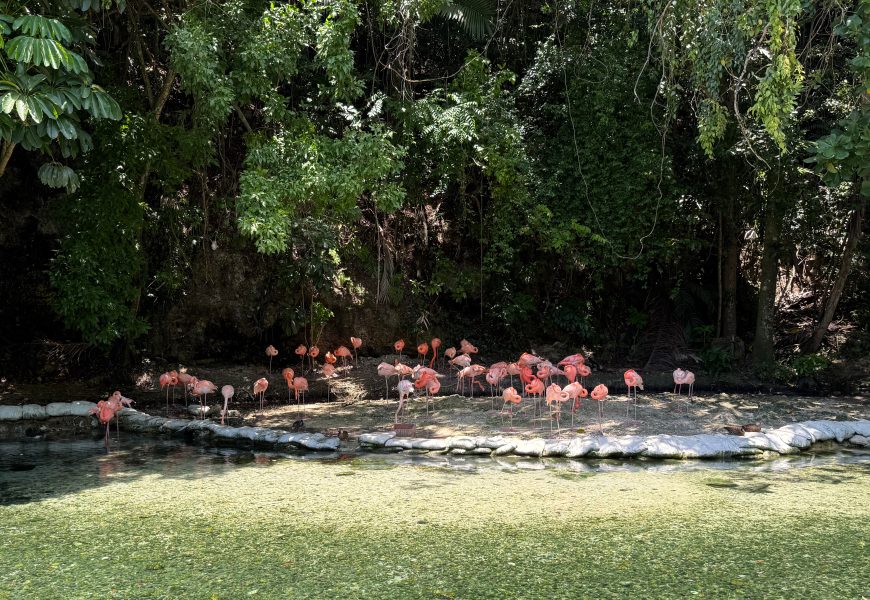
SANTO DOMINGO, Dominican Republic (AP) – The only zoo in the Dominican Republic is providing a safe haven for confiscated illegal and smuggled animals as a government crackdown aimed at protecting exotic species gathers pace.
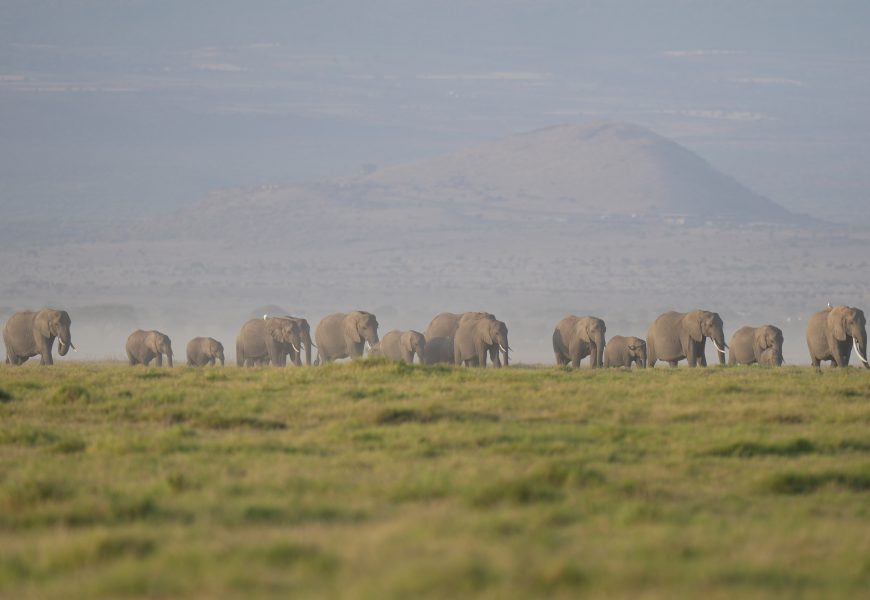
NAIROBI, Kenya (AP) – Fifteen elephants that died over the past month in southern Kenya are suspected to have been poisoned by tomatoes contaminated by cyanide, wildlife authorities told local media Wednesday.

HANOI, Vietnam (AP) – The number of survivors of a cargo ship that sank Saturday off a Chinese-occupied shoal in the South China Sea rose to 48 by Tuesday as search and rescue crews hunted for more people who went down with the vessel.

LONDON (AP) – Scientists have reacted with alarm to news that the British government will cut funding to the world-famous radio telescope at the Jodrell Bank Observatory, a UNESCO World Heritage Site in northwest England that has been helping explore the cosmos for almost 70 years.
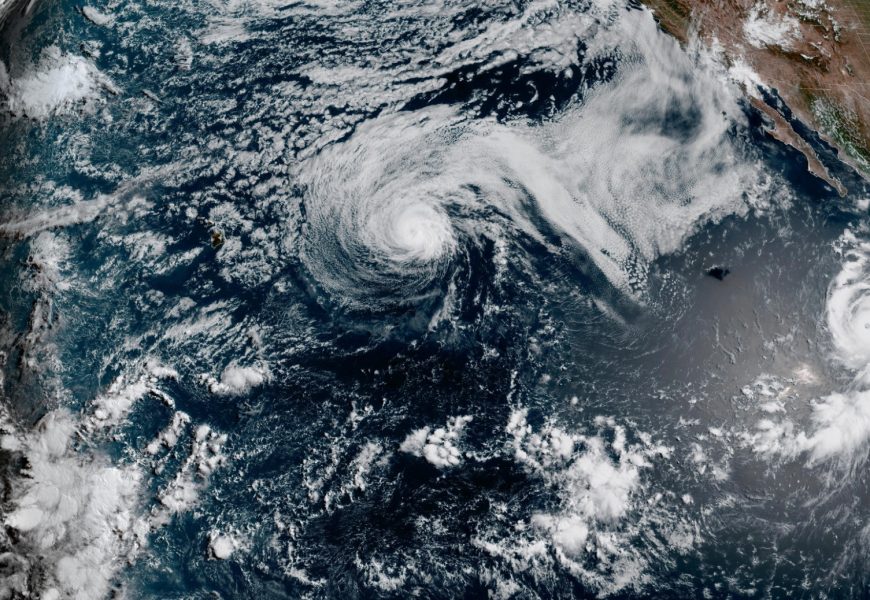
MIAMI (AP) – Rough surf was possible for Hawaii and Mexico on Tuesday thanks to two tropical cyclones in the Pacific Ocean that forecasters said were sending strong waves to some coastal areas.

BEIJING (AP) – Teams recovering bodies from a landslide this month in southwestern China have identified 30 more victims over the past week to bring the overall toll in Chongqing to 41 dead with 20 people still missing, authorities said Tuesday.

Over 100 killed in flash flooding from monsoon rains in Pakistan with more bad weather due
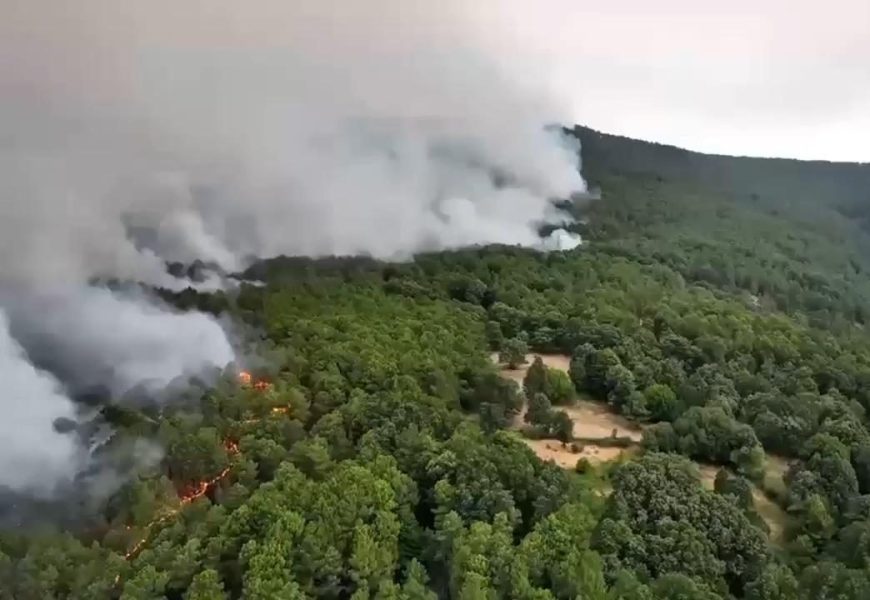
Spain’s Sanchez reports eight major active blazes


 °C
°C