°C
°C
 3
Min
3
Min
Brisbane's economy has tipped over the $200 billion mark and is on track to reach $275 billion by 2041, according to the 2025 State of the City Report. The report, released by the Brisbane Economic Development Agency (BEDA) and Deloitte Access Economics, found the city contributed $201 billion to the national economy in 2024, cementing its place as Australia's fastest-growing capital.
Brisbane Economy Surges Past $200 Billion as Population Booms
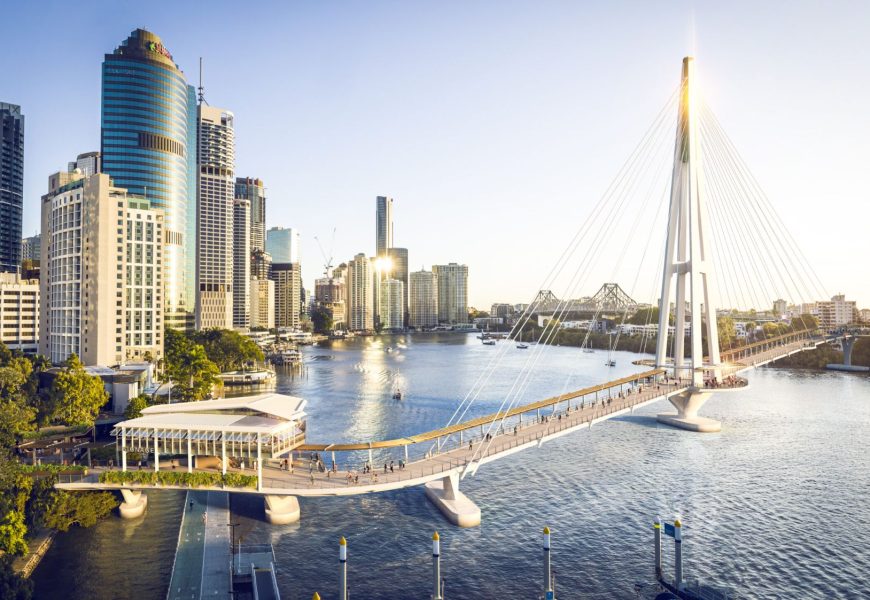
Brisbane's economy has tipped over the $200 billion mark and is on track to reach $275 billion by 2041, according to the 2025 State of the City Report.
The report, released by the Brisbane Economic Development Agency (BEDA) and Deloitte Access Economics, found the city contributed $201 billion to the national economy in 2024, cementing its place as Australia's fastest-growing capital. Since 2020, Brisbane has added $28 billion to its economy - a 16 per cent increase - while creating 274,000 new jobs. Total employment now sits above 1.5 million.
Population growth has been a key driver, with Brisbane outpacing every other major Australian city over the past decade. The city is expected to keep growing by 2.1 per cent annually, with south-east Queensland on track to reach six million residents by 2046.
Deloitte's analysis also forecast an additional $40 billion in economic growth for south-east Queensland, with the Brisbane 2032 Olympic and Paralympic Games alone expected to generate $70 billion in opportunities statewide.
The report highlighted Brisbane's strengths across multiple industries, including health - described as a "powerful growth engine" - and the city's cultural and sporting sector, which has expanded by 76 per cent over the past decade. Queensland also leads the nation in café and restaurant growth, fuelling a booming hospitality sector.
Brisbane was ranked highly for skills availability, giving businesses access to a broad talent pool in emerging fields such as AI, robotics, quantum computing and advanced manufacturing.
BEDA CEO Anthony Ryan said the city offers "fertile ground" for global industries. "From advanced technology to manufacturing, Brisbane is emerging as a leader in high-growth sectors," he said.
The report also pointed to Brisbane's competitive business environment, with office rents up to 50 per cent lower than Sydney, taxes 10 per cent below the national average, and development approvals processed 57 per cent faster than in Sydney or Melbourne.
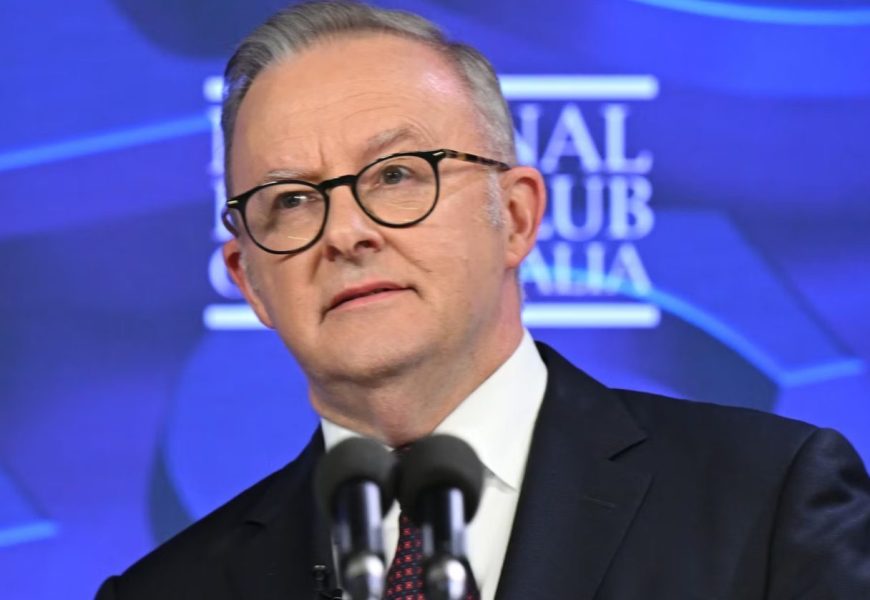
Lord Mayor Adrian Schrinner said the findings confirm what residents are already experiencing. "Brisbane is full of opportunity and has incredible momentum. The feeling is real - Brisbane is booming," he said.
Tourism is also surging, with domestic visitor numbers growing three times faster than any other capital and record international arrivals from Asia, Europe and North America. Migration remains strong, with more people moving to Brisbane than any other capital city every year since 2018.
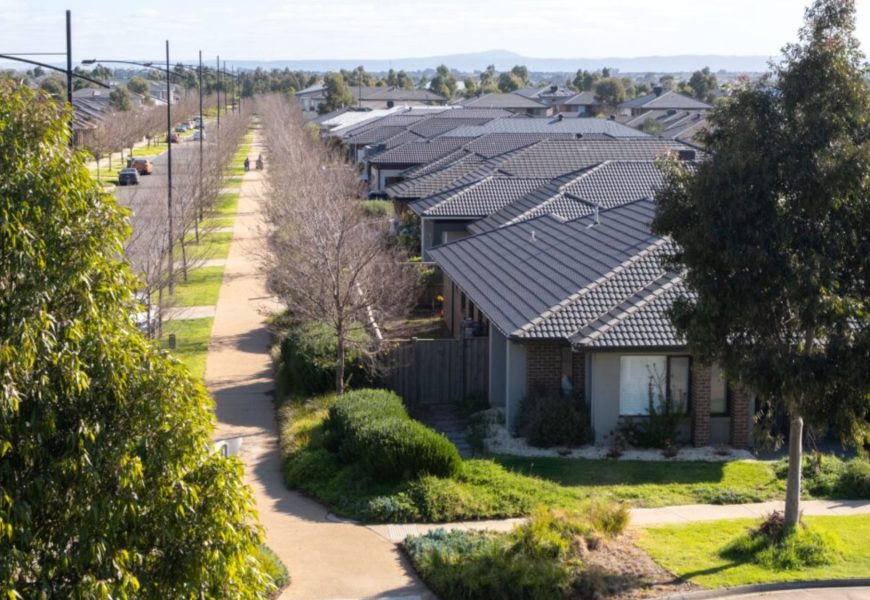
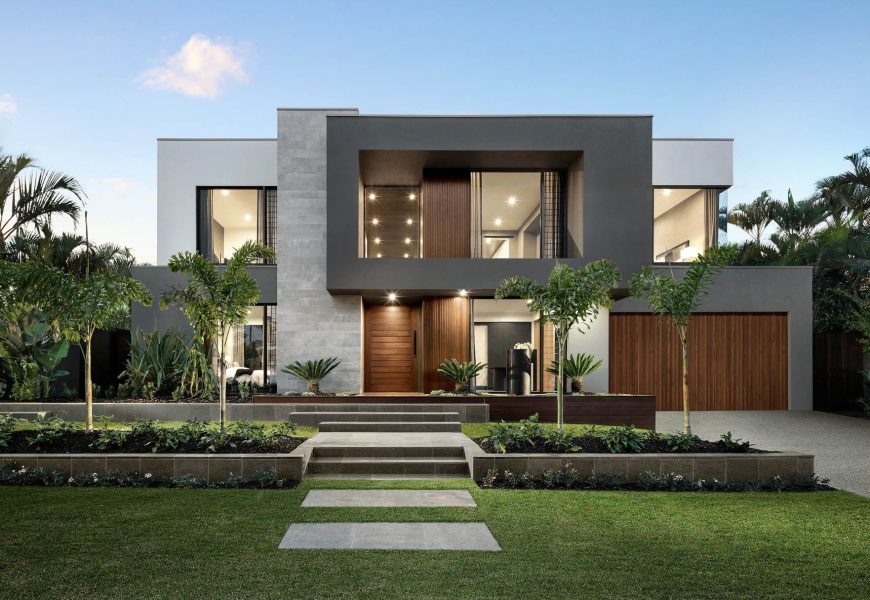
However, Cr Schrinner acknowledged the challenges of rapid growth, particularly housing. "We need more homes to meet demand, and we're working with industry and government to deliver them. It's a good problem to have - the challenge of growth," he said.
The construction sector is playing a key role, with high demand for workers and billions flowing into the economy. Property Council of Australia Queensland executive Jess Caire said the sector delivered $24 billion in the past year alone. "That gives us confidence our growth is sustainable and will meet the needs of a rising population," she said.
More Top Stories