°C
°C
 3
Min
3
Min
CAPE TOWN, South Africa (AP) – The U.S.-based organizers of an international human rights conference said they canceled it days before it was due to open because China pressured the African host country to exclude Taiwanese activists.
Rights summit in Zambia is canceled after Chinese pressure to exclude Taiwanese activists

CAPE TOWN, South Africa (AP) - The U.S.-based organizers of an international human rights conference said they canceled it days before it was due to open because China pressured the African host country to exclude Taiwanese activists.
Access Now, the New York-based advocacy group that organizes the annual gathering, said late Friday it had canceled the RightsCon summit in Zambia that was due to take place next week after the Zambian government initially said it was postponed.
Access Now said it had been informed by Zambian officials that the government had been pressured by China over the conference "because Taiwanese civil society participants were planning to join us in person." Access Now said it pushed back on any move to exclude delegates from Taiwan.
"We believe foreign interference is the reason RightsCon 2026 won't proceed in Zambia," Access Now said in a statement.
"What the government wanted from us in order to lift the postponement was conveyed to us informally from multiple sources: ... we would have to moderate specific topics and exclude communities at risk, including our Taiwanese participants, from in-person and online participation."
The Zambian government earlier announced it was postponing the conference because it wanted information on the themes and topics of discussion to ensure they aligned with the country's "national values, policy priorities and broader public interest considerations."
Zambia has strong political and economic ties with China, largely through Chinese mining interests in the mineral-rich southern African nation.
RightsCon is an annual conference focused on human rights and technology and deals with issues like internet censorship, electronic surveillance and cyberwarfare. More than 2,600 participants were due to attend in Zambia, with another 1,100 attending online, Access Now said. They represented more than 150 countries.
Last year's summit was held in Taiwan.
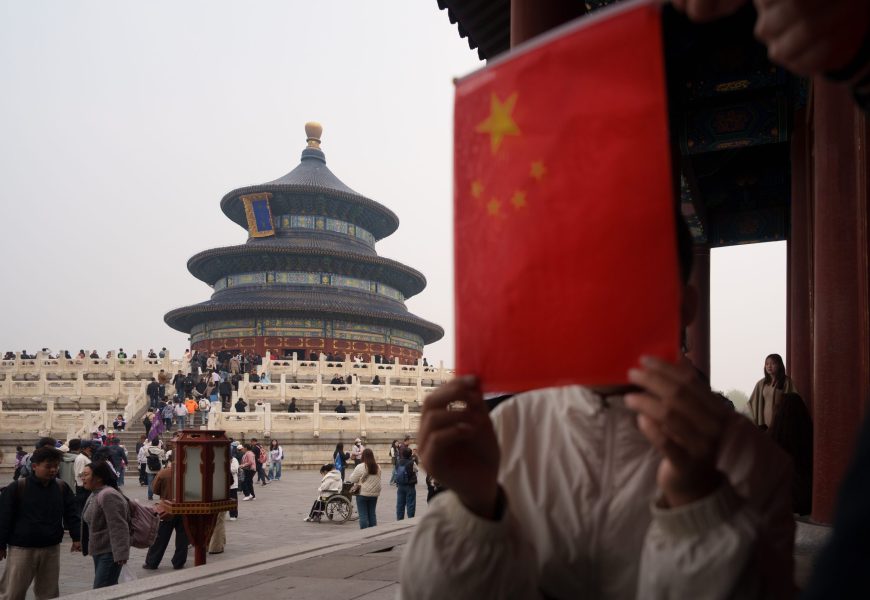
Taiwanese Minister of Digital Affairs Lin Yi-jing said in a statement on Facebook on Saturday that the cancellation of the summit showed China's unease over "the ideas of freedom, democracy and rule of law that Taiwan and RightsCon represent."
Human Rights Watch said Zambian authorities should explain their actions.
The move by the Zambian government came just a week after Taiwan claimed that Beijing intervened to stop Taiwanese President Lai Ching-te from visiting another southern African country, Eswatini on April 22.
Lai's visit to Eswatini, the only African nation that maintains formal diplomatic relations with Taiwan, was called off after the Indian Ocean islands of Madagascar, Mauritius and Seychelles were pressured by China to withdraw permission for Lai's plane to fly over their territory, Taiwan said.
The Chinese Foreign Ministry praised the actions of the three nations and said their "adherence to the one-China principle is in full compliance with international law."
China claims self-ruled Taiwan as its breakaway province, to be retaken by force if necessary, and prohibits countries it has diplomatic relations with from maintaining formal ties with Taipei. China has significant influence across Africa.
Taiwanese leader Lai made a surprise announcement on Saturday that he had arrived in Eswatini after the first visit was called off. This time, Lai had not announced publicly that he was traveling.
Taiwan "will never be deterred by external pressures," Lai wrote on X.
More Top Stories