°C
°C
 2
Min
2
Min
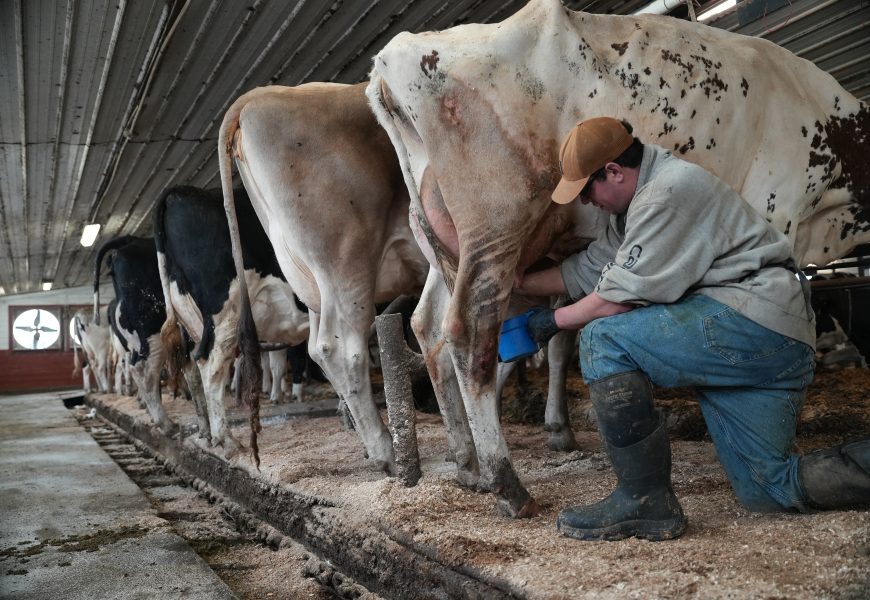
SAO PAULO (AP) – Labor prosecutors in Brazil filed a lawsuit Wednesday against meatpacking giant JBS, accusing the company of buying cattle from farms where workers were held in slavery-like conditions.
Brazil prosecutors launch suit against meatpacking giant JBS over beef tied to slavery-like labor
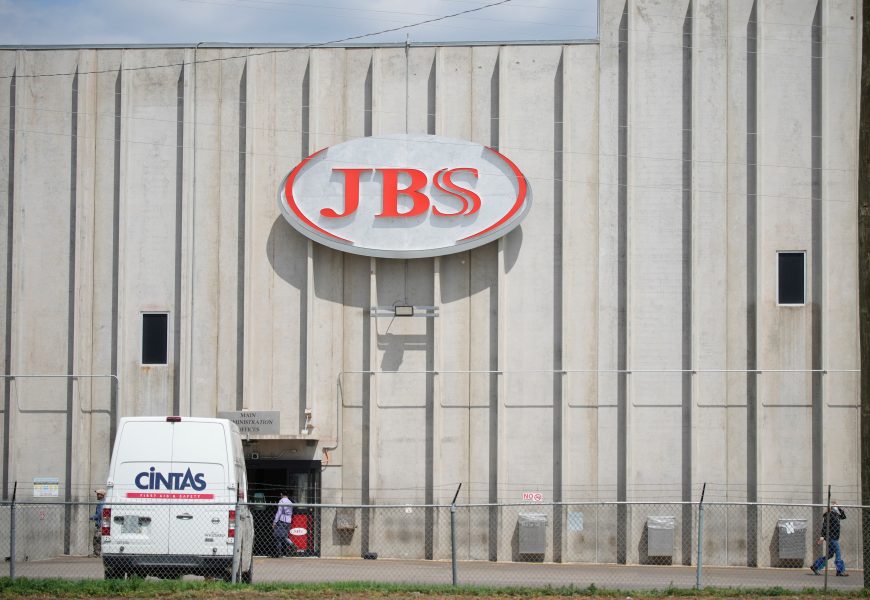

SAO PAULO (AP) - Labor prosecutors in Brazil filed a lawsuit Wednesday against meatpacking giant JBS, accusing the company of buying cattle from farms where workers were held in slavery-like conditions.
The civil action suit before a labor court in the northern Brazilian state of Para seeks nearly 119 million reais (about $24 million) in compensation, an amount prosecutors say reflects the total value of transactions between JBS and the suppliers.
According to the filing, 53 workers were rescued from properties owned by seven ranchers who supplied the meatpacking company between 2014 and 2025. Those employers were listed in Brazil's official public registry of companies found to have subjected workers to conditions that are similar to slavery, prosecutors said.
JBS showed "a systematic pattern of negligence," the prosecutors said. The company did not immediately respond to a request for comment.
Brazil is the world's largest beef producer, accounting for about 20% of global production. The South American nation recently surpassed the United States, which now accounts for about 19% of the global beef production, according to the U.S. Department of Agriculture.
A statement from Brazil's labor prosecutors noted that cattle ranching accounts for the highest number of rescued workers nationwide and has also been a major driver of deforestation in the Amazon. Para state is part of the Amazon region.
In March, the Office of the United States Trade Representative included Brazil on a list of 60 countries under investigation for forced labor.
JBS is the world's largest meatpacking company, with a market capitalization of about $17 billion. It operates plants in the U.S., including in Colorado, where workers staged a three-week strike earlier this year.
More Top Stories