°C
°C
 3
Min
3
Min
NEW DELHI (AP) – The World Anti-Doping Agency reported progress in its fight to clean up India, its worst offender.
WADA is challenging India to clean up doping issues
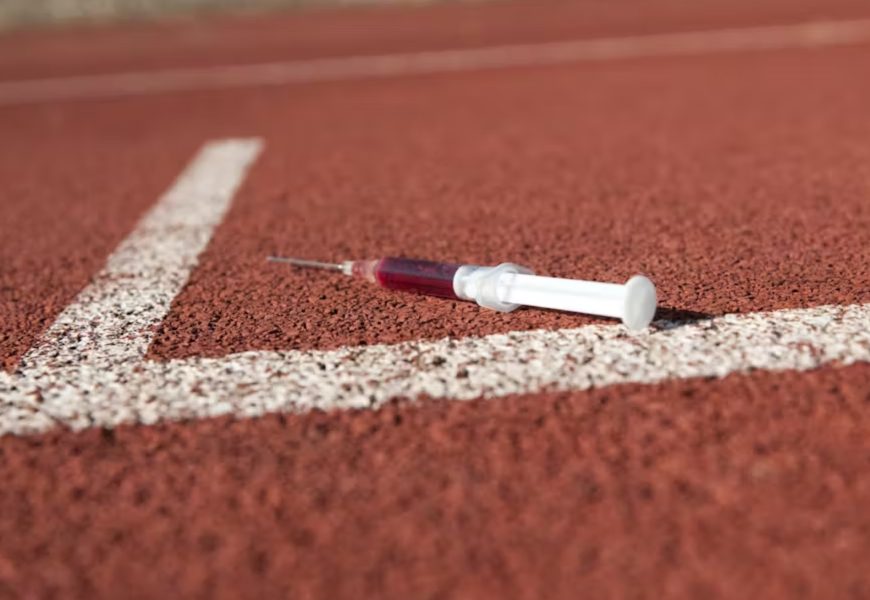

NEW DELHI (AP) - The World Anti-Doping Agency reported progress in its fight to clean up India, its worst offender.
India has topped WADA's list of doping lawbreakers for three consecutive years, reporting the highest positive rate among major nations. That's a red flag for the country scheduled to host the 2030 Commonwealth Games and aiming to host the 2036 Olympics.
"Performance-enhancing drugs and steroids are readily available in India - it is one of the biggest producers. It is a serious problem," WADA president Witold Bańka said on Thursday at a press conference for its global anti-doping intelligence and investigations network.
"At the same time I have had fruitful conversations with different stakeholders here - from the sports minister, to NADA (National Anti-Doping Agency), and the CBI (Central Bureau of Investigation) to enhance cooperation in cracking down on the doping networks."
NADA head Anant Kumar outlined how the menace was being tackled within via a two-pronged strategy that was strengthening the detection and testing systems, while also increasing athletes' trust in the system through improved transparency and efficiency.
NADA has increased testing from about 4,000 samples in 2019 to about 8,000 in 2025 though this remained low compared to countries like China, which tested upwards of 15,000 athletes annually.
However, Bańka underlined that the rise in positive doping cases could indicate a more effective system.
"I would be happier to see that number go up, it will tell us that the system is more effective and reflects improved detection and targeted enforcement," he said. "A lesser number means things aren't right. A sharp decline in cases may signal weak testing or oversight."
Another key challenge in India was focusing doping detection on suppliers and enablers such as coaches and managers, rather than solely on athletes.
"Athletes are sometimes victims in the whole process. You will always have individuals who want to cheat and adopt unfair means. But we don't want athletes to be charged with criminal intent," WADA director of intelligence and investigations Gunter Younger said.
Bańka added, "Doping-related crime is transnational and increasingly sophisticated. We don't want athletes in jail - only those who are supplying and destroying careers should face strong consequences."
India's most popular sport, cricket, returns to the Olympics in 2028 at Los Angeles. When asked if WADA/NADA will test more cricketers, Bańka said, "We are not here to focus on just one sport. We do have different conversations with various stakeholders, including the International Cricket Council, but it would be unfair to focus on just one sport."
"The focus is more on high-risk sports," Kumar added. "Cricket is immensely popular but within its framework it still remains a low-risk sport. While we are working with the relevant cricket bodies we cannot simply target one category of athletes - our spotlight is on a much wider span."
More Top Stories