°C
°C
 3
Min
3
Min
BRUSSELS (AP) – The European Union on Wednesday was on the cusp of approving a massive loan for Ukraine as oil began flowing again through a key pipeline toward Hungary and Slovakia, lifting a major obstacle to approving the funds.
EU close to approving a $106B loan for Ukraine after months of deadlock

BRUSSELS (AP) - The European Union on Wednesday was on the cusp of approving a massive loan for Ukraine as oil began flowing again through a key pipeline toward Hungary and Slovakia, lifting a major obstacle to approving the funds.
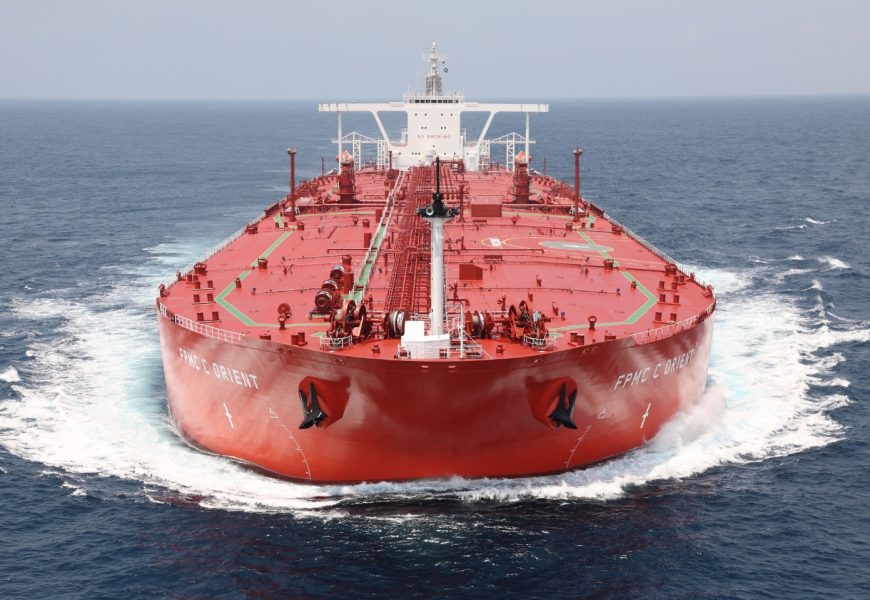
The operator of the Druzhba pipeline in Ukraine, Ukrtransnaft, told the two countries that Russian oil was on its way and should arrive early on Thursday. Unlike most of the rest of the EU, Hungary and Slovakia still depend on Russia for their energy needs.
EU envoys, meanwhile, launched a political procedure to endorse the loan. National governments have 24 hours to raise objections in writing, and if none of the 27 member nations do, the loan could be approved by Thursday afternoon, just as EU leaders are gathering for a summit in Cyprus.
A new raft of sanctions against Russia could also be approved on Thursday.
Ukraine desperately needs the 90 billion euro ($106 billion) loan package, originally agreed in December, to prop up its war-ravaged economy and help keep Russian forces at bay for the next two years.
Hungary has insisted that it must start receiving the oil again before it will unblock the funds, while Slovakia refused to endorse new sanctions.
For months, the two countries have accused Ukraine of failing to repair the pipeline. Ukraine and most of its European backers oppose imports of Russian oil which have helped to fund President Vladimir Putin's war, now in its fifth year.
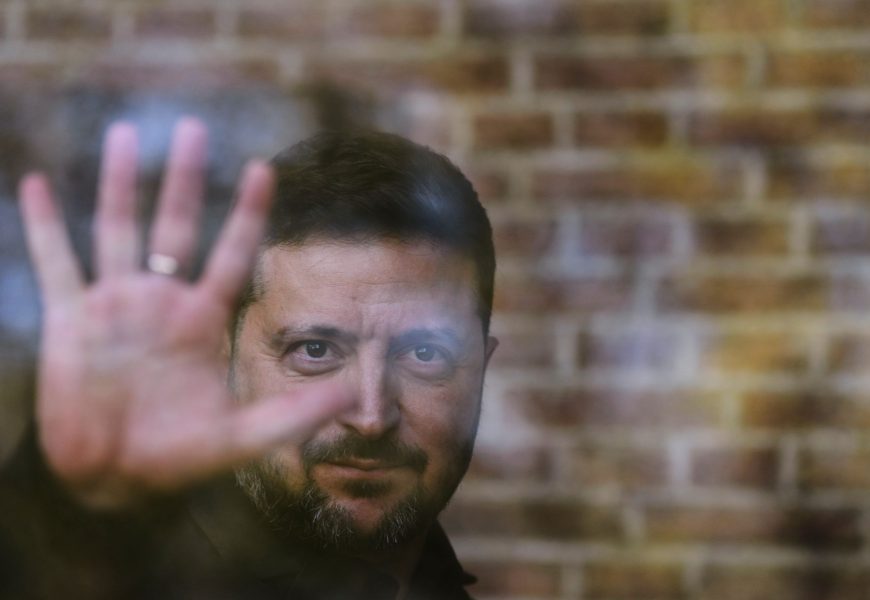
In a post on social media on Wednesday, President Volodymyr Zelenskyy said that "Ukraine is fulfilling its obligations" and that "we expect that the European side will also deliver."
He welcomed movement on the loan, saying that "the unblocking is the right signal under the current circumstances. Russia must end its war. And the incentives for that can arise only when both support for Ukraine and pressure on Russia are sufficient."
The 27-nation EU had originally intended to use frozen Russian assets as collateral for the loan. But that option was blocked by Belgium, where the bulk of the frozen assets are held.
In December, the Czech Republic, Hungary and Slovakia agreed not to stop their EU partners from borrowing the money on international markets as long as the three countries did not have to take part in the scheme.
But Hungary's outgoing Prime Minister Viktor Orbán, who has repeatedly blocked EU aid to Ukraine, angered the other 24 countries by later reneging on that deal over the pipeline dispute and as campaigning heated up ahead of an April 12 election that he lost in a landslide.
The EU has also been trying since February to push through a new raft of sanctions against Russia, which Hungary and Slovakia have blocked. The EU envoys also set in train a procedure to have them approved on Thursday.
Slovak Prime Minister Robert Fico repeated on Wednesday that his government would not approve the new EU measures "unless the Druzhba oil pipeline is really reopened." Fico said that "trust between Slovakia and Ukraine has been badly damaged" by the dispute.
But Economy Minister Denisa Saková confirmed that Slovakia expects oil supplies to resume early on Thursday. Saková said Ukrtransnaft had informed the government that oil began entering the Druzhba pipeline again on Wednesday.