°C
°C
 2
Min
2
Min
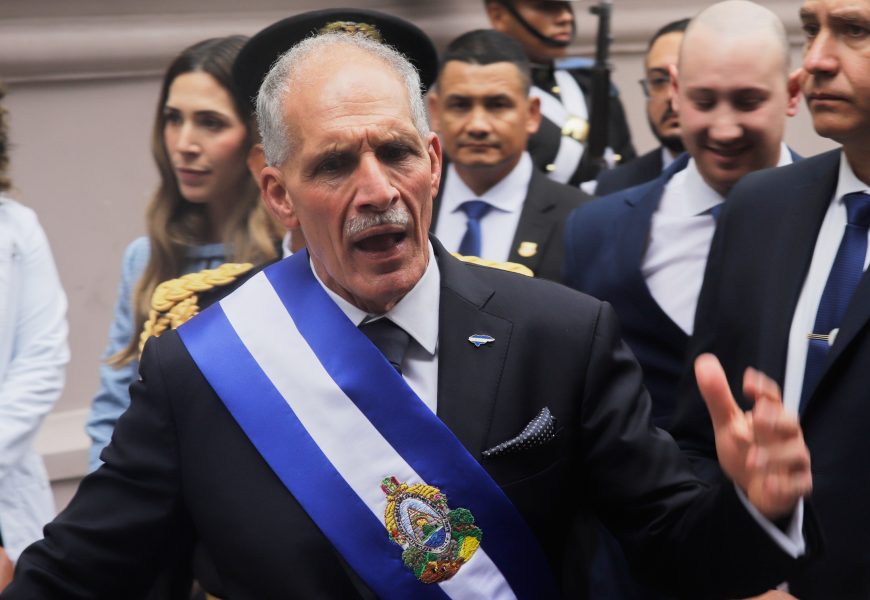
LIMA, Peru (AP) – Peruvian interim President José María Balcázar has deferred the decision to purchase 24 fighter jets valued at $3.5 billion to his successor who will emerge after a runoff in the country’s presidential election.
Peru’s interim president defers $3.5 billion fighter jet purchase to the next government
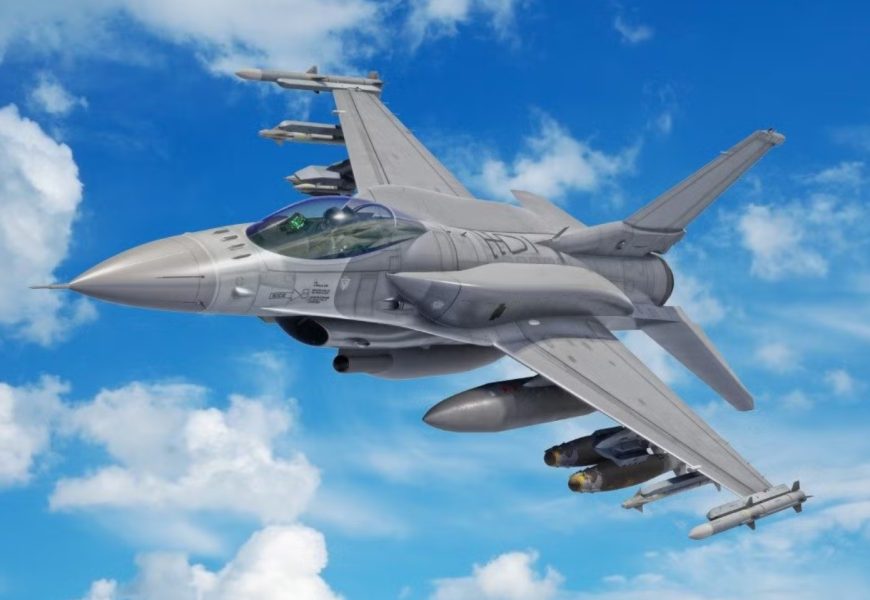

LIMA, Peru (AP) - Peruvian interim President José María Balcázar has deferred the decision to purchase 24 fighter jets valued at $3.5 billion to his successor who will emerge after a runoff in the country's presidential election.
Balcázar announced the decision in an interview with RPP local radio station on Friday evening. His transitional government, which began in February, is set to end in July. Peru is holding a presidential runoff on June 7.
The interim leader said the new government will have "full legitimacy to decide" whether to acquire the F-16 Block 70 fighter jets manufactured by the United States-based Lockheed Martin.
"For us to commit such a large sum of money to the incoming government would be a poor practice for a transitional government," Balcázar said.
Peruvians voted for president on Sunday. No candidate received enough support to win outright, and electoral authorities have not yet announced the two candidates who will advance to the runoff contest as they continue to count votes.
Conservative former congresswoman Keiko Fujimori has assured her spot in June's ballot after taking the top slot among 35 presidential hopefuls. But the tight race for second and third place could take weeks to finalize.
The runoff winner will take office on July 28.
In 2024, the government of President Dina Boluarte announced that Peru would allocate $3.5 billion to the purchase of 24 fighter jets through domestic borrowing of $2 billion in 2025 and $1.5 billion in 2026. Among the companies that submitted bids were, in addition to Lockheed Martin, the Swedish Saab and the French Dassault Aviation.
Peru's Congress in February elected Balcázar as the country's eighth president in a decade, replacing another interim leader who was ousted the previous day over corruption allegations just four months into his term.
The revolving-door presidency in the Andean nation reflects a political crisis fueled by a lack of legislative majorities for leaders. Lawmakers have frequently used a broad interpretation of a constitutional article regarding "permanent moral incapacity" to remove sitting presidents.
More Top Stories