°C
°C
 4
Min
4
Min
LONDON (AP) – The Irish government survived a confidence vote Tuesday over how it handled a week of fuel protests that cut off oil deliveries and caused massive traffic jams.
Irish government survives confidence vote over handling of fuel protests

LONDON (AP) - The Irish government survived a confidence vote Tuesday over how it handled a week of fuel protests that cut off oil deliveries and caused massive traffic jams.
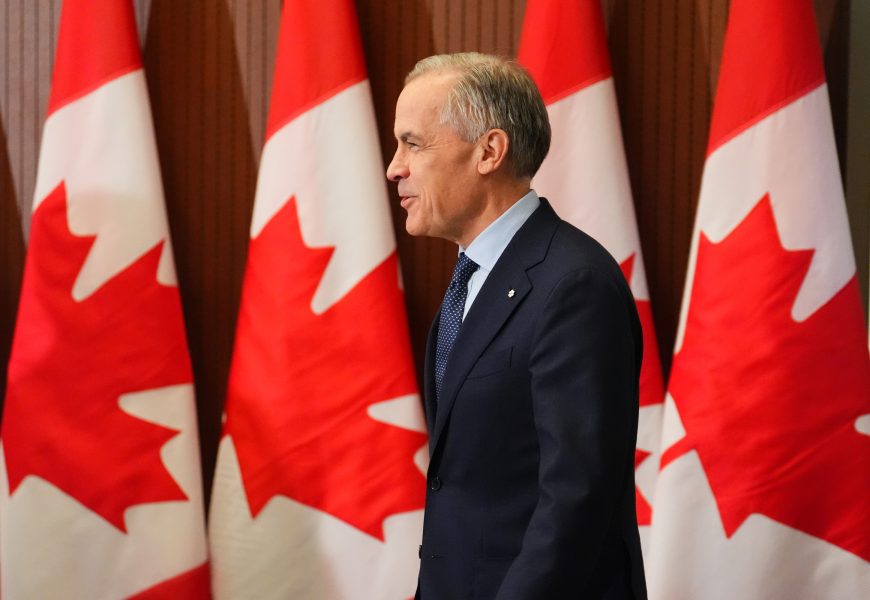
Irish Prime Minister Micheál Martin defended his coalition government by saying it had acted to end the "destructive blockade."
The vote passed 92-78 preserving his leadership. If he lost, his government would have had to resign and Parliament would have either elected a new prime minister or called a general election.
Martin defended the tax cuts the government has offered as the largest in Europe to cope with fuel prices that have soared after the U.S.-Israel war on Iran led to the closure of the Strait of Hormuz, a vital channel for the world's oil.
"The basic core claim that we are doing nothing and are falling behind other countries is simply untrue," Martin said.
Martin led a motion to support his coalition made up of the center-right Fianna Fáil and Fine Gael parties along with some independents ahead of a no-confidence vote brought by Sinn Fein, the largest opposition party.
THIS IS A BREAKING NEWS UPDATE. AP's earlier story follows below.
LONDON (AP) - Irish Prime Minister Micheál Martin defended his government Tuesday as he tried to head off a no-confidence motion in Parliament over how it has handled a week of fuel protests that blocked access to oil supplies and a major port and caused massive traffic jams.
Martin said the government had acted to end the "destructive blockade" and that tax cuts they offered were the largest in Europe to cope with fuel prices that have soared after the U.S.-Israel war on Iran led to the closure of the Strait of Hormuz, a vital channel for the world's oil.
"The basic core claim that we are doing nothing and are falling behind other countries is simply untrue," Martin said.
Martin led a motion to support his coalition made up of the center-right Fianna Fáil and Fine Gael parties along with some independents ahead of a no-confidence vote brought by Sinn Fein, the largest opposition party.
If Martin's motion passes, it would make the no-confidence motion moot. But if it fails, it would have the effect of a no-confidence vote and force his government to resign, leading Parliament to pick a new prime minister or trigger a general election.
Opposition politicians blasted Martin for failing to respond sooner to the protests, criticized the aid package as insufficient and said the government was failing to tackle the broader cost-of-living crisis in Ireland.
Sinn Fein Leader Mary Lou McDonald said it was brazen of the coalition to bring the confidence vote after abandoning struggling, hardworking people.
"As you backslap, congratulate, flatter each other, just know that beyond your bubble people see a government out of touch," McDonald said. "It is your own arrogance, your lack of judgment, your lack of any empathy that has left people with no conclusion other than this: Your time is up."
Social Democrats, Labour, People Before Profit, Aontu, The Green Party and Independent Ireland have said they would vote no-confidence.
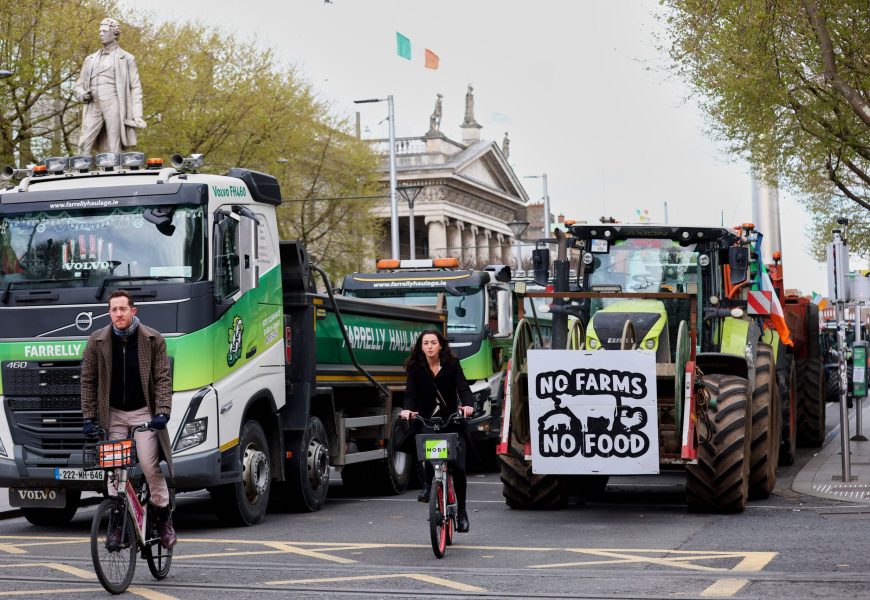
Protests began April 7 with slow-moving convoys clogging roadways. They grew as word spread on social media as truckers, farmers and taxi and bus operators blocked key infrastructure and the main thoroughfare in the capital, Dublin.
Demonstrators called for price caps or tax cuts to alleviate soaring fuel costs they said will drive people out of business.
Martin said the government can learn from the protests, but defended the response by police and military to clear roadblocks at the country's sole oil refinery at Whitegate in County Cork and at several depots. They caused more than a third of gas pumps to run dry.
"We had to clear Whitegate and the ports because we export about 90% of everything we make in this country," Martin said. "The ports are the lifeblood of economy, and if the ports were blockaded for any length of time, people would have lost jobs, part-time production would have ceased, and it would have been very, very serious."
The demonstrations were tolerated until the weekend, when police used pepper spray in clashes with some protesters and an army truck knocked down a log barricade at the Galway port. Many protesters said they achieved their goal in getting the government to compromise.
Lawmakers were also scheduled to vote Tuesday on the fuel support package amounting to 505 million euros ($595 million) that Martin said will ease some cost-of-living pressures.
The package would include direct payments to truckers and school bus operators and fuel subsidies for agricultural and fishing industries. The relief measure would follow a 250 million euro tax break approved three weeks ago.
More Top Stories