°C
°C
 4
Min
4
Min
NEW YORK (AP) – Prosecutors once again portrayed Harvey Weinstein as a onetime Hollywood power player who used his sway as a tool of sexual assault, painting a now-familiar picture Tuesday at a rape retrial nearly eight years after the former movie tycoon’s arrest.
Harvey Weinstein’s rape retrial opens in New York, the third time this case has gone to trial
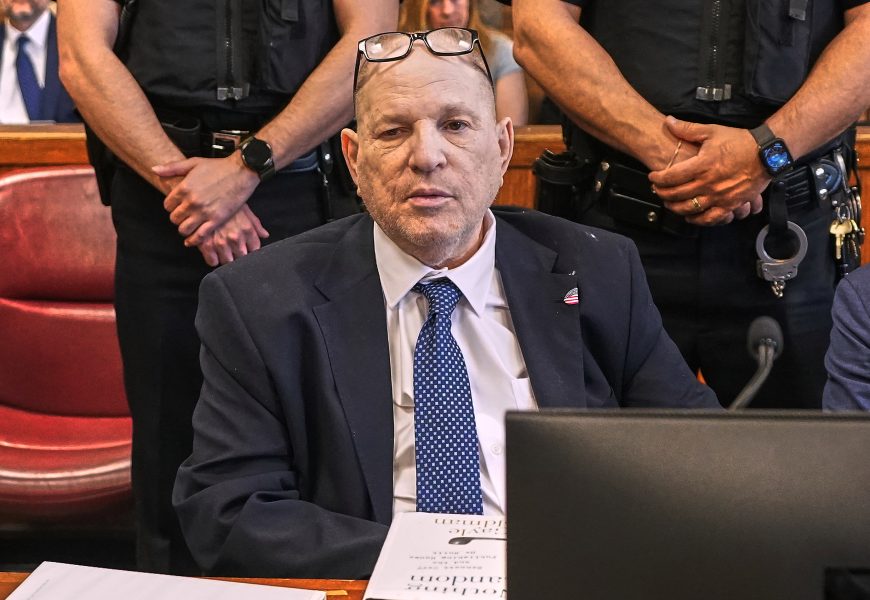

NEW YORK (AP) - Prosecutors once again portrayed Harvey Weinstein as a onetime Hollywood power player who used his sway as a tool of sexual assault, painting a now-familiar picture Tuesday at a rape retrial nearly eight years after the former movie tycoon's arrest.
"This case will come down to power, to control and to manipulation," Manhattan Assistant District Attorney Candace White told jurors as opening statements began in the bellwether #MeToo case, with DA Alvin Bragg watching from the audience.
Weinstein lawyer Jacob Kaplan countered that the case actually "is about consent, about choice and about regret," echoing the ex-studio head's longtime defense that his accuser has recast a willing encounter as a crime.
Since Weinstein became a major target of the #MeToo movement against sexual misconduct nearly a decade ago, he has been convicted of some sexual assault charges and acquitted of others in trials on two U.S. coasts. But the rape charge involving a 2013 encounter in a Manhattan hotel has lingered, due to an overturned conviction followed by a jury deadlock.
Weinstein has pleaded not guilty and denies ever having nonconsensual sex. He said in court in this winter that he had been unfaithful to his then-wife and "acted wrongly, but I never assaulted anyone."
The jury - seven men and five women - was selected over several days last week. Weinstein's last New York jury was majority-female, but his first was mostly male.
The current jurors were questioned about, among other things, their familiarity with Weinstein and whether they could be fair and impartial regardless of what they might have heard.
Now a 73-year-old prison inmate, Weinstein was once one of the most influential people in Hollywood. An Academy Award-winning producer and a studio boss, he helped bring such acclaimed films as "Pulp Fiction," "Shakespeare in Love" and "Gangs of New York" to movie houses and the popular reality series "Project Runway" to TV. He also was a prominent Democratic donor.
His career collapsed in 2017, when decades of Hollywood whispers about his behavior toward women became public accusations in news and social media. Criminal charges followed in New York and Los Angeles.
His accuser in this trial, Jessica Mann, was a 27-year-old hairstylist hoping to break into big-time acting when she met Weinstein at a Los Angeles-area party in early 2013.
She has testified that she was looking for a professional connection but ended up, ambivalently, in a consensual relationship with the then-married Weinstein.
During a New York trip with a friend in March 2013, she arranged a breakfast for both of them with Weinstein, she said at previous trials. According to Mann's prior testimony, Weinstein ultimately trapped her in a hotel room, ignored her protestation that "I don't want to do this," demanded she undress and grabbed her arms, and she succumbed because she "just wanted to get out."
White told jurors Tuesday that Weinstein "was used to getting his way. He did what he wanted, when he wanted and with whom he wanted," White said, adding: "Behind closed doors, power meant him taking what he wanted from the victim in this case."
Weinstein switched legal teams for this retrial, but his new attorneys are echoing their predecessors' themes. Kaplan emphasized Tuesday that after the alleged rape, Mann kept seeing Weinstein, accepting invitations, asking him for career help and sending warm messages to him.
"Ms. Mann was a strong and capable woman who was able to get what she wanted from Harvey while maintaining a relationship with him. She was not a naive child," Kaplan said. He contended that she reevaluated the relationship and came to regret it years later, but that "does not remove consent."
The Associated Press does not identify people who say they have been sexually assaulted, unless they agree to be named, as Mann has done.
The trial is expected to take up to four weeks.
More Top Stories