°C
°C
 5
Min
5
Min
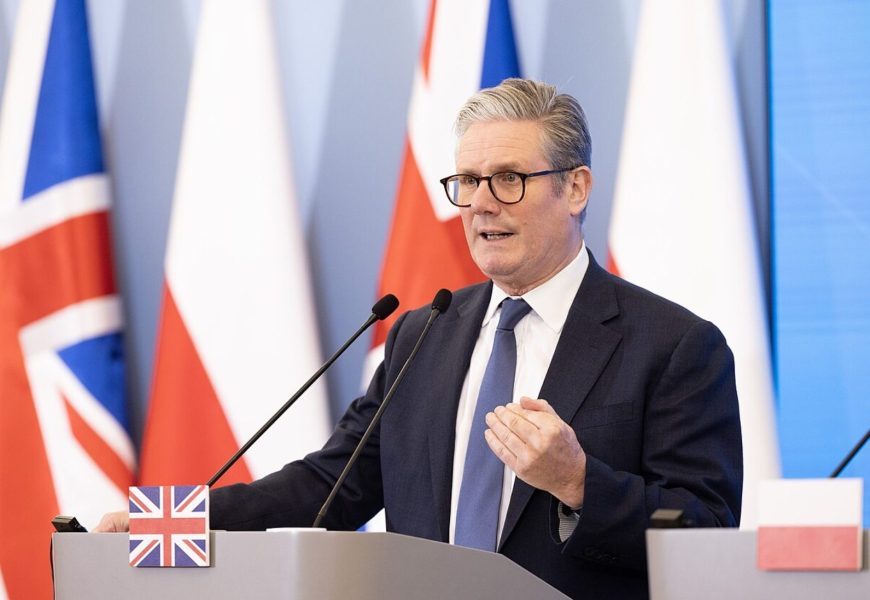
LONDON (AP) – U.K. Prime Minister Keir Starmer insisted Tuesday that he has no intention of resigning as calls grew louder within his Labour Party for him to step down and some junior members of his government quit in protest. Starmer tried to shore up support within his Cabinet following hefty losses for the Labour Party in local elections.
UK’s Starmer defiant as calls for his resignation grow and several ministers quit
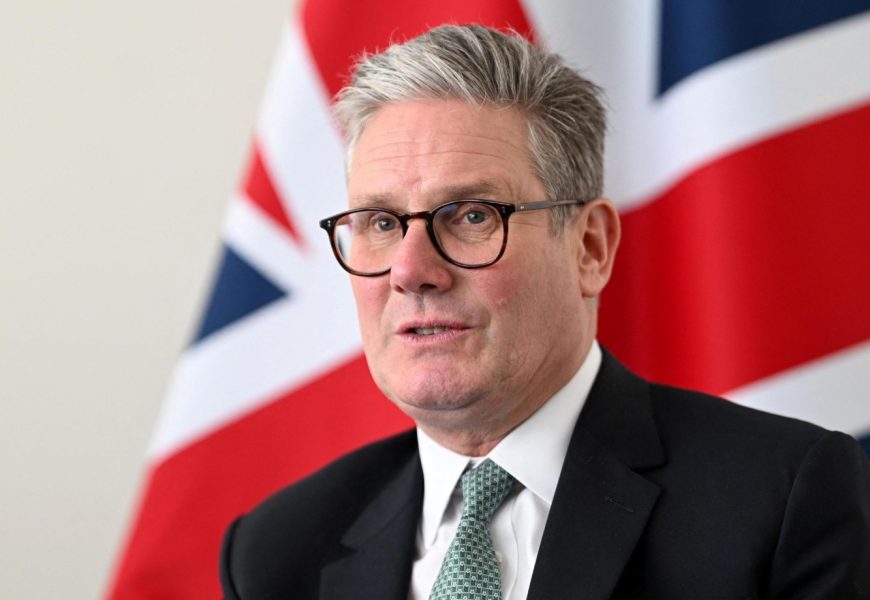

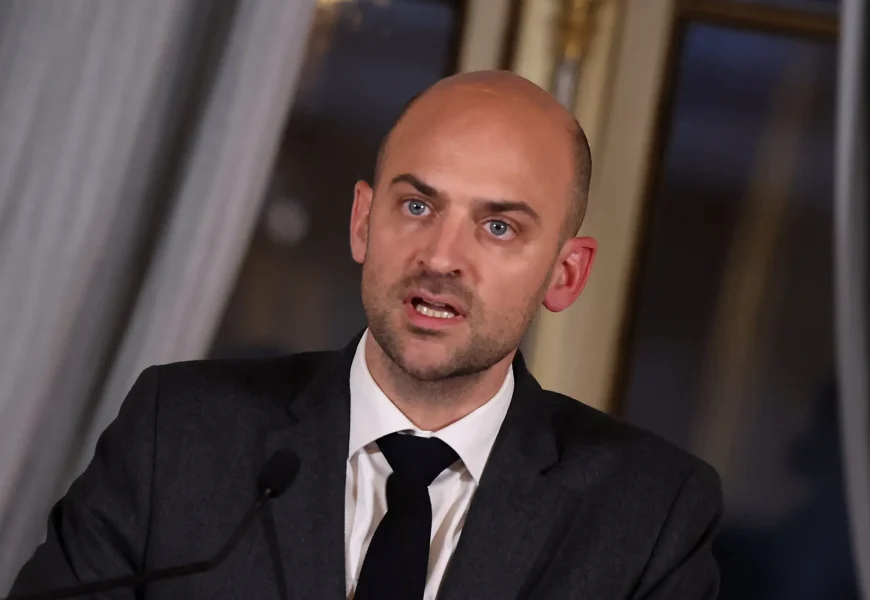
LONDON (AP) - U.K. Prime Minister Keir Starmer insisted Tuesday that he has no intention of resigning as calls grew louder within his Labour Party for him to step down and some junior members of his government quit in protest.
Starmer tried to shore up support within his Cabinet following a feverish few days in the wake of hefty losses for the Labour Party in local elections last week, which if repeated in a national election that has to be held by 2029 would see it overwhelmingly ejected from power.
Though no one in his Cabinet has quit or publicly stated that the prime minister should set out a timetable for a change in leader, several junior ministers stepped down. The resignations stoked speculation that Starmer could suffer the fate of Boris Johnson in 2022 when dozens of ministers quit en masse and forced his departure.
Around 90 Labour lawmakers, or more than a fifth of the parliamentary party, have now said Starmer should stand down or at least set out a timetable for his departure.
That's not enough to trigger a leadership contest, though, as no candidate has issued a challenge to the prime minister. Under Labour party rules, a fifth of its lawmakers in the House of Commons, or 81 members, must publicly give their backing to a single candidate for a leadership election to take place.
On Tuesday, several junior ministers, some of whom were only elected for the first time in Labour's landslide election victory of July 2024, resigned and urged Starmer to do the same for the good of the country as well as the party.
Miatta Fahnbulleh, minister of housing, communities and local government, became the first member of his government to step down, urging Starmer "to do the right thing for the country" and set a timetable for his departure.
She was followed by Jess Phillips, the safeguarding minister and a prominent member of the Labour Party. In her resignation letter, she described Starmer as a "good man fundamentally" but unable to make bold changes.
"I know you care deeply, but deeds, not words are what matter," Phillips said. "I'm not sure we are grasping this rare opportunity with the gusto that's needed and I cannot keep waiting around for a crisis to push for faster progress."
Despite winning a landslide election victory in July 2024, Labour's popularity has sunk and Starmer is getting much of the blame.
The reasons are varied, including a series of policy missteps, a perceived lack of vision on the prime minister's part, a struggling British economy and questions over his judgment - especially over his appointment of Peter Mandelson as U.K. ambassador to Washington despite the envoy's ties to the convicted sex offender Jeffrey Epstein.
At the start of the weekly Cabinet meeting on Tuesday, Starmer said he took responsibility for the losses in last week's elections but that he would fight on.
Labour was squeezed from the right and the left, losing votes to both anti-immigrant Reform UK and the Green Party, as well as nationalist parties in Scotland and Wales. The result reflects the increasing fragmentation of U.K. politics, long dominated by Labour and the Conservatives.
Starmer told his Cabinet that there's a process to oust a leader and that it hadn't been triggered.
"The country expects us to get on with governing," Starmer said. "The past 48 hours have been destabilizing for government and that has a real economic cost for our country and for families."
That cost was evident in financial markets on Tuesday, with the interest rate charged on British government bonds up by more than those of comparable nations. That shows that investors think it's increasingly risky to hold British government debt.
As Cabinet members left 10 Downing Street, some voiced their support for the embattled prime minister.
Works and Pensions Secretary Pat McFadden said nobody publicly challenged Starmer at the meeting, while Business Secretary Peter Kyle said the prime minister was showing "really steadfast leadership."
Later, Deputy Prime Minister David Lammy warned Labour lawmakers that the only beneficiary of the party's "navel-gazing" over Starmer's position is the populist right.
"He has my full support, and what I say to colleagues is, look, let's just step back," he said. "Take a breath."
Starmer's efforts to save his position as prime minister came a day ahead of the state opening of Parliament, when the government will present its legislative program for the coming year.
Health Secretary Wes Streeting, long believed to be preparing for a leadership challenge against Starmer, was among senior ministers who dodged a barrage of shouted questions from a gaggle of reporters outside.
"Wes Streeting, do you want the job, or not?" a man yelled from across the street. "Are you measuring the curtains?"
The other two names often touted as possible successors are Angela Rayner, the former deputy prime minister who had to quit last year over an unpaid tax bill. She has long set herself apart as a different kind of politician with a compelling personal story, brought up in social housing and leaving school at 16 as a teen mother.
Andy Burnham, the popular mayor of Greater Manchester, is widely perceived to be one of the strongest candidates. but is not eligible to stand at present, because he's not in Parliament. So to get in the race, he'll have to find a seat where he can be elected. That may involve a close ally of his in the northwest of England vacating his or her seat for him to stand. However, he may be blocked as was the case earlier this year or even if sanctioned, could lose, if last week's results are any guide.
More Top Stories