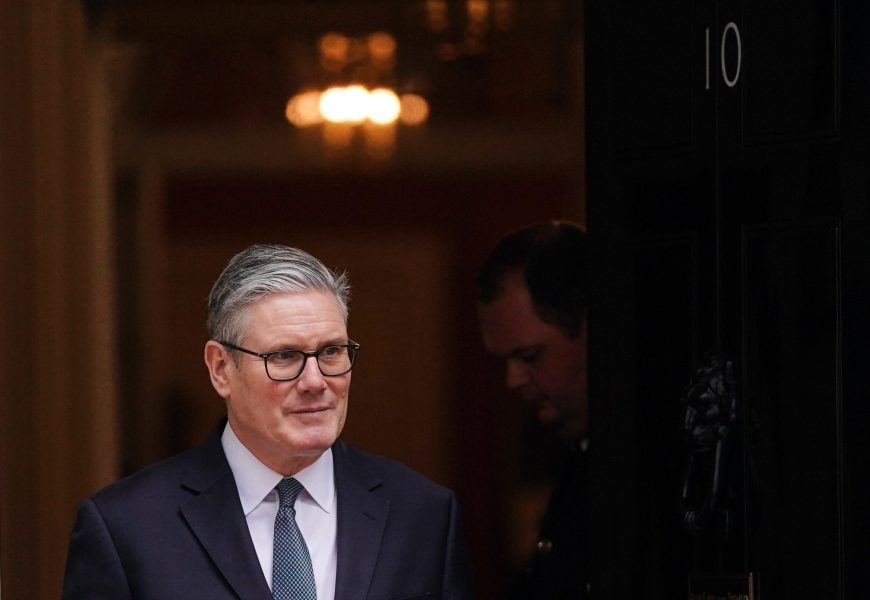
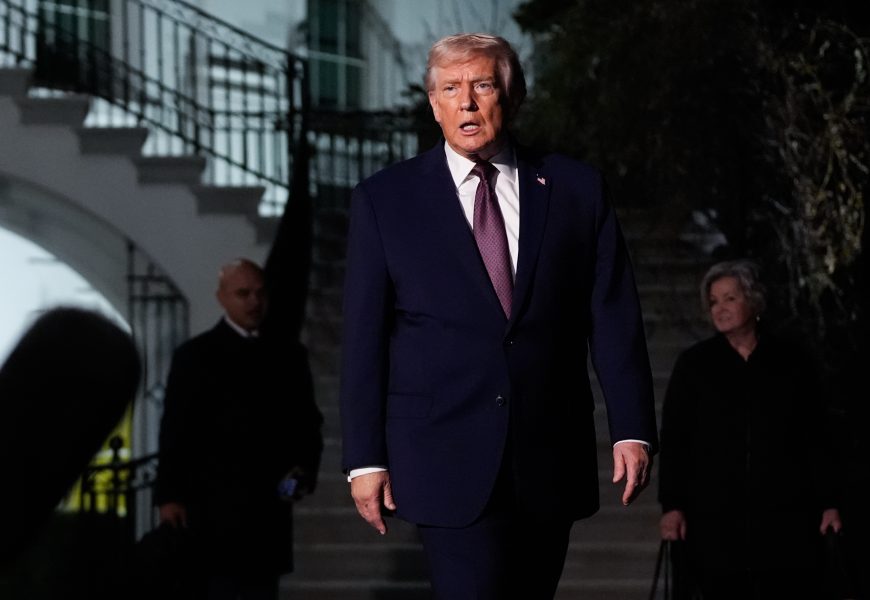
Starmer's visit to China comes as cracks are starting to appear in his attempt to strike up a warm relationship with Trump - efforts rewarded with a trade deal that reduced U.S. tariffs on Britain's key auto and aerospace industries.
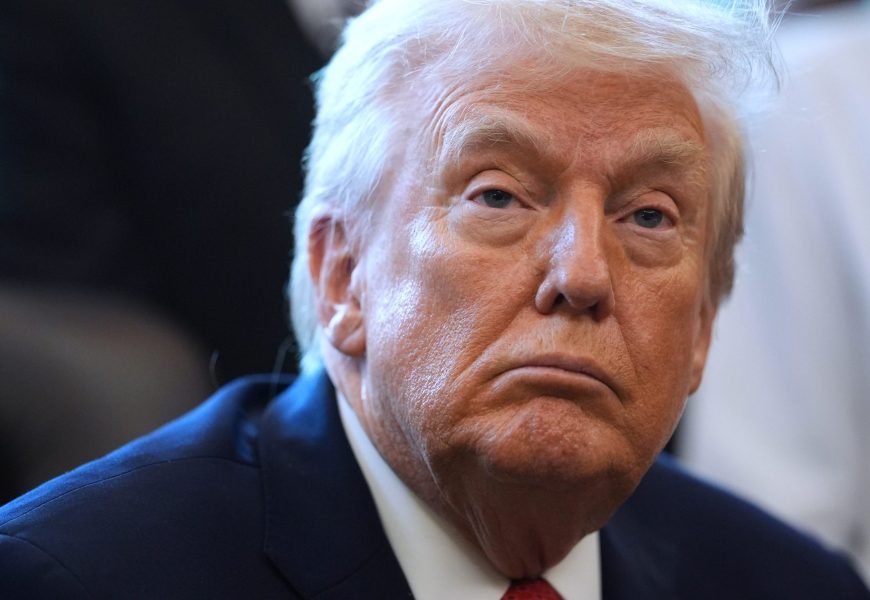
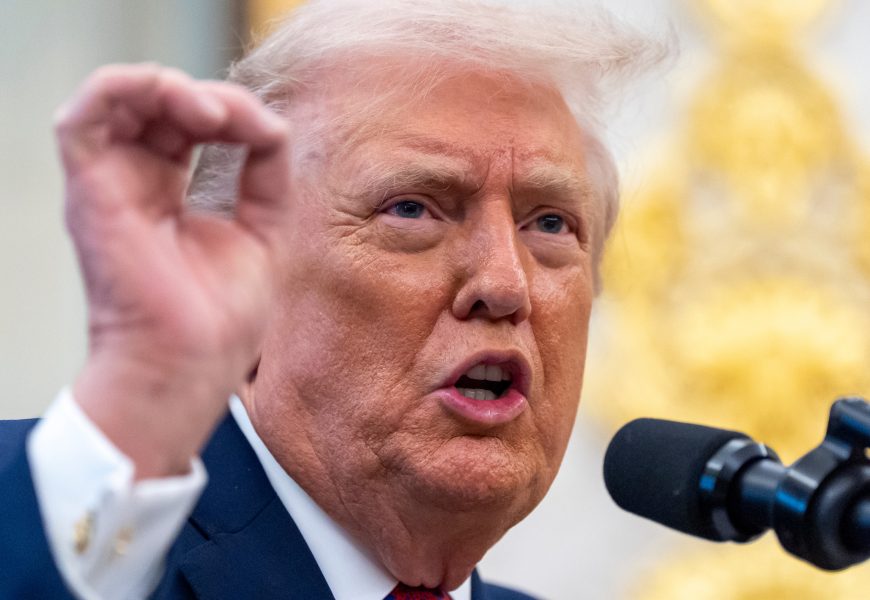
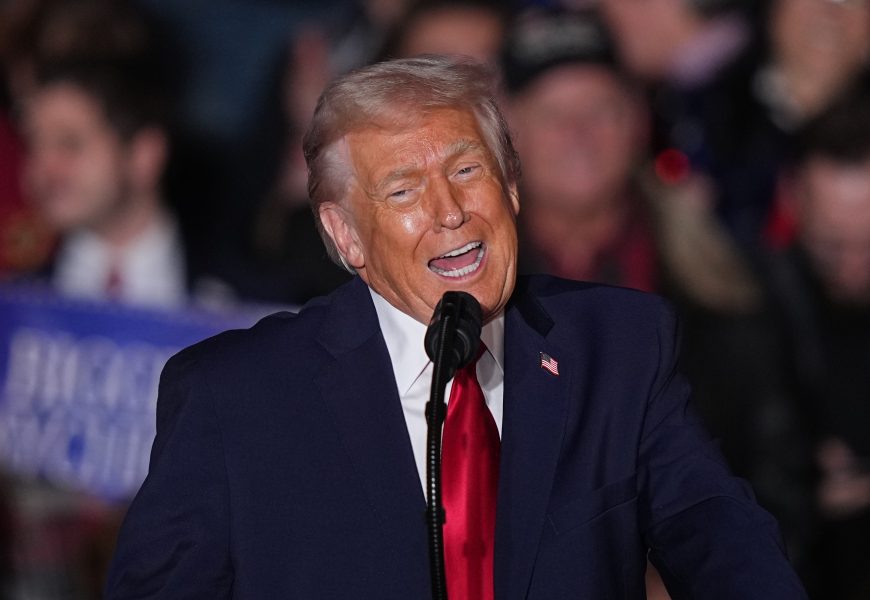
For months Starmer refrained from public criticism as Trump attacked the mayor of London, slammed British immigration policy and sued the BBC for $10 billion.
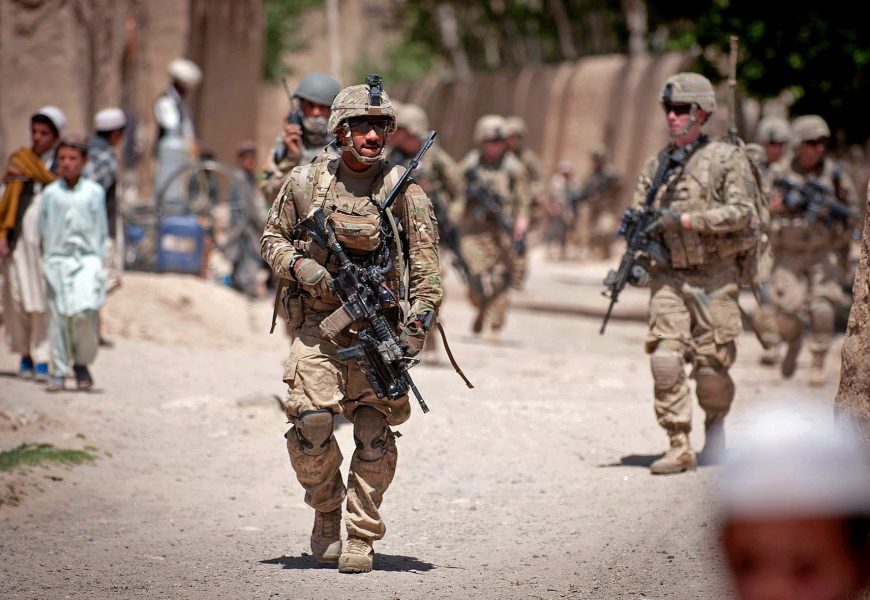
But in recent days, Starmer has called Trump's desire to take over Greenland "completely wrong" and condemned the president's disparaging comments about the role of U.K. and other NATO troops in Afghanistan, which Starmer called "insulting" and "appalling."
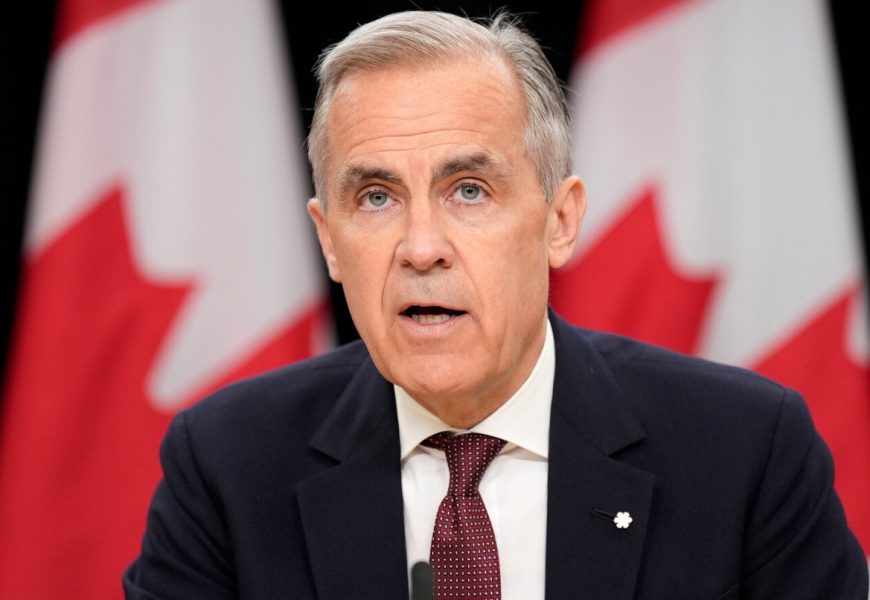
Starmer says Britain does not need to choose between the U.S. and China. But he travels to Beijing days after Canadian Prime Minister Mark Carney. Next month it's the turn of German Chancellor Friedrich Merz, as some of America's strongest allies hedge their bets against the unpredictable Trump.
Zhao Minghao, a professor in the Institute of International Studies at Shanghai's Fudan University, said growing unease among U.S. allies over Washington's recent policy moves, including on tariffs, Greenland and the war in Ukraine, "have triggered a wave among allies to recalibrate their policies to 'de-risk' from the United States."


 °C
°C
 6
Min
6
Min