°C
°C
 3
Min
3
Min
LONDON (AP) – British political parties will be banned from accepting donations in cryptocurrencies, Prime Minister Keir Starmer announced Wednesday, saying illicit finance poses a “stark” danger to the country’s democracy.
UK bans crypto donations to political parties in bid to curb foreign influence
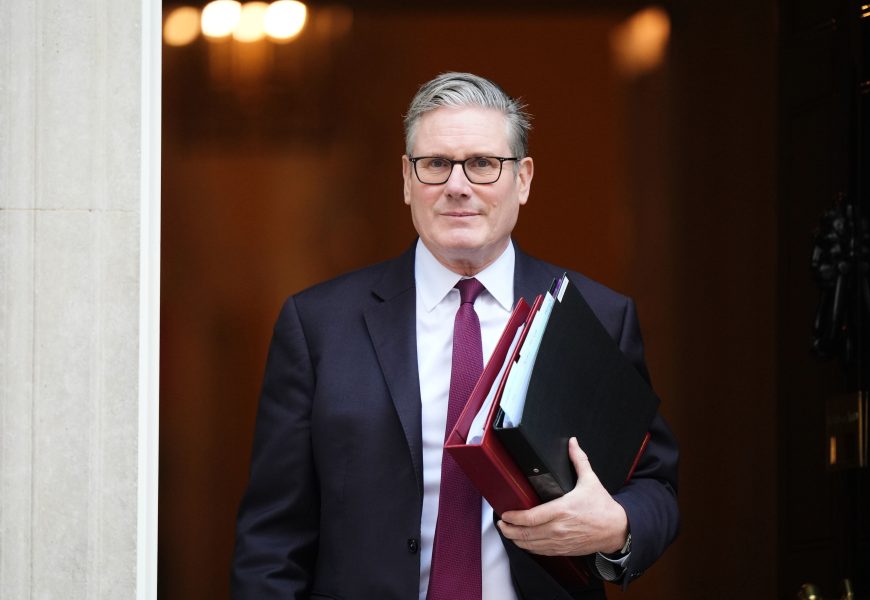
LONDON (AP) - British political parties will be banned from accepting donations in cryptocurrencies, Prime Minister Keir Starmer announced Wednesday, saying illicit finance poses a "stark" danger to the country's democracy.
Starmer told lawmakers that "we will act decisively to protect our democracy" from outside meddling. "That will include a moratorium on all political donations made through cryptocurrencies," he said during the weekly Prime Minister's Questions session in the House of Commons.
The move could be a financial blow to the hard-right party Reform UK. The party led by Nigel Farage is one of the few in Britain to accept cryptocurrency donations.
The government also said it will put an annual cap of 100,000 pounds ($134,000) on donations by British voters living abroad. Reform has received 12 million pounds in the past year from Christopher Harborne, a British businessman based in Thailand, according to Electoral Commission figures.
Reform lawmakers walked out of the House of Commons chamber after Starmer made the announcement.
Reform UK deputy leader Richard Tice said the government was trying "to stop the incredible progress of Reform."
The party holds just eight of the 650 seats in the House of Commons but consistently leads both Starmer's governing Labour Party and the main opposition Conservatives in opinion polls.
Tice told broadcaster GB News that "cryptocurrencies are a perfectly legitimate way of investing, of earning within the law."
Britain has strict limits on how much political parties can spend on elections, but they can accept unlimited donations, as long as the donors are U.K. voters or companies registered in Britain.
In a report published Wednesday, former senior civil servant Philip Rycroft expressed concern that untraceable digital currency donations could be "used as the vehicle to channel foreign money into the political system in the U.K." He advised that crypto donations should be banned temporarily until regulation catches up with the technology.
The government ordered Rycroft to review foreign financial interference in politics in December after several high-profile incidents, including the jailing of former Reform UK politician Nathan Gill for taking bribes to make pro-Russian statements in the European Parliament.
Rycroft said "foreign interference in our politics is real and persistent," with the U.K. a target for espionage from Russia, China and Iran. He also cited a "potential new threat: an emerging willingness of foreign actors and private citizens, including from allies like the United States, to interfere in, and influence, politics abroad in pursuit of their own agenda."
The changes announced by Starmer must be approved by Parliament but will be backdated to take effect Wednesday, the government said.
Rycroft made other recommendations, including a ban on foreign-funded online political ads, that the government is still considering.
Starmer's center-left government has previously introduced other measures it says will strengthen democracy, including tightening corporate donation rules for political parties and lowering the voting age from 18 to 16.
More Top Stories