°C
°C
 4
Min
4
Min
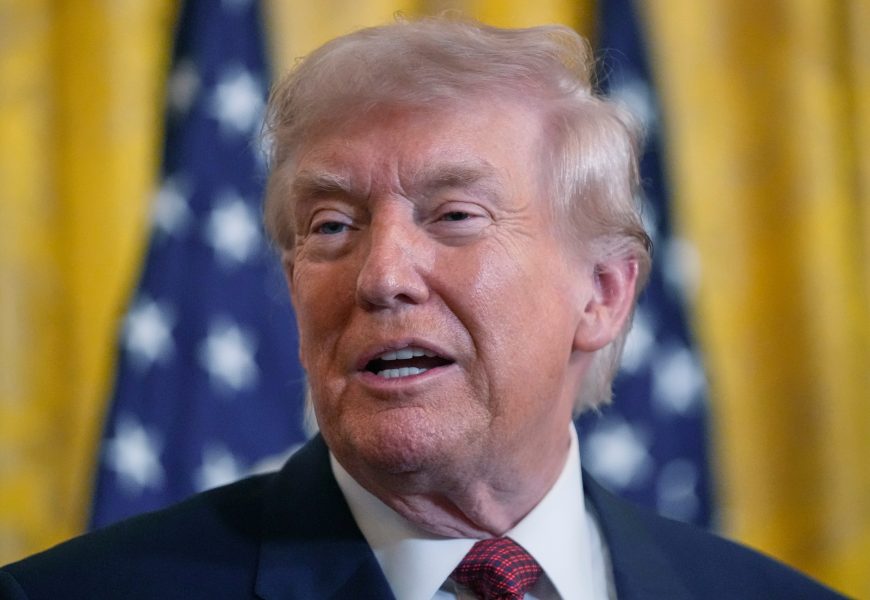
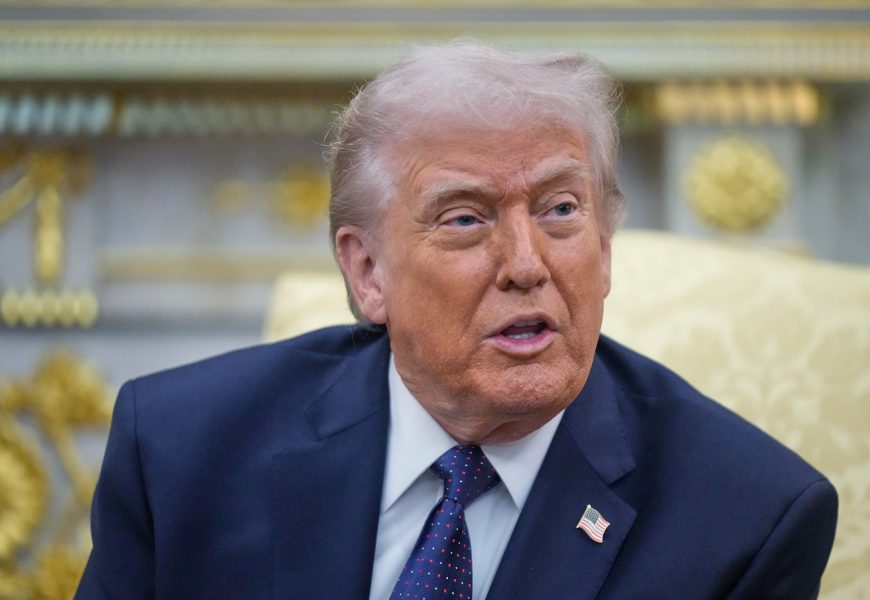
MOSCOW (AP) – The bid by U.S. President Donald Trump to take over Greenland heralds a “deep crisis” for NATO and raises questions about the alliance’s preservation as a single military-political bloc, Russia’s top diplomat said Tuesday. “It was hard to imagine before that such a thing could happen,” Foreign Minister Sergey Lavrov said at a news conference.
Russia’s top diplomat says NATO faces a deep crisis over Greenland
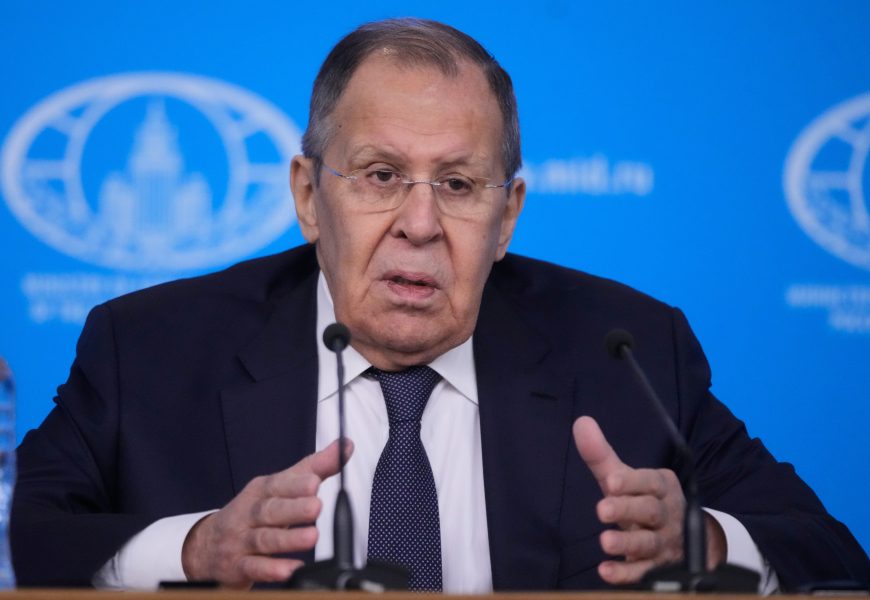
MOSCOW (AP) - The bid by U.S. President Donald Trump to take over Greenland heralds a "deep crisis" for NATO and raises questions about the alliance's preservation as a single military-political bloc, Russia's top diplomat said Tuesday.
"It was hard to imagine before that such a thing could happen," Foreign Minister Sergey Lavrov said at a news conference, noting it could create a scenario in which "one NATO member is going to attack another NATO member."
He said Trump's actions upended the Western concept of the "rule-based global order" that Russia has long criticized, even after Moscow sent troops into neighboring Ukraine nearly four years ago.
"Now it's not the Collective West writing the rules but just one its representative," Lavrov said sardonically. "It's a major upheaval for Europe, and we are watching it. The Euro-Atlantic concept of ensuring security and cooperation has discredited itself."
Denmark's control over Greenland was a vestige of the colonial past, Lavrov claimed.
"In principle, Greenland isn't a natural part of Denmark," he added.
At the same time, Lavrov strongly denied Trump's suggestions that Russia and China have any intentions to threaten the Arctic island.
"We have no relation to that," he said. "We are certainly watching this serious geopolitical situation and will make our conclusions when it's settled."
Speaking at an annual news conference on Moscow's foreign policy priorities, Lavrov also offered cautious approval of Trump's initiative to set up a Board of Peace. The organization initially was seen as a mechanism focused on ending the Israel-Hamas war in Gaza but is taking shape with ambitions to have a far broader mandate of other global crises, potentially rivaling the United Nations.
The Kremlin said that it was studying Trump's invitation to join the board and waiting to hear more details from Washington.
"This initiative reflects the U.S. understanding that even with the foreign policy philosophy it has it considers necessary to rally a group of nations that would cooperate with them," Lavrov said.
He praised Trump's initiatives to negotiate an end to fighting in Ukraine, describing the U.S. as the only Western country that has "expressed understanding of the need to take Russian interests into account and offered solutions taking into consideration the root causes of the crisis."
At the same time, Lavrov scolded Kyiv's European allies for trying to amend the U.S. proposals as the Ukrainian army facing a relentless Russian onslaught.
The top Russian diplomat argued that while the initial Trump's proposal that was accepted by President Vladimir Putin at their summit in Alaska envisioned protections for Russian speakers in Ukraine and Moscow-affiliated Ukrainian Orthodox Church, it was removed from the plan's latest version proposed by Kyiv and its European allies.
Moscow wouldn't accept such changes, he said.
"We won't allow the luxury of once again letting the Kyiv regime to take a break and rearm," Lavrov said.
He noted that while Moscow doesn't rule out contacts with European leaders, "most likely, we won't be able to agree with them on anything as they drove themselves too deeply into hating Russia."
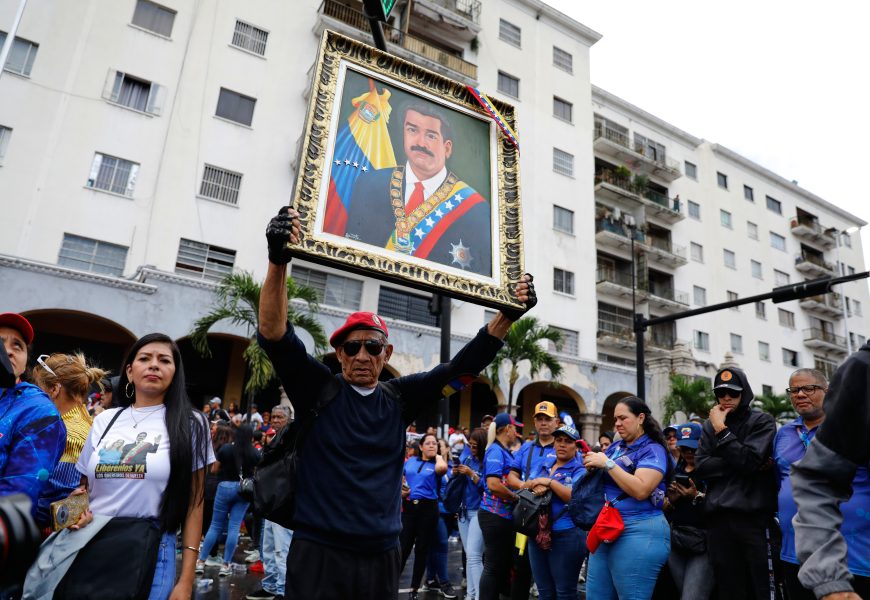
But Lavrov also criticized the U.S. for its capture of Venezuelan leader Nicolás Maduro, and his transfer to the U.S. to face drug trafficking charges in the U.S., calling it a "crude military intervention." He said Moscow is still waiting for the U.S. to make good on a promise to release two Russian crewmembers from a Russia-flagged tanker seized by the U.S. earlier this month, and he also noted U.S. threats to Cuba and other Latin American nations.
Lavrov noted Washington's refusal to accept Putin's proposal to respect the limits on nuclear weapons set by the New START arms control treaty for another year after it expires next month.
Russia is ready to continue dialogue with the U.S. on the basis of mutual respect for national interests, Lavrov said. He said that during U.S.-Russian talks in Riyadh in February, U.S. Secretary of State Marco Rubio emphasized the need for cooperation where their interests allow it and prevent disagreements from growing into a confrontation.
"I responded that I fully share this philosophy and logic," Lavrov said.
More Top Stories