°C
°C
 2
Min
2
Min
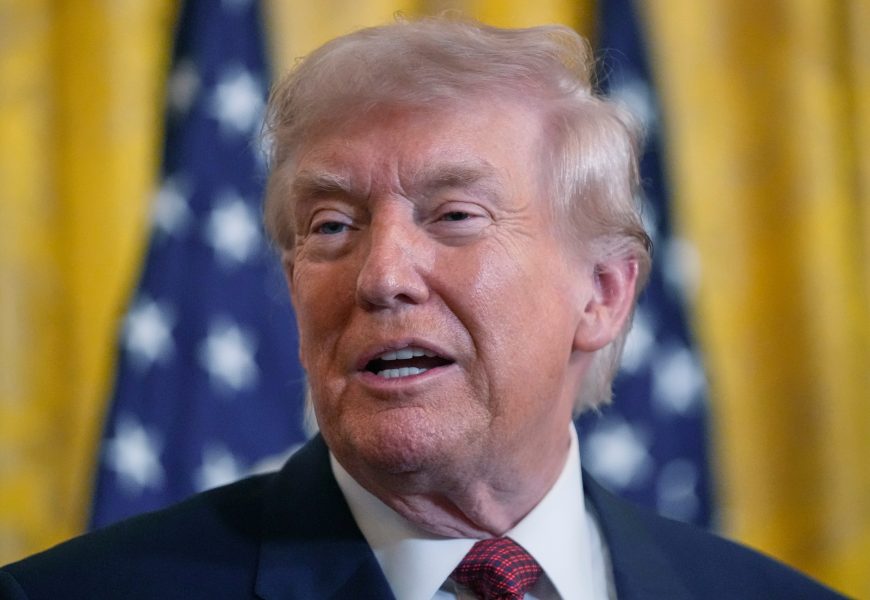
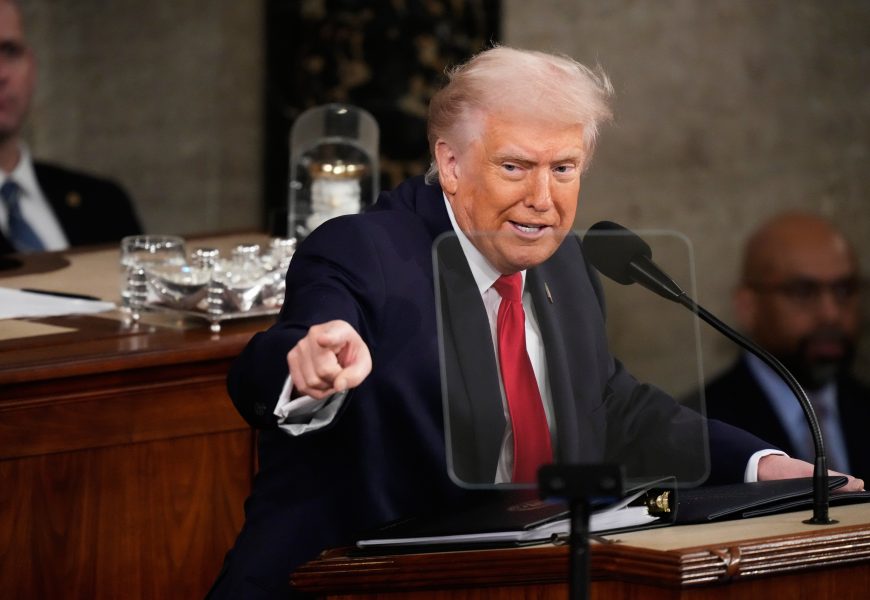
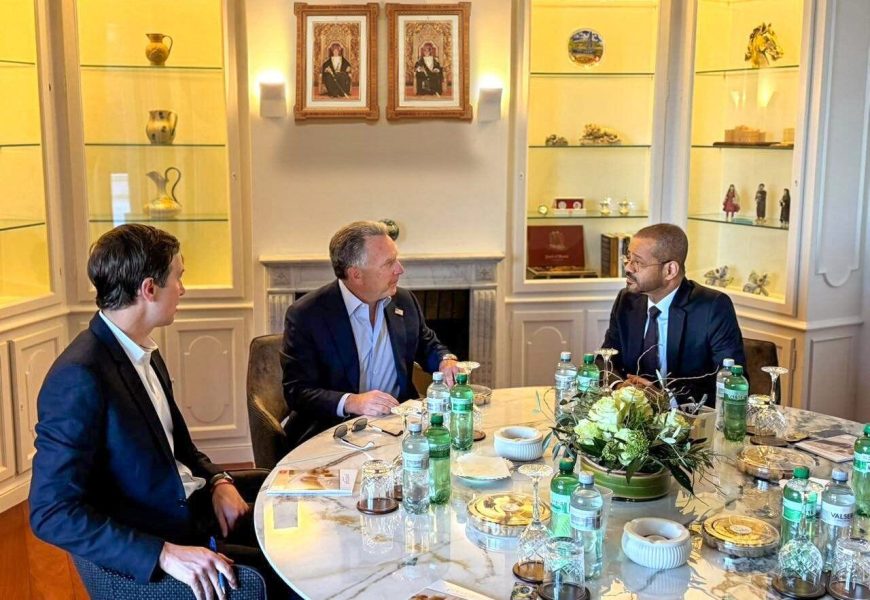
NEW YORK (AP) – The trial began this week of a Pakistani man who U.S. prosecutors say had ties to the Iranian government and traveled to New York to meet with men he thought he was recruiting to carry out political assassinations on American soil, including potentially of President Donald Trump.
Pakistani man is on trial over Trump assassination plot with ties to Iran, US prosecutors say
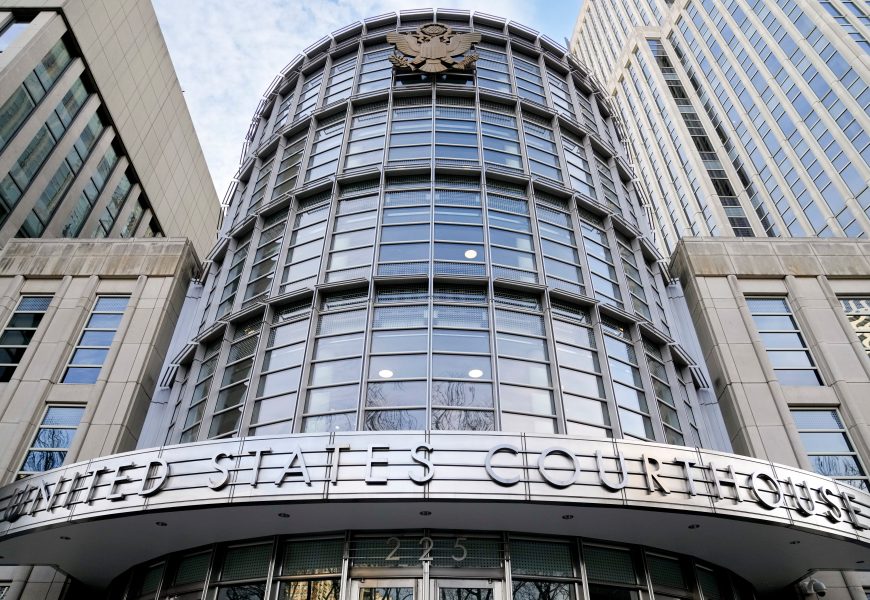
NEW YORK (AP) - The trial began this week of a Pakistani man who U.S. prosecutors say had ties to the Iranian government and traveled to New York to meet with men he thought he was recruiting to carry out political assassinations on American soil, including potentially of President Donald Trump.
Asif Merchant, 47, faces a life sentence if he's convicted of terrorism charges. His trial got underway Wednesday in a federal court in Brooklyn.
Prosecutors said in court filings that a man who Merchant initially met when he arrived in New York in April 2024 later notified authorities about the plot and became a confidential informant, The New York Times reported. Merchant later paid a $5,000 advance to two would-be assassins who were actually undercover FBI agents, prosecutors said.
At the time, Merchant did not specify who the target would be, but court filings show the potential targets included high-level officials such as Trump.
Merchant, who has maintained his innocence, is a deeply religious man who frequently traveled to Iran and Pakistan, where he has separate families, which his lawyers noted is legal in both countries he calls home. They told jurors Wednesday that there was simply not enough evidence to show their client was involved in some type of plot.
Prosecutors told jurors that Merchant sketched out his plans by putting objects on a hotel napkin to represent people and places in a potential assassination plot, including the target, crowd and buildings. The killing would have occurred during the run-up to the 2024 presidential election.
The FBI has foiled several alleged attacks through sting operations in which agents posed as terror supporters, supplying advice or equipment. Critics say the strategy can amount to entrapment of mentally vulnerable people who wouldn't have the wherewithal to act alone.
More Top Stories