°C
°C
 20
Min
20
Min
Excerpts from recent editorials in the United States and abroad:
Editorials from The New York Times, The Wall Street Journal, The Washington Post and others
Excerpts from recent editorials in the United States and abroad:
___
Jan. 1 - The Washington Post on Trump's new humanitarian aid package to the U.N.
The Trump administration will always couch even its most reasonable decisions in the most dramatic terms possible, and so it was with a State Department announcement that the U.S. would be sending a significantly smaller humanitarian aid package to the United Nations: "Individual U.N. agencies will need to adapt, shrink, or die."
The $2 billion announced this week is down from $3.8 billion in 2025 and a major reduction from America's contributions under President Joe Biden, which peaked at $17 billion in 2022. It's easy to write this off as a shortsighted America First policy, but in reality Washington is trying to channel the money to better advance national priorities and maximize effectiveness on the ground.
Jeremy Lewin, who oversees humanitarian funding at the State Department, calls the $2 billion "an initial anchor commitment" and expresses hope that it's "only the beginning" of a new funding model for U.N. aid.
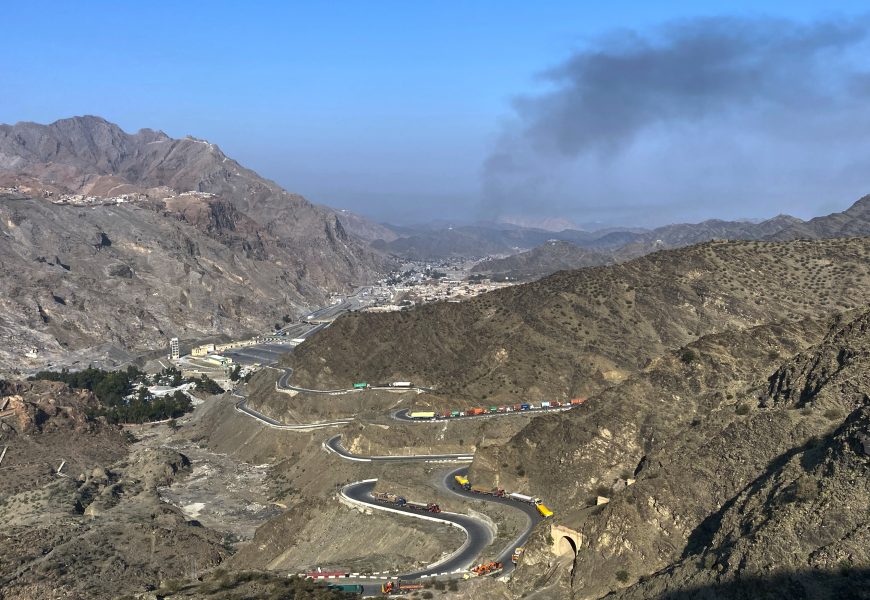
Importantly, the money comes with conditions, including a list of 17 countries that have been selected by the Trump administration to receive aid. Syria made the cut - no doubt helped by Syrian President Ahmed al-Sharaa's friendly November visit to the White House - while the U.N. has been instructed not to give any U.S. money to Afghanistan and Yemen, lest it fall into the hands of terrorists.
Even after scaling back support, the U.S. is expected to retain its status in 2026 as the world's biggest aid donor, which makes it hard for other countries to whine about the cutbacks. The U.N. secretary-general has instructed agencies under his umbrella to come up with plans to reduce their staffs by 20 percent.
Undoubtedly, the U.N. could benefit from cutting. For example, the World Food Program, U.N. Refugee Agency and U.N. International Children's Emergency Fund address the same crises in Sudan and Afghanistan.
The U.N. has also been the subject of repeated scandals. In 2024, the U.S. wisely cut off funding for the Palestinian relief arm (UNRWA) amid evidence that some of its workers participated in the Oct. 7 terror attacks. The U.N. also refuses to acknowledge China's reckless role as the originator of covid-19.
There's always a risk of overcorrection. A rollback of humanitarian aid in 2026 risks worsening refugee crises that America is directly affected by, including relief provided to fleeing Venezuelans. It also comes as the administration has slashed other direct aid programs, including dissolving the U.S. Agency for International Development - which oversaw public health programs around the world - and ending bilateral aid support to countries such as South Africa.
Countries, or billionaire philanthropists, howling about the cuts can always step up and fill the void. If China wants to act like a world leader, there's nothing stopping Xi Jinping from chipping in more to support institutions like the U.N.
ONLINE: https://www.washingtonpost.com/opinions/2026/01/01/united-nations-funding-aid-trump-peacekeeping/
___
Jan. 3 - The New York Times says Trump's attack on Venezuela is illegal and unwise
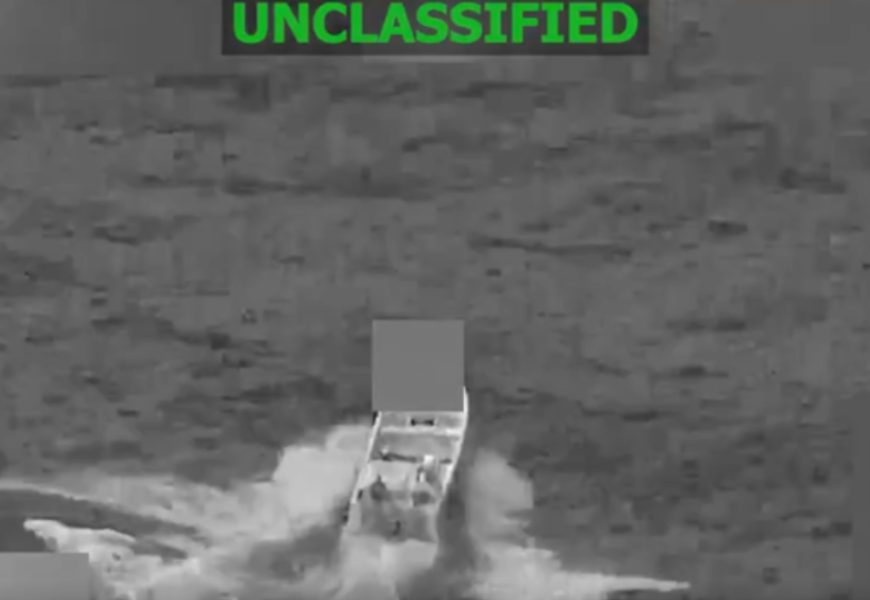
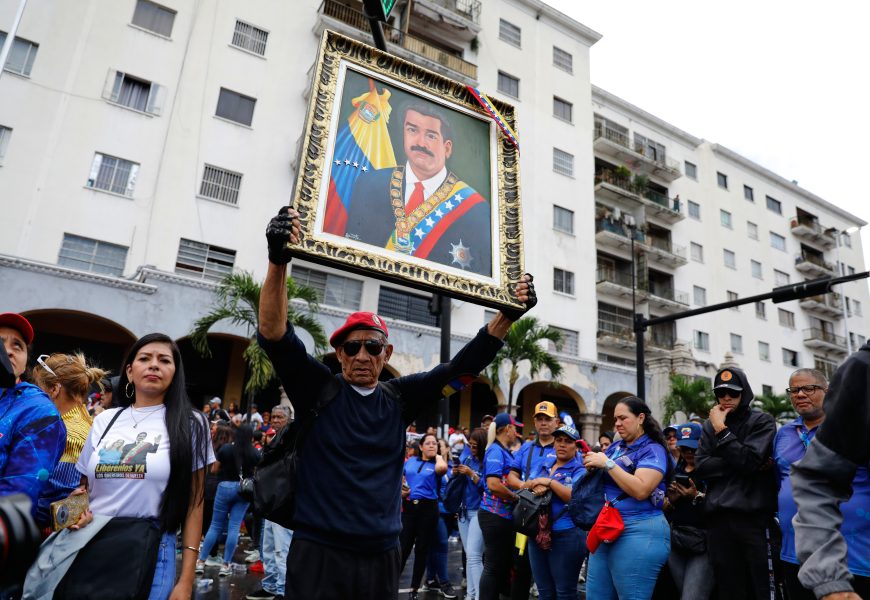
Over the past few months, President Trump has deployed an imposing military force in the Caribbean to threaten Venezuela. Until recently, the president used that force - an aircraft carrier, at least seven other warships, scores of aircraft and 15,000 U.S. troops - for illegal attacks on small boats that he claimed were ferrying drugs. On Saturday, Mr. Trump dramatically escalated his campaign by capturing President Nicolás Maduro of Venezuela as part of what he called "a large scale strike" against the country.
Few people will feel any sympathy for Mr. Maduro. He is undemocratic and repressive, and has destabilized the Western Hemisphere in recent years. The United Nations recently issued a report detailing more than a decade of killings, torture, sexual violence and arbitrary detention by henchmen against his political opponents. He stole Venezuela's presidential election in 2024. He has fueled economic and political disruption throughout the region by instigating an exodus of nearly eight million migrants.
If there is an overriding lesson of American foreign affairs in the past century, however, it is that attempting to oust even the most deplorable regime can make matters worse. The United States spent 20 years failing to create a stable government in Afghanistan and replaced a dictatorship in Libya with a fractured state. The tragic consequences of the 2003 war in Iraq continue to beset America and the Middle East. Perhaps most relevant, the United States has sporadically destabilized Latin American countries, including Chile, Cuba, Guatemala and Nicaragua, by trying to oust a government through force.
Despite this history, Mr. Trump seemed to commit the United States to a nation-building project in Venezuela. "We are going to run the country until such time as we can do a safe, proper and judicious transition," he said in a news conference on Saturday. He offered almost no details. He has not even offered a coherent explanation for his actions in Venezuela. If Mr. Trump wants to make the case for an invasion and a takeover of another country, the Constitution spells out what he must do: Go to Congress. Without congressional approval, his actions violate U.S. law.
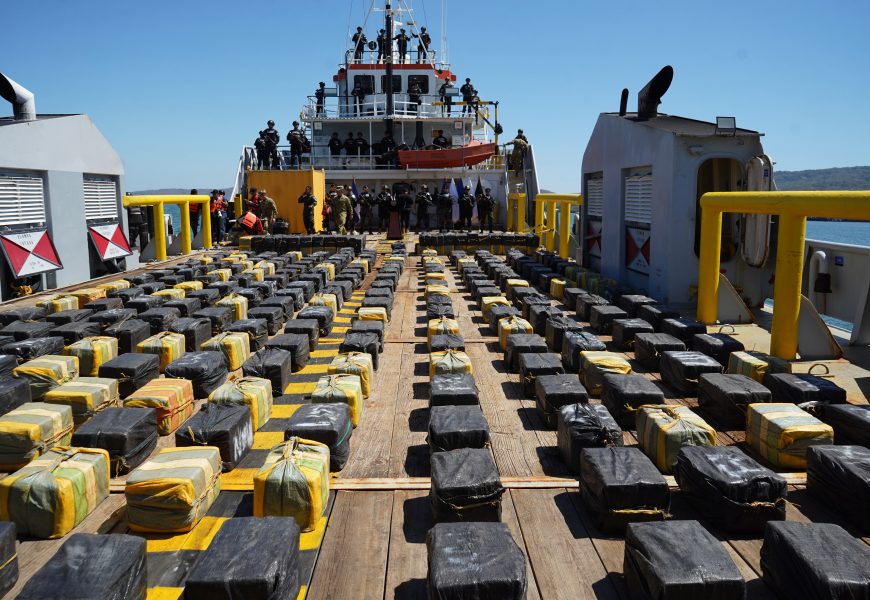
The nominal rationale for the administration's military adventurism is to destroy "narco-terrorists." Governments throughout history have labeled the leaders of rival nations as terrorists, seeking to justify military incursions as policing operations. The claim is particularly ludicrous in this case, given that Venezuela is not a meaningful producer of fentanyl or the other drugs that have dominated the recent epidemic of overdoses in the United States, and the cocaine that it does produce flows mostly to Europe. While Mr. Trump has been attacking Venezuelan boats, he also pardoned Juan Orlando Hernández, who ran a sprawling drug operation when he was president of Honduras from 2014 to 2022.
A more plausible explanation for the attacks on Venezuela may instead be found in Mr. Trump's recently released National Security Strategy. It claimed the right to dominate Latin America: "After years of neglect, the United States will reassert and enforce the Monroe Doctrine to restore American pre-eminence in the Western Hemisphere." In what the document called the "Trump Corollary," the administration vowed to redeploy forces from around the world to the region, stop traffickers on the high seas, use lethal force against migrants and drug runners and potentially base more U.S. troops around the region.
Venezuela has apparently become the first country subject to this latter-day imperialism, and it represents a dangerous and illegal approach to America's place in the world. By proceeding without any semblance of international legitimacy, valid legal authority or domestic endorsement, Mr. Trump risks providing justification for authoritarians in China, Russia and elsewhere who want to dominate their own neighbors. More immediately, he threatens to replicate the American hubris that led to the invasion of Iraq in 2003.
As a presidential candidate, Mr. Trump seemed to recognize the problems with military overreach. In 2016, he was the rare Republican politician to call out the folly of President George W. Bush's Iraq war. In 2024, he said: "I'm not going to start a war. I'm going to stop wars."
He is now abandoning this principle, and he is doing so illegally. The Constitution requires Congress to approve any act of war. Yes, presidents often push the boundaries of this law. But even Mr. Bush sought and received congressional endorsement for his Iraq invasion, and presidents since Mr. Bush have justified their use of drone attacks against terrorist groups and their supporters with a 2001 law that authorized action after the Sept. 11 attacks. Mr. Trump has not even a fig leaf of legal authority for his attacks on Venezuela.
Congressional debates over military action play a crucial democratic role. They check military adventurism by forcing a president to justify his attack plans to the public and requiring members of Congress to tie their own credibility to those plans. For years after the vote on the Iraq war, Democrats who supported Mr. Bush, including Hillary Clinton and John Kerry, paid a political price, while those who criticized the war, like Bernie Sanders and Barack Obama, came to be seen as prophetic.
In the case of Venezuela, a congressional debate would expose the thinness of Mr. Trump's rationale. His administration has justified his attacks on the small boats by claiming they pose an immediate threat to the United States. But a wide range of legal and military experts reject the claim, and common sense refutes it, too. An attempt to smuggle drugs into the United States - if, in fact, all the boats were doing so - is not an attempt to overthrow the government or defeat its military.
We suspect Mr. Trump has refused to seek congressional approval for his actions partly because he knows that even some Republicans in Congress are deeply skeptical of the direction in which he is leading this country. Before the recent seizure of Mr. Maduro, Senators Rand Paul and Lisa Murkowski and Representatives Don Bacon and Thomas Massie - Republicans all - backed legislation that would limit Mr. Trump's military actions against Venezuela.
A second argument against Mr. Trump's attacks on Venezuela is that they violate international law. By blowing up the small boats that Mr. Trump says are smuggling drugs, he has killed people based on the mere suspicion that they have committed a crime and given them no chance to defend themselves. The Geneva Conventions of 1949 and every subsequent major human rights treaty prohibit such extrajudicial killings. So does U.S. law.
The administration appears to have killed defenseless people. In one attack, the Navy fired a second strike against a hobbled boat, about 40 minutes after the first attack, killing two sailors who were clinging to the boat's wreckage and appeared to present no threat. As our colleague David French, a former U.S. Army lawyer, has written, "The thing that separates war from murder is the law."
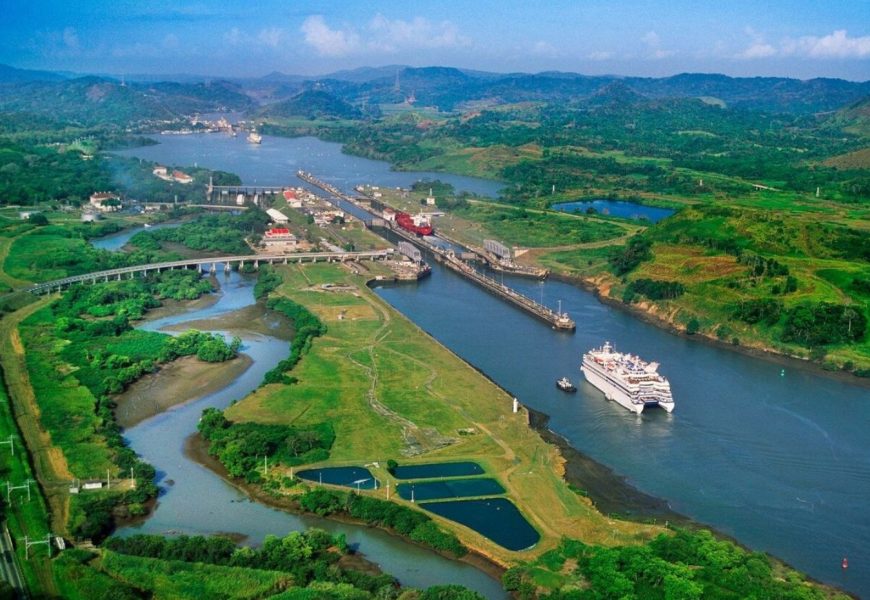
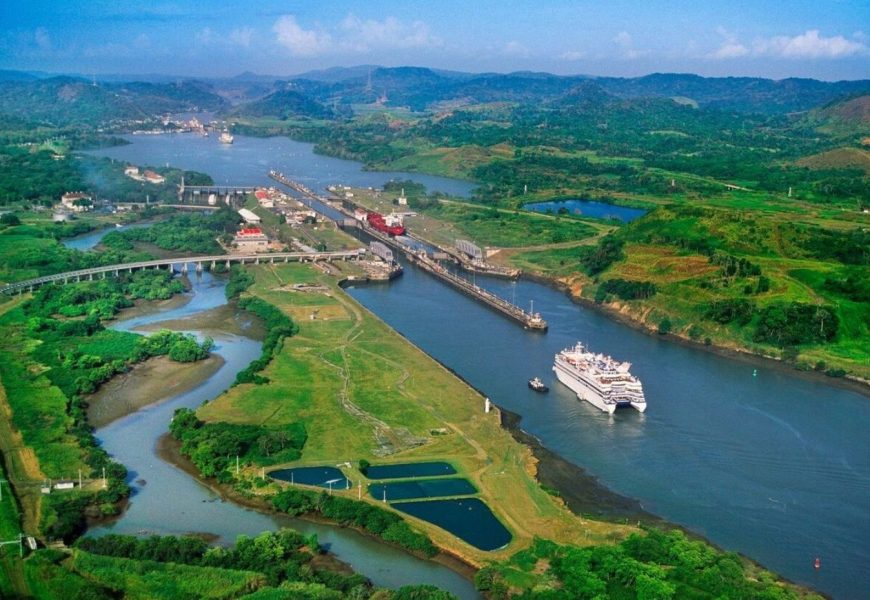
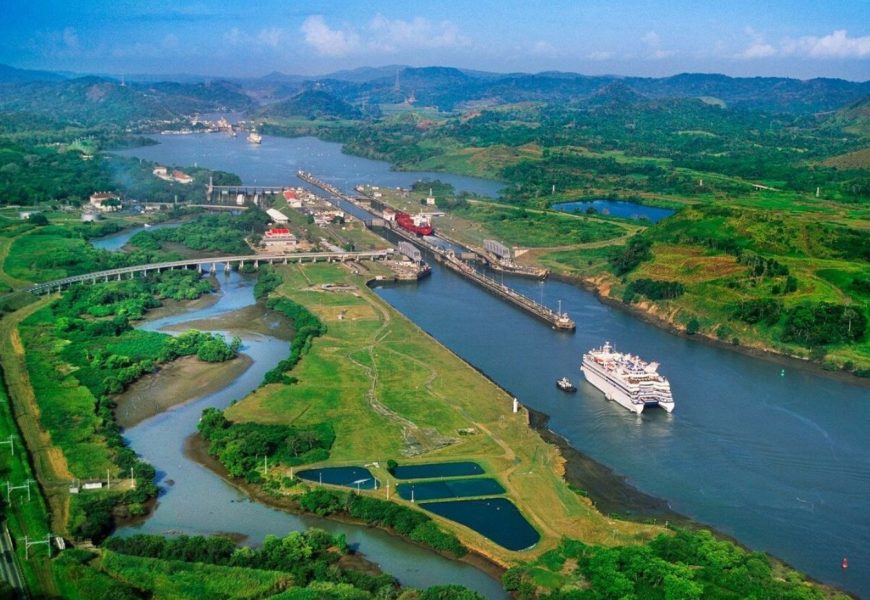
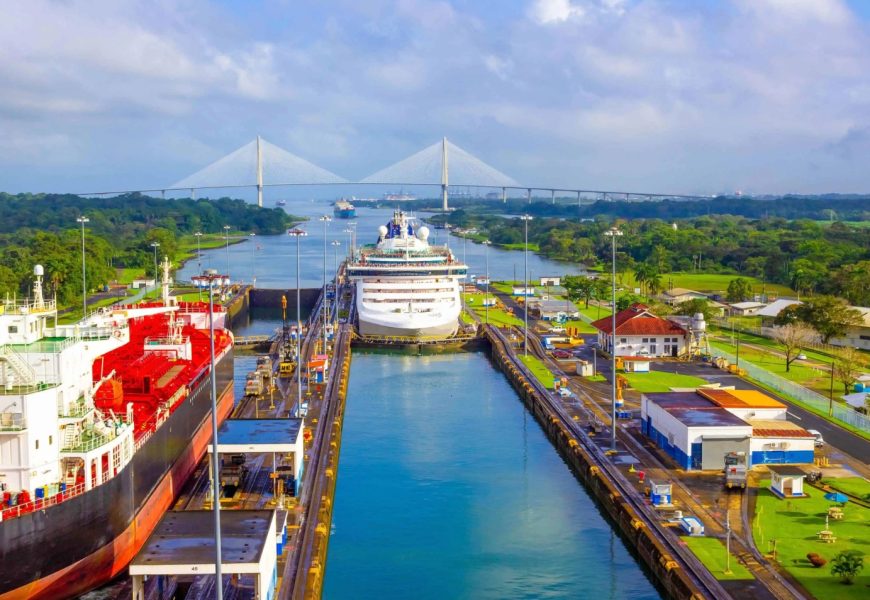
The legal arguments against Mr. Trump's actions are the more important ones, but there is also a cold-eyed realist argument. They are not in America's national security interest. The closest thing to an encouraging analogy is President George H.W. Bush's invasion of Panama 36 years ago last month, which drove the dictator Manuel Noriega from power and helped set Panama on a path toward democracy. Yet Venezuela is different in important ways. Panama is a much smaller country, and it was a country where American officials and troops had operated for decades because of the Panama Canal.
The potential for chaos in Venezuela seems much greater. The generals who enabled Mr. Maduro's regime will not suddenly vanish. Nor are they likely to hand power to María Corina Machado, the opposition figure whose movement appears to have won the country's most recent election and who accepted the Nobel Peace Prize last month.
Among the possible bad outcomes are a surge in violence by a left-wing Colombian military group, the ELN, which has a foothold in Venezuela's western area, or by the paramilitary groups known as "colectivos" that have operated on the periphery of power under the Maduro dictatorship. Further unrest in Venezuela could unsettle global energy and food markets and drive more migrants throughout the hemisphere.
So how should the United States deal with the continuing problem that Venezuela poses to the region and America's interests? We share the hopes of desperate Venezuelans, some of whom have made a case for intervention. But there are no easy answers. By now, the world should understand the risks of regime change.
We will hold out hope that the current crisis will end less badly than we expect. We fear that the result of Mr. Trump's adventurism is increased suffering for Venezuelans, rising regional instability and lasting damage for America's interests around the world. We know that Mr. Trump's warmongering violates the law.
ONLINE: https://www.nytimes.com/2026/01/03/opinion/venezuela-attack-trump-us.html
___
Jan. 2 - The Wall Street Journal says Trump stands with protester in Iran
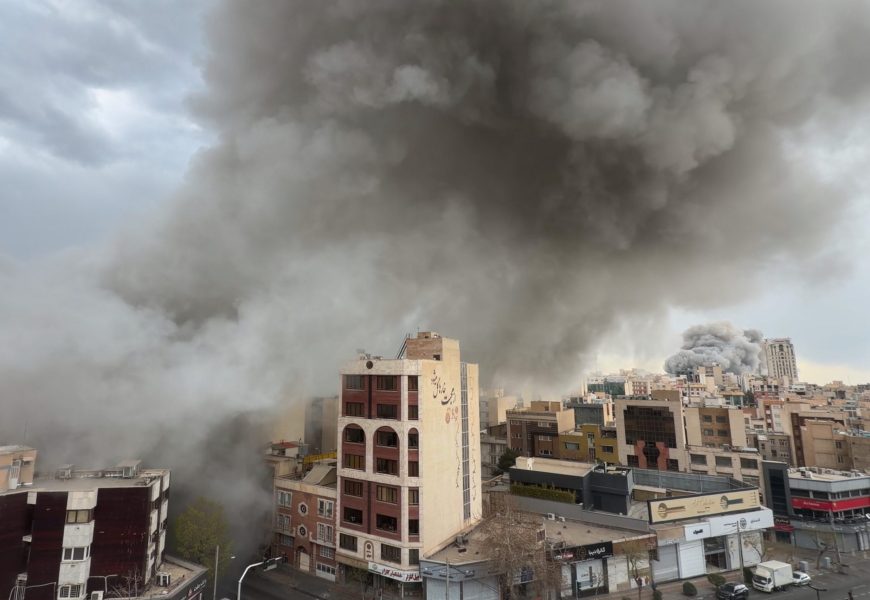
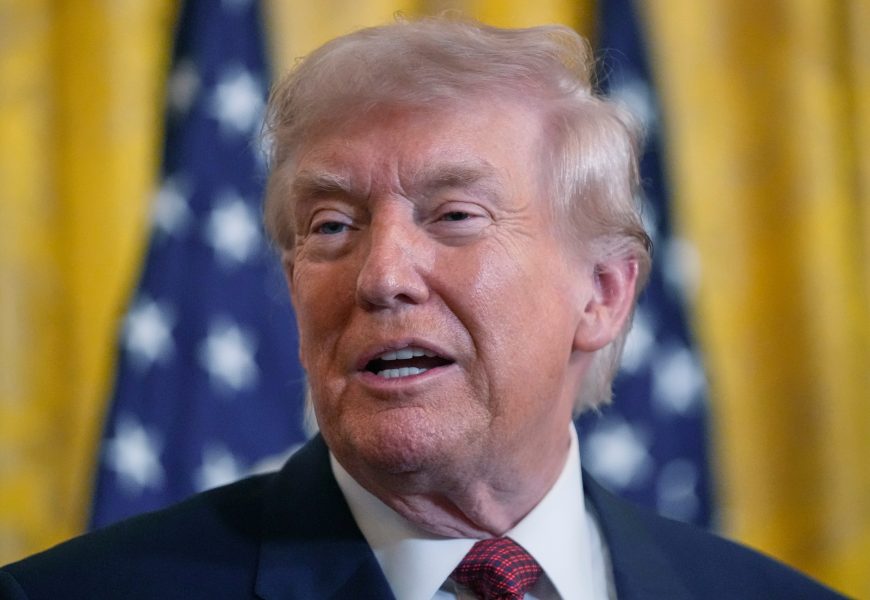
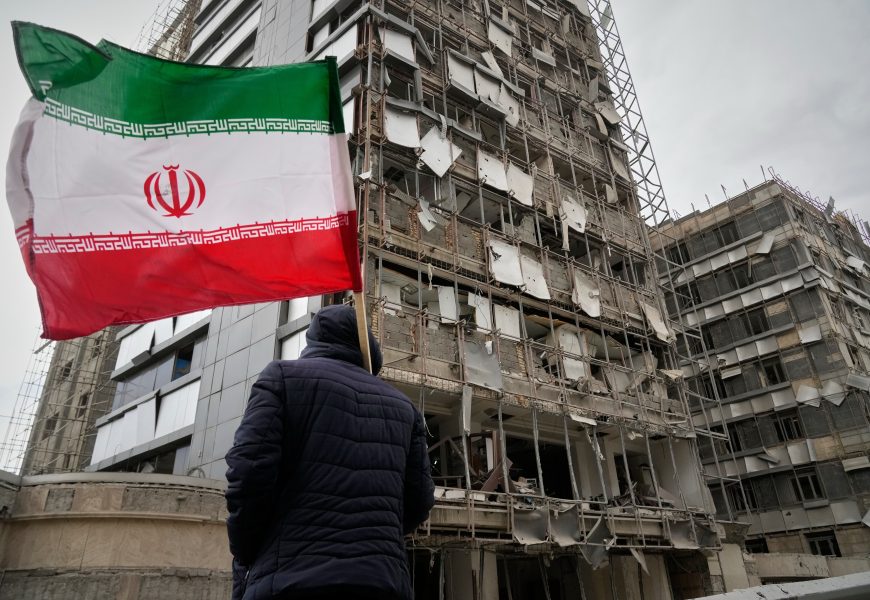
Protests in Iran are growing against the despotic regime, and on Friday President Trump declared American solidarity with the protesters. "If Iran shots (sic) and violently kills peaceful protesters, which is their custom," Mr. Trump wrote on Truth Social, "the United States of America will come to their rescue. We are locked and loaded and ready to go."
The words lacked diplomatic subtlety, but the mullahs in Tehran got the message. Top Iranian officials issued frantic statements in response, and the press now has reason to pay more attention to the protests. Iran's security forces have killed at least eight protesters and arrested many more.
What began a week ago with Tehran shopkeepers has spread nationwide and hardened into anti-regime demonstrations. Iranians know the source of their economic plight. The Islamic Republic has made Iran a pariah and deprived its people-and for what? A nuclear program and terrorist proxy empire? Both now lie in ruins.
Mr. Trump's contrast with Barack Obama couldn't be greater. Mr. Obama stayed mute in 2009 while the regime put down protests following a rigged election. Then again, Mr. Obama never would have joined with Israel to bomb Iran's nuclear program, as Mr. Trump did in June.
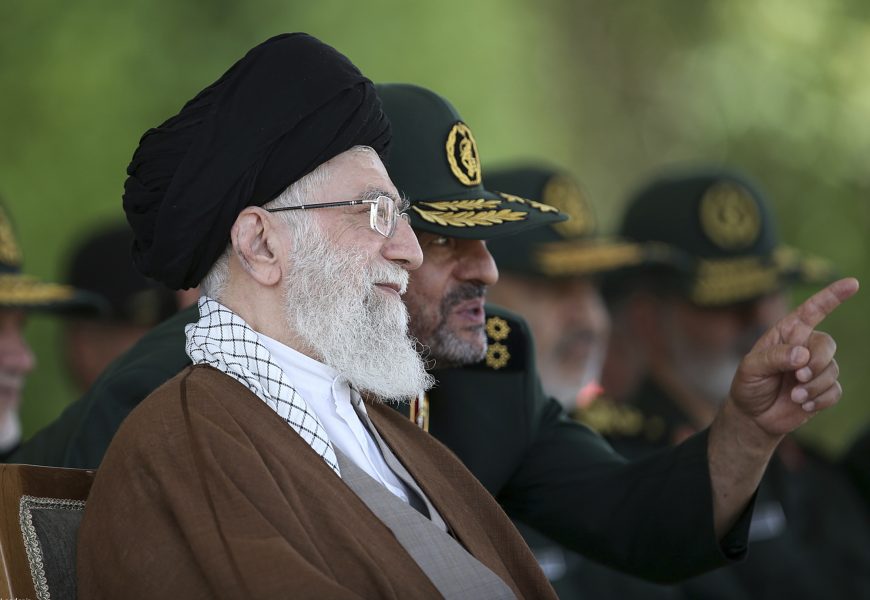
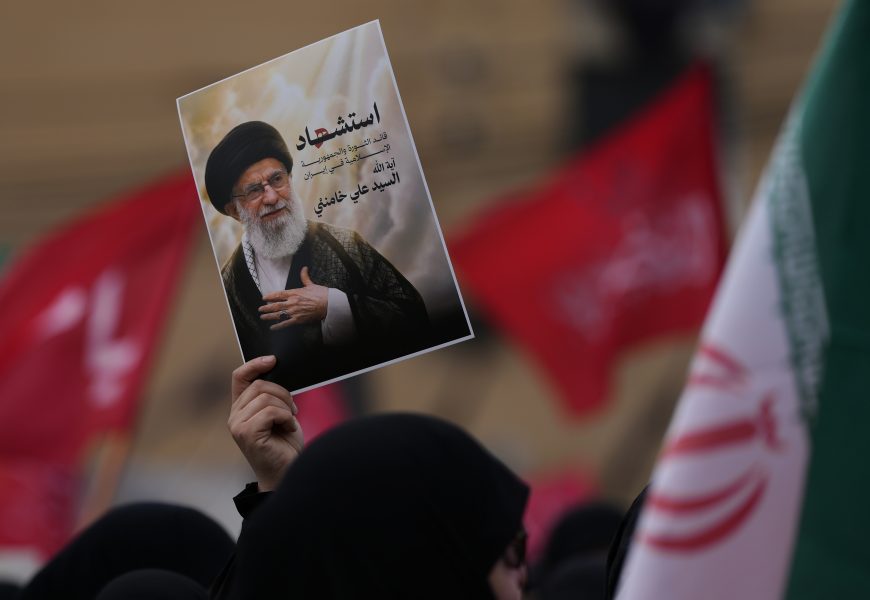
Saturday is the anniversary of Mr. Trump's 2020 strike that killed Gen. Qassem Soleimani, the architect of Iran's terror empire. Ayatollah Ali Khamenei can't be confident that Mr. Trump won't follow through on his latest threat.
Mr. Trump's words imply the use of military force, but this seems unlikely to go beyond what's left of the nuclear program or the ballistic-missile program he threatened on Monday. In June only Israel attacked Iran's apparatus of repression.
The President has other options to support Iranians. The U.S. can help protesters with strike funds and communications, extending Starlink access or virtual private networks when the regime cuts off the internet. The U.S. can also expose regime thugs and cripple their communications, while encouraging defections.
Above all, Mr. Trump can enforce oil sanctions as he now is doing in Venezuela. When Iran's "shadow fleet" can no longer take discounted crude to China, the regime will know he meant what he said. Iran is exporting two million barrels a day-20 times the "maximum pressure" target set out by Treasury Secretary Scott Bessent in February.
The Islamic Republic is ideologically bankrupt, pushing Iranians away from Islam, and it has run Iran's economy into the ground. There have been false dawns of protest before, but Iran's regime is vulnerable. As the protest waves build, they expose the regime's dependence on fear and violence.
___
Jan. 4 - The Boston Globe says an apparent lack of post-Maduro planning could be troublesome
How do you do regime change without changing the regime?
That is the conundrum facing President Trump following his announcement that the United States would run the government of Venezuela "until such time as a proper transition can take place" - date TBD. Coming from a president who has mocked American military occupations in Iraq and Afghanistan, Trump's declaration was almost as surprising as the lightening-strike operation itself, which led to the arrest of Venezuela's autocratic president, Nicholas Maduro, on drug trafficking charges.
Set aside for a moment very legitimate questions about whether the invasion violated international law. Or whether it was ill advised for the administration to conduct a high-risk raid without first notifying the Congressional leaders who ultimately must support funding an occupation. (Trump insists they could not be trusted to keep mum.)
What seems most perplexing about the Trump administration's still vague strategy is that it apparently doesn't include what might have been its strongest selling point: Installing the widely supported Venezuelan opposition to govern Venezuela post-Maduro.
That opposition, led by Maria Corina Machado, the 2025 winner of the Nobel Peace Prize, overwhelmingly won national elections in 2024 even after Maduro's government barred Machado from running. When her replacement on the ballot, Edmundo González, handily won the presidency, Maduro, without evidence, declared the results invalid.
Yet for reasons that remain unexplained, Trump declared on Saturday that Machado "doesn't have the support within or the respect within the country." That means his occupation strategy rests on the cooperation of the rump Maduro regime led by Maduro's former vice president, Delcy Rodríguez, who has called Maduro's arrest "illegal" and "shameful."
"If there is something the Venezuelan people will never be again, it is slaves, or the colony of an empire," Rodriguez said on Saturday while flanked by other Maduro cronies who have carried out the regime's oppressive policies, including the defense minister and head of the national police.
How then does Trump expect to bend an entire country's government to his will without placing a significant number of US troops and civilian officials in harms way, a la Iraq 2003? Does he really believe that the US oil industry can undertake the long, complicated, and very expensive process of rebuilding Venezuela's petroleum infrastructure without the support of a stable government in Caracas? Or that Maduro loyalists won't work tirelessly to sabotage American plans?
Indeed, does he even have an actual strategy for a post-Maduro Venezuela? Or were his remarks on Saturday another case of the president free-associating in public? (Secretary of State Marco Rubio appeared to backtrack on Sunday, saying the United States would not in fact run Venezuela but would use an oil quarantine to pressure the country's government.)
What is perhaps most infuriating about the Trump administration's heedlessness is that plenty of people around the world are glad to see Maduro gone, including many of the Venezuelans he has driven into exile. Since Maduro assumed power with the death of his patron, Hugo Chavez, in 2013, his authoritarian and inept government has oppressed and impoverished the country, leaving a once prosperous oil industry in shambles and driving nearly 8 million people to flee.
Leave it to Trump, then, to step on his own applause lines by denigrating Machado and making the entire operation sound like a favor to American petroleum companies. "Our very large United States oil companies, the biggest anywhere in the world," Trump said on Saturday, will "spend billions of dollars, fix the badly broken infrastructure, the oil infrastructure and start making money for the country." Did he mean Venezuela, the United States, or both? Hard to tell.
Some Trump critics speculate that the president has refused to endorse Machado because he resents her winning the Nobel Peace Prize instead of him. Maybe. But he might also recognize that an actually democratic government would be harder to control than an autocratic one that is motivated first and foremost by fear of being killed by the US military.
Trump himself on Saturday noted that there would be a "second wave" of military action if the United States runs into resistance.
As military operations go, Saturday's takedown was spectacular. In just a matter of hours, American commandos backed by scores of aircraft swooped into a heavily fortified Venezuelan military base and extracted Maduro and his wife without a single American death.
But if we have learned anything from Trump 2.0, it is that this president too often turns first to the military to accomplish his goals, domestic or international. Yet even seasoned military officers will tell you that the military should be just one tool - think hammer - for accomplishing a government's aims. Competent diplomats, bureaucrats, subject-matter experts, and NGOs are essential, too.
It is not impossible that the administration will correct its course and make the Venezuelan opposition a center piece of a post-Maduro government. Until then, the world is stuck with the consequences of a regime that has lost its leader but lives stubbornly on.
ONLINE: https://www.bostonglobe.com/2026/01/04/opinion/venezuela-trump-regime-change/
___
Jan. 4 - The Guardian says capture of Maduro, America acting as a rogue state, will have wide-spread repercussions
Amid the immense confusion surrounding the US strikes on Venezuela, the seizure of the president, Nicolás Maduro, and Donald Trump's announcement that the US will "run" the country and "take back the oil", one thing is clear - they set a truly chilling precedent. The US has a grim history of interference, invasion and occupation in the region, but the early hours of Saturday saw its first major military attack on South American land. "American dominance in the western hemisphere will never be questioned again," Mr Trump declared. The decision to unilaterally attack another country and abduct its leader - days after he publicly sought an off-ramp - has still wider repercussions. It should alarm us all.
Venezuelans have endured a repressive, kleptocratic and incompetent regime under Mr Maduro, widely believed to have stolen the last election. They now face profound uncertainty at best. Mr Trump has suggested that Mr Maduro's deputy, Delcy Rodríguez, would follow US instructions, and dismissed the rightwing opposition leader and Nobel prize-winner María Corina Machado as a plausible replacement. But Ms Rodríguez, now interim president, has so far struck a defiant tone - and other parts of the decapitated regime are more hardline.
A man who won power promising to abandon foreign wars now says he is "not afraid of boots on the ground". Rebranding the Department of Defense as the Department of War was more than posturing. He does not see the world's superpower as policeman; he is turning it into a rogue state. He believes the US's might allows it to do as it wishes with minimal cost: witness the strikes on Nigeria, on Iran's nuclear facilities and elsewhere. He promises that Venezuelan oil means this latest episode "won't cost us a penny".
George W Bush invaded Iraq on a lie. But this illegal attack came without UN resolutions of any kind or congressional approval; Democrats were not even informed and say they were actively misled in briefings. Mr Trump doesn't seek to bend international norms, but to destroy them. Put aside the message this sends to Vladimir Putin, Xi Jinping and others, and ask where the US itself is heading. While the raid reportedly killed 40 Venezuelans, including civilians, no US personnel died. Mr Trump's growing sense of invincibility will surely embolden further adventurism. He has not ruled out military action over Greenland and told Fox News: "Something is going to have to be done with Mexico."
No one buys the pretext that this is about drugs. Venezuela is only a minor conduit for cocaine; Mr Trump recently pardoned the former Honduran president Juan Orlando Hernández for drugs and weapons crimes. And Mr Trump himself made it clear that he is driven by the lure of oil as well as machismo, the ideology of some in his administration, and the desire for glory as domestic popularity wanes.
The global reaction, especially in Europe, has - with honourable exceptions - been shockingly muted. That's not due to Mr Maduro's sins, but fear of Mr Trump's wrath. The strong reaction from the UN's secretary general, António Guterres, was welcome, but this episode underscores the institution's growing irrelevance. Mr Trump's anti-interventionist domestic base could yet press him to turn attention back home - but soaring healthcare premiums, economic unhappiness and the Epstein files increase his appetite for distraction.
We are not yet 12 months in to his four-year term. Sir Keir Starmer and others may regret it if they stay silent now, given what - and who - could be next.
Related Stories


More Top Stories