°C
°C
 3
Min
3
Min
FRANKFURT, Germany (AP) – Prolonged disruption of energy supplies from the Middle East due to the Iran war would deal a severe blow to the global economy, sending some countries into recession and spreading inflation and higher unemployment, the Organization for Economic Cooperation and Development said in a report Wednesday.
Report: Disruption of Mideast energy supplies into next year would slam global economy


FRANKFURT, Germany (AP) - Prolonged disruption of energy supplies from the Middle East due to the Iran war would deal a severe blow to the global economy, sending some countries into recession and spreading inflation and higher unemployment, the Organization for Economic Cooperation and Development said in a report Wednesday.
Hardest hit would be Asian economies that depend on crude oil, fuel and natural gas from the Persian Gulf, supplies that have been largely choked off by the closure of the Strait of Hormuz due to the risk of Iranian attack. And poorer countries where people spend more of their incomes on fuel and food would also be severely affected, the OECD said.
But the consequences of sharply higher energy prices and inflation would be felt around the world. Global growth would slump to levels not seen except for major setbacks like the COVID-19 pandemic and the global financial crisis and recession of the late 2000s. Under the OECD's prolonged disruption scenario, global growth slows from 3.4% last year to 2.1% this year and 1.8% in 2027, potentially pushing some economies into or close to recession.
Under a different OECD scenario for a time-limited disruption, in which energy production and shipments from the Gulf start to return to pre-war levels in the middle of this year, growth would slow to 2.8% this year and rebound to 3.1% next year.
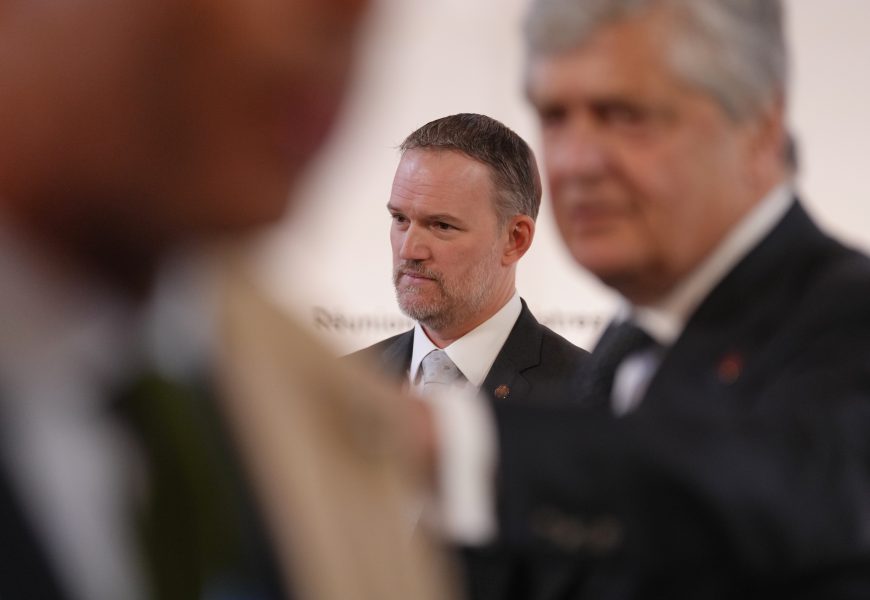
"The global economy entered 2026 with robust momentum, but the outlook has weakened significantly since the start of the conflict in the Middle East, with effects likely to be felt for some time," OECD Secretary-General Mathias Cormann said. "The longer the disruptions last, the larger the economic and social costs become."
Cormann warned that government spending aimed at relieving energy costs needed to be aimed at those most in need and temporary, to avoid running up excess government debt and preserving incentives to save energy.
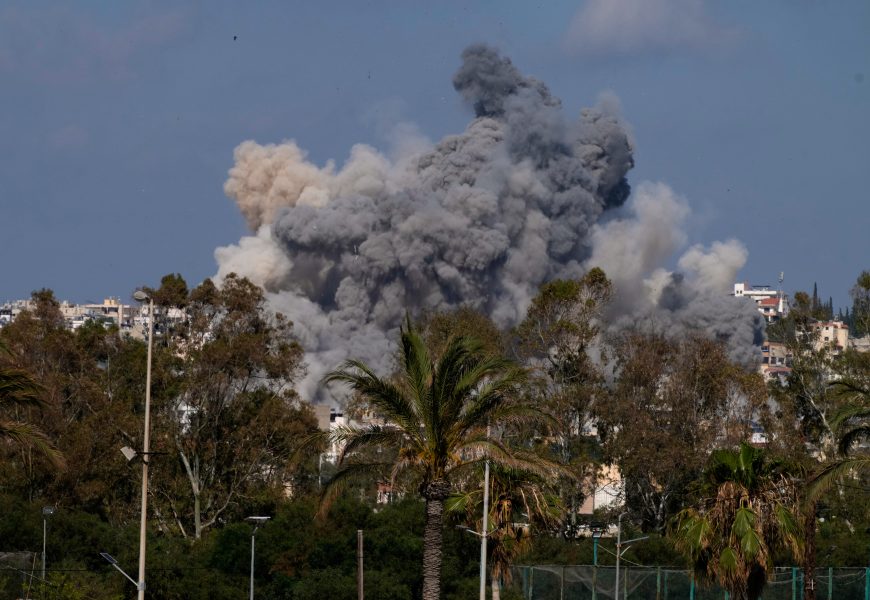
Despite repeated outbreaks of violence, a declared ceasefire in the war between the US and Iran remains officially in place. The ongoing risk to shipping however means that traffic through the Strait of Hormuz has dwindled to a trickle, down more than 90% compared to before the war. That has disrupted about a fifth of the world's supplies of crude oil and fuel products as well as of natural gas.
The OECD report follows a UN study warning that higher energy prices will impact almost billion people in poorer countries and small island states that depend on imported fuel, forcing tradeoffs between covering energy bills and investing in essential public services. More than 30% of people in those countries already live below the extreme poverty line, defined as living on $3 or less a day.
The OECD is an international intergovernmental organization and policy forum of 38 democracies with market-based economies, headquartered in Paris.
More Top Stories