°C
°C
 2
Min
2
Min
Aramco, the world’s largest oil company, reported Sunday that its first quarter profits jumped 25% over last year, as it increased exports by using a pipeline that avoids shipping through the Strait of Hormuz, which has been disrupted by the Iran war.
Saudi oil giant Aramco sees Q1 profits rise 25% by shifting exports to its East-West Pipeline
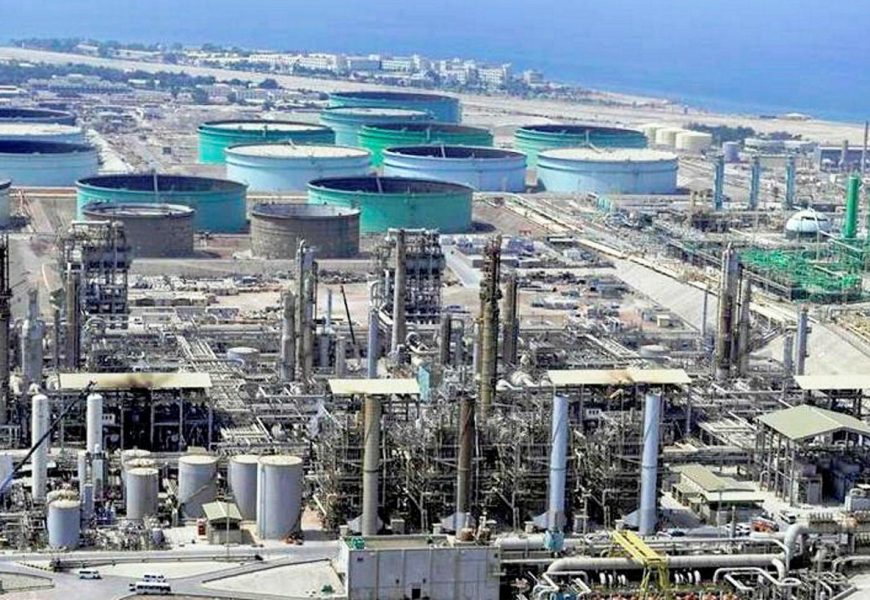

Aramco, the world's largest oil company, reported Sunday that its first quarter profits jumped 25% over last year, as it increased exports by using a pipeline that avoids shipping through the Strait of Hormuz, which has been disrupted by the Iran war.
Formally known as the Saudi Arabian Oil Co., Aramco reported a profit of $32.5 billion for the quarter ending March 31. The state-owned company had reported a 12% decline in annual profits in 2025.
"Aramco's first-quarter performance reflects strong resilience and operational flexibility in a complex geopolitical environment," Aramco President and CEO Amin H. Nasser said in a statement, adding that the company's East-West Pipeline, which runs across Saudi Arabia from its Eastern oil fields to the Red Sea, is now operating at its maximum capacity of 7 million barrels of oil per day. Nasser said the pipeline is "helping to mitigate the impact of a global energy shock and providing relief to customers."
However, it cannot replace the capacity lost to the shipping disruption in the Strait of Hormuz. Before the war, 20% of the world's traded oil typically flowed through the strait every day, as well as large supplies of natural gas, fertilizer and other petroleum products.
Iran effectively seized control of the critical waterway after the U.S. and Israel attacked it on Feb. 28 and a U.S. naval blockade imposed last month also complicates its use.
"Recent events have clearly demonstrated the vital contribution of oil and gas to energy security and the global economy, and are a stark reminder that reliable energy supply is critical," Nasser said in a statement. "Despite these headwinds, Aramco remains focused on its strategic priorities and is leveraging both its domestic infrastructure and its global network to navigate disruption."
More Top Stories