°C
°C
 3
Min
3
Min
WELLINGTON, New Zealand (AP) – Australia identified a neo-Nazi network as the second organization being banned under its new law criminalizing hate groups and support for them. The group, formerly known as the National Socialist Network and sometimes called White Australia, said it would disband after the government in January passed the law allowing certain organizations to be banned.
Australia bans a neo-Nazi network under new law that criminalizes hate groups
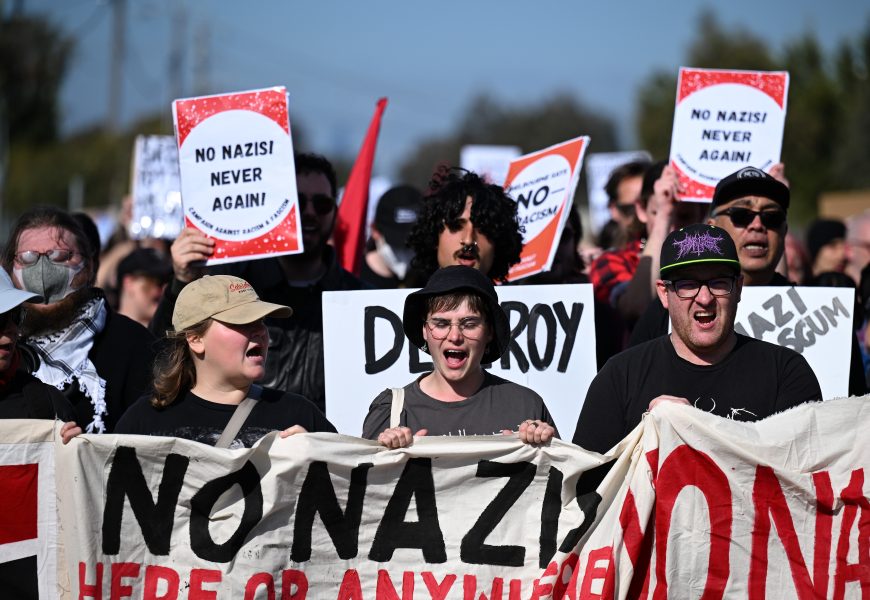

WELLINGTON, New Zealand (AP) - Australia identified a neo-Nazi network as the second organization being banned under its new law criminalizing hate groups and support for them.
The group, formerly known as the National Socialist Network and sometimes called White Australia, said it would disband after the government in January passed the law allowing certain organizations to be banned. The law was in response to the antisemitic attack on a Hanukkah celebration at Sydney's Bondi Beach in December in which 15 people were killed.
The National Socialist Network "changed their name, but didn't change the fact that they were still an organization and were still engaging in the same sort of behavior that met the thresholds for this legislation," Home Affairs Minister Tony Burke told reporters in Canberra on Friday.
The ban, which would take effect at the end of Friday, makes it illegal to support, fund, train, recruit, join or direct the group, including if it reformed under a new name, Burke said. Breaking the law is punishable by up to 15 years in prison.
The Islamist group Hibzt ut-Tahrir was in March the first group banned under the hate speech law. That organization and the National Socialist Network were publicly identified by lawmakers and officials as the policy's primary targets.
The new law allowed for hate groups that didn't otherwise fit Australia's definition of a terrorist organization to be banned. It was among a raft of measures enacted to curtail antisemitic hatred after the Bondi massacre targeting Jews roiled the country.
The national security agency ASIO decides whether an organization meets the threshold to be designated as a hate group and a government minister must then approve the prohibition. Criteria include that an organization's behavior could increase the risk of violence and that it has advocated for or engaged in hate crimes.
"None of this will stop bigoted people from having horrific ideologies," Burke said. "But it does prevent this group from organizing, from meeting, and prevents some of the sorts of horrific bigoted rallies that we've seen around our country."
The former group's leader Thomas Sewell is awaiting trial on charges relating to an attack he's accused of leading on an Indigenous protest camp last August. Black-clad men stormed the camp in Melbourne during an anti-immigration rally, injuring three.
Sewell has pleaded not guilty to the five counts he faces. An independent inquiry into the white supremacist shooting murders of 51 Muslims in Christchurch, New Zealand in 2019 found that Sewell had attempted to recruit the gunman in that massacre, Brenton Tarrant, to another white nationalist group two years before the mosque attack.
Burke dismissed suggestions that the National Socialist Network had disbanded. A post to the group's Telegram channel in January said it would dissolve to avoid arrests of its members, Australian news outlets reported.
The minister said his government was prepared for legal challenges by the outlawed groups.
In 2024, before the Bondi shooting, Australia enacted a nationwide ban on Nazi salutes and the display of swastikas and other Nazi symbols. It came as a wave of antisemitic crimes over a period of months targeted synagogues and Jewish businesses and schools in Sydney and Melbourne.
More Top Stories