°C
°C
 2
Min
2
Min
The Western Australian government is moving to introduce new legislation targeting people who share videos of their crimes online - a move that has sparked debate over its potential impact on free speech.
WA Government Pushes 'Post and Boast' Laws Amid Free Speech Concerns
The Western Australian government is moving to introduce new legislation targeting people who share videos of their crimes online - a move that has sparked debate over its potential impact on free speech.
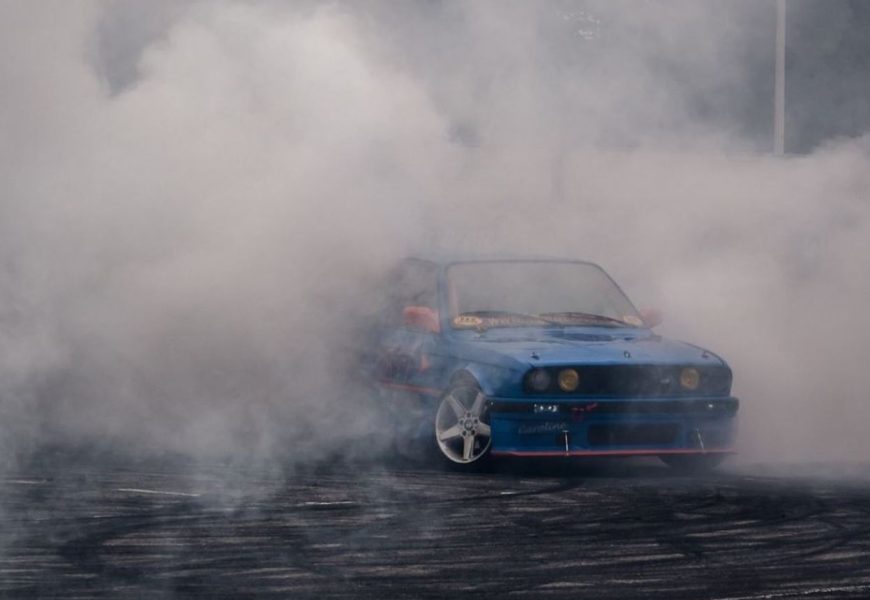
The proposal comes after social media footage emerged showing two stolen cars hooning through a regional town, with children ramming police vehicles and bragging about their actions. Similar incidents across the country have prompted calls for the Commonwealth to pressure social media companies to remove such content, but state governments are also pursuing their own measures.
Last month, WA introduced the so-called "post and boast" bill to parliament, aimed at stopping so-called "crimefluencers" from glorifying or encouraging criminal activity online.
What the Law Would Do
The bill amends the Criminal Code to create a new "Post and Boast Offence," making it illegal to share material depicting a crime if the purpose is to boast, glorify, or encourage similar conduct. Offences covered include assault, theft, robbery, property damage, dangerous or reckless driving, racial harassment, inciting racial hatred, and the use of Nazi symbols or salutes.
The offence would apply even if the person sharing the footage has not been charged or convicted of the crime shown.
If passed, offenders could face up to three years in prison - a year longer than the equivalent law in Victoria. Courts could also order posts to be removed, with non-compliance punishable by 12 months in jail and a $12,000 fine.
Exceptions and Protections
The government says the law is designed to prevent further harm and avoid retraumatising victims, not to silence legitimate expression. Exceptions apply for posts made for genuine scientific, educational, academic, artistic, literary, satirical, or entertainment purposes.
Journalists and news outlets reporting on current events would not be prosecuted, nor would people posting fictional or artificially created content, or sharing videos to denounce criminal behaviour. Law enforcement and intelligence officers are also exempt.
Critics, however, warn the bill is too broad and risks creating a "chilling effect" on free speech if passed in its current form.
More Top Stories