°C
°C
 2
Min
2
Min
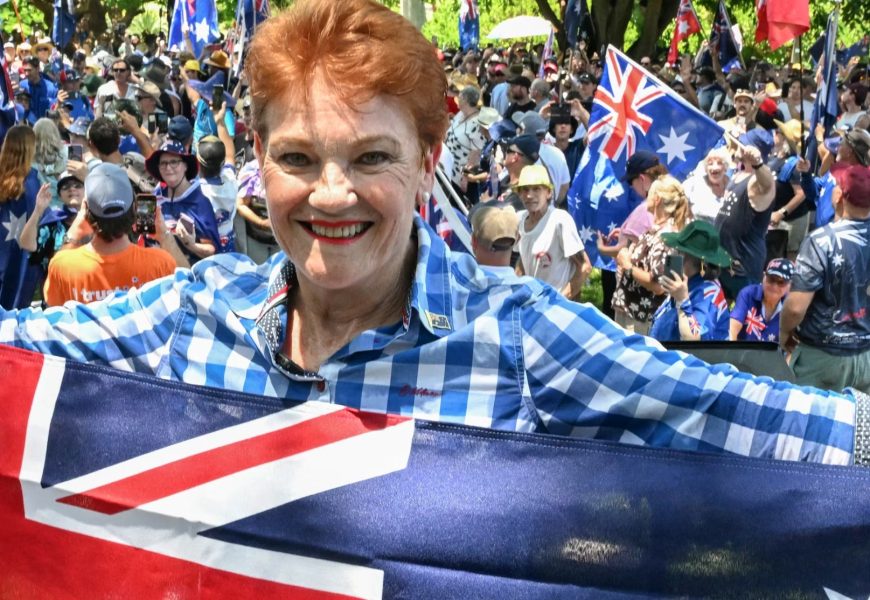
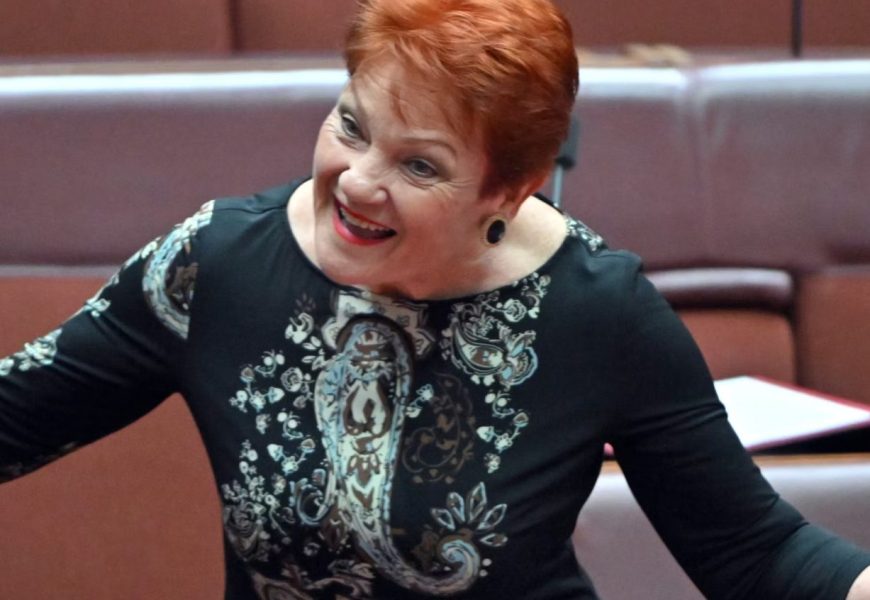
Australia's political debate over identity and migration has flared after comments questioning whether there are "good Muslims" by Pauline Hanson triggered condemnation from across the political spectrum and concern among anti-racism advocates . The Prime Minister criticised the remarks as corrosive and accused proponents of grievance-based politics.
PM condemns "no good Muslims" remarks as social cohesion debate intensifies
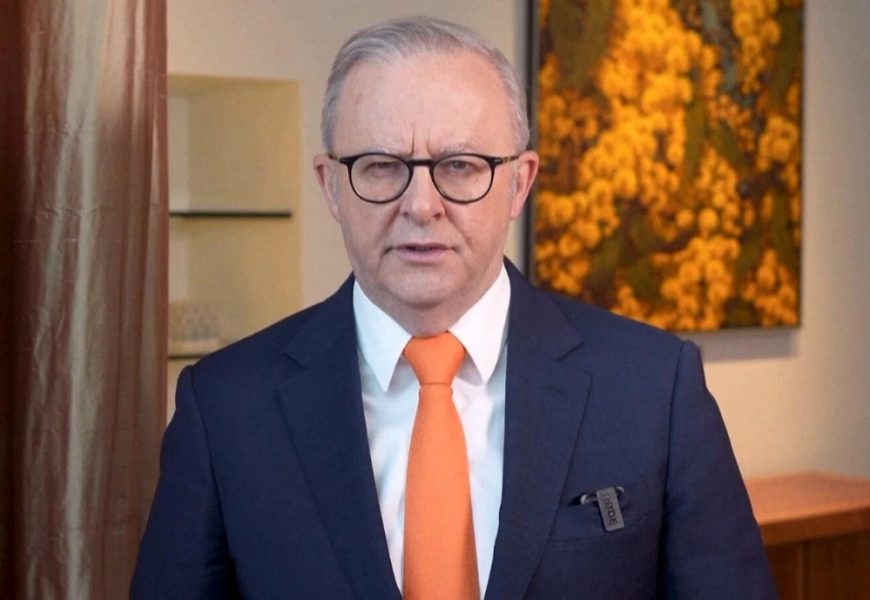
Australia's political debate over identity and migration has flared after comments questioning whether there are "good Muslims" by Pauline Hanson triggered condemnation from across the political spectrum and concern among anti-racism advocates.
The Prime Minister criticised the remarks as corrosive and accused proponents of grievance-based politics of trying to divide communities for political gain. Other parliamentarians also distanced themselves, warning that broad-brush claims about faith groups weaken social cohesion and undermine the country's multicultural foundations.
The comments have been referred to authorities for consideration under relevant laws, though national leaders have emphasised that enforcement decisions sit with police and prosecutors, not politicians.
The dispute arrives amid heightened public anxiety about border integrity, terrorism risk and domestic safety-issues that can be easily inflamed by rhetoric, particularly in the shadow of recent high-profile violent incidents. Government figures have pointed to Australia's layered visa and security screening processes, arguing that the system already includes substantial checks and balances.
At the same time, community advocates warn that conflating extremism with Islam fuels discrimination and can create real-world harms-ranging from harassment to threats-especially when public figures amplify suspicion. They argue political leadership should be measured, precise and evidence-based, particularly when addressing national security.
The broader context is a shifting political landscape in which hardline messaging on migration has gained traction in some voter segments. Analysts note that when political debate becomes centred on identity and fear, it can crowd out practical discussions about settlement services, labour needs, education, housing and long-term integration.
For everyday Australians, the flashpoint raises a familiar question: how the country can maintain robust security while protecting a diverse society from scapegoating and polarisation. In the days ahead, the debate is expected to spill into calls for tighter speech rules, stronger anti-vilification enforcement, and a renewed focus on community safety and cohesion initiatives.
More Top Stories