When the second world war broke out in September 1939, Australia only had enough petrol to last three months of normal consumption.
At first, the wartime government led by Robert Menzies encouraged Australians voluntarily to reduce their petrol consumption and promoted conversion to vehicles powered by gas from coal.
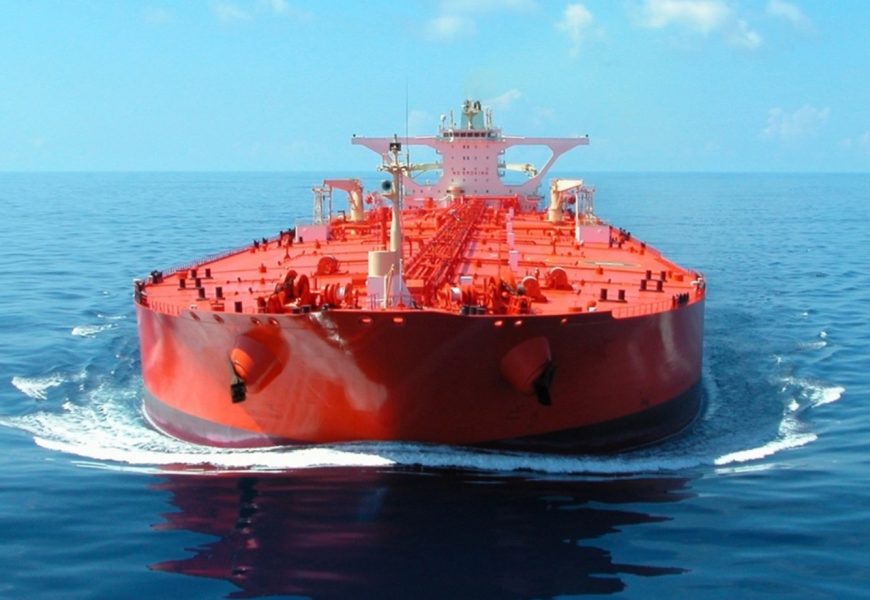
But as the fighting intensified, oil tankers which were on their way to Australia turned around because of the war, and supplies dwindled.
In June 1940, cabinet aimed to reduce consumption by 50%, a goal later reduced to 30%.
Under national security regulations, civilians were issued ration coupons limiting how much fuel a person could purchase. Non-essential driving was restricted. Public transport and essential industries were prioritised and diesel was tightly controlled for military and agricultural operations.


 °C
°C
 6
Min
6
Min