°C
°C 2
Min
2
Min
Treasurer Jim Chalmers announced on Sunday the budget update will contain $20 billion in savings. The battery subsidy, available to households and small businesses, was earlier estimated to cost $2.3 billion up to 2030. But because many buyers have been purchasing large batteries, the cost was headed to $14 billion.
The cost of the government's battery subsidy scheme explodes
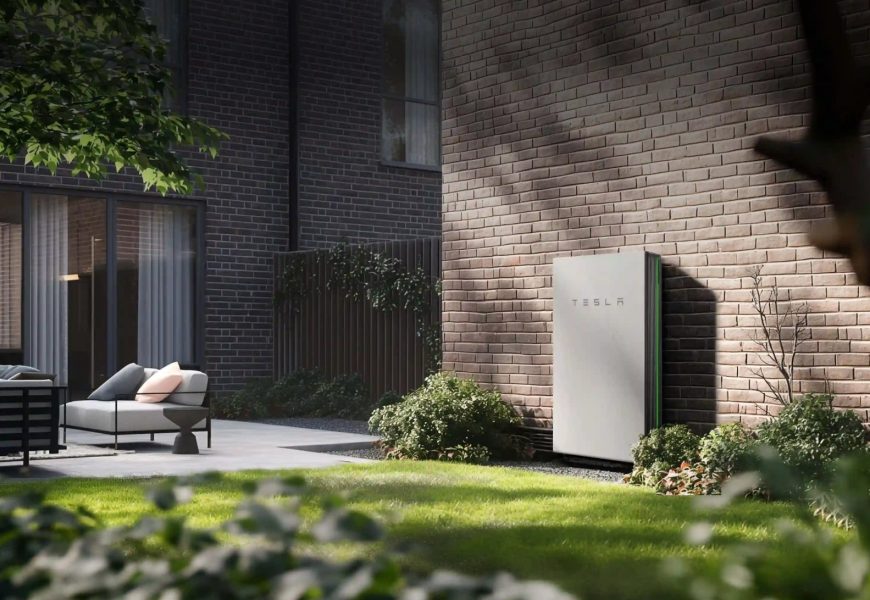
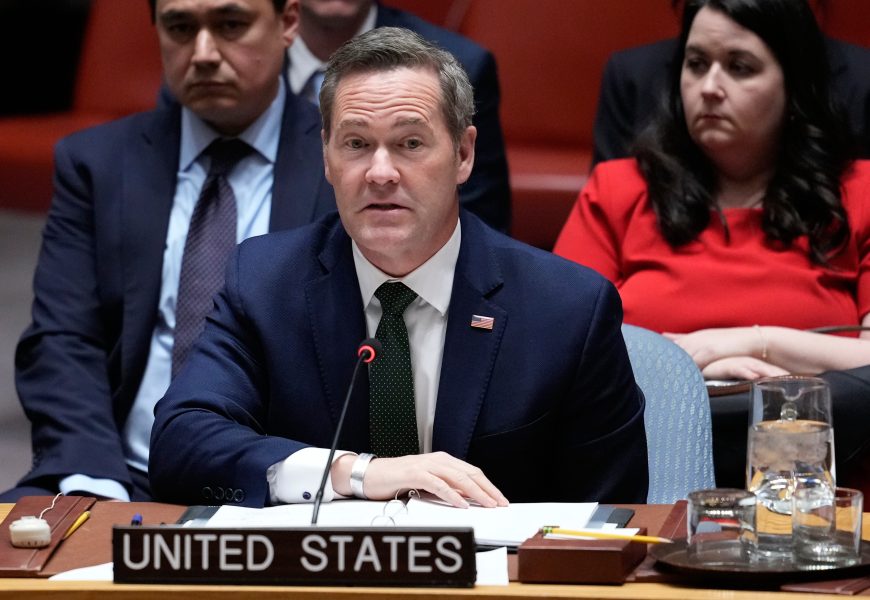
Treasurer Jim Chalmers announced on Sunday the budget update will contain $20 billion in savings.
But while the government is boasting about these savings, it also admitted at the weekend that its scheme to subsidise the purchase of batteries has exploded in cost.
The subsidy, available to households and small businesses, was earlier estimated to cost $2.3 billion up to 2030. But because many buyers have been purchasing large batteries, the cost was headed to $14 billion.
This has forced the government to announce both extra funding and changes to rein in the blow out.
The revised version will now cost $7.2 billion over four years.
Under the present flat discount, very large batteries were cheaper than some smaller ones, encouraging people to invest in the bigger ones. The changes taper the discount for larger batteries so it doesn't cut the price of very big batteries disproportionately.
The government says that under the changes, two million households are now expected to have batteries by 2030, compared to the one million projection when the scheme was announced before the election.
The future of the discount to encourage the take up of electric vehicles is also under review, with the government taking submissions until early February.
TheConversation.com
Author: Michelle Grattan – Professorial Fellow, University of Canberra
More Top Stories