°C
°C
 4
Min
4
Min
A U.S.-brokered ceasefire between Russia and Ukraine was due to expire Monday with both sides accusing each other of breaching the 72-hour arrangement, as American and European officials considered how they might steer the warring countries into further talks.
Russia and Ukraine trade blame for continued fighting as US-brokered ceasefire nears its end
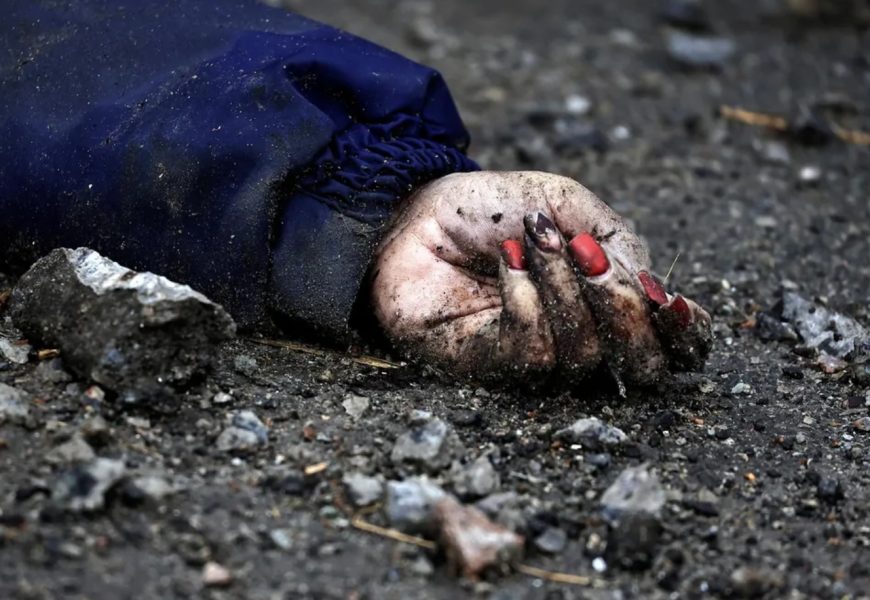

A U.S.-brokered ceasefire between Russia and Ukraine was due to expire Monday with both sides accusing each other of breaching the 72-hour arrangement, as American and European officials considered how they might steer the warring countries into further talks.
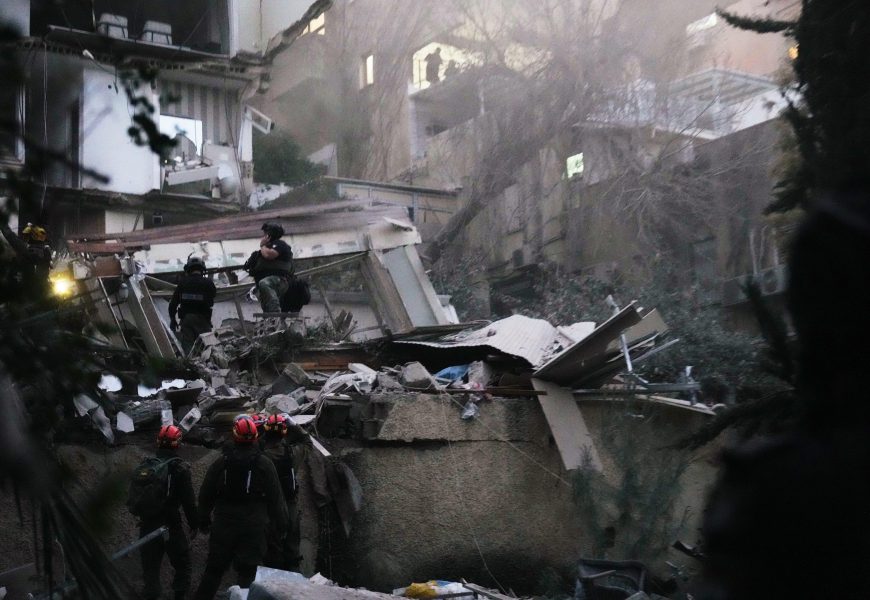
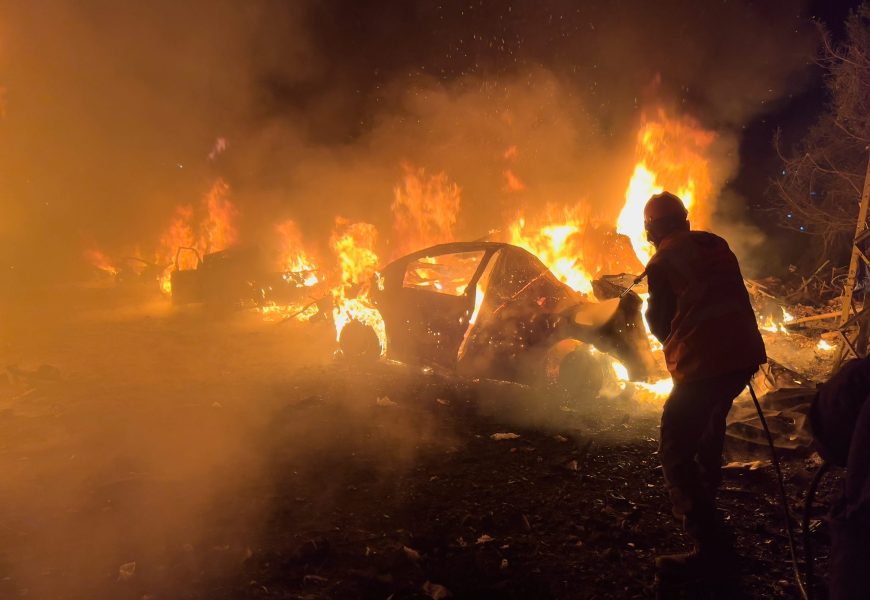
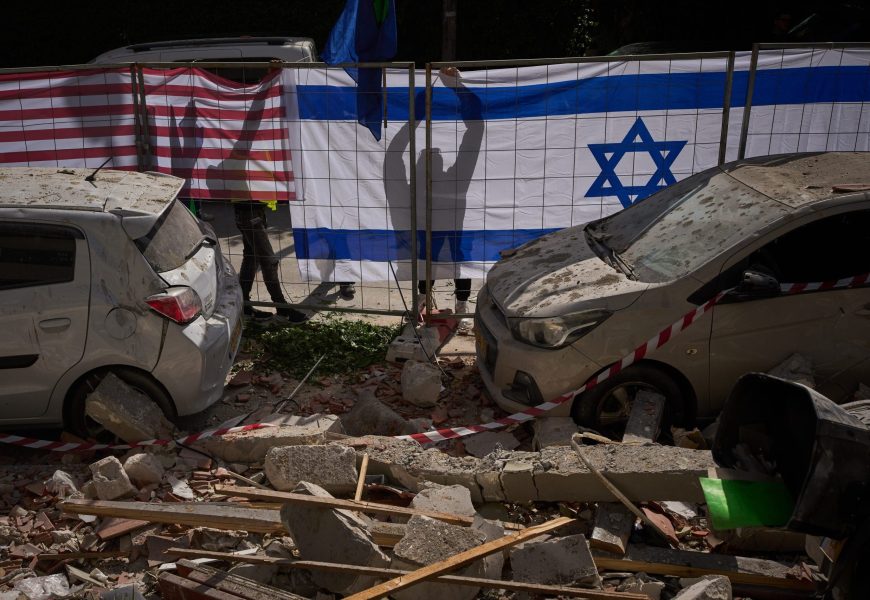
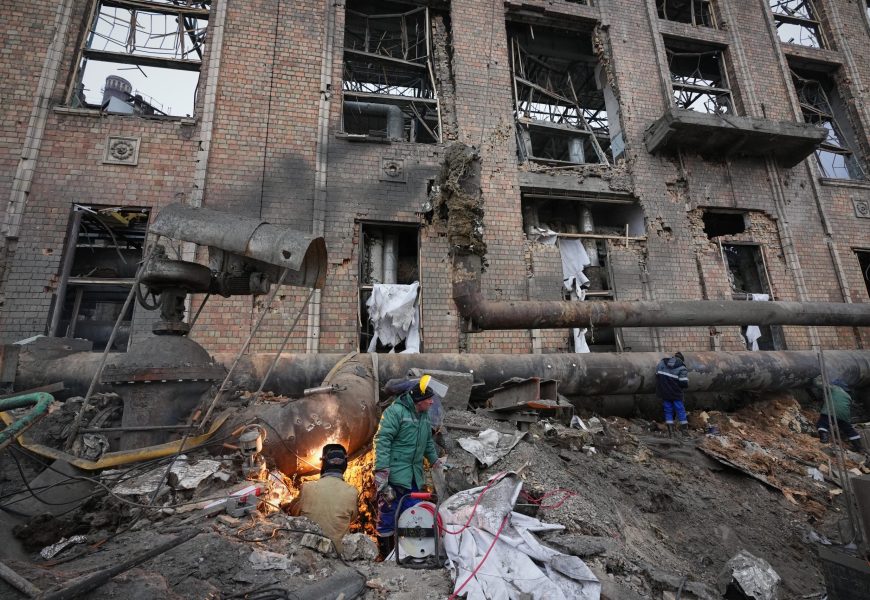
Ukrainian authorities said Monday that Russian drones, bombs and artillery shelling struck civilian areas of the northeastern Kharkiv and southern Kherson regions, killing at least two people and wounding seven others, including a 14-year-old boy.
Russia's Defense Ministry insisted the military has "strictly observed" the ceasefire and accused Ukraine of repeatedly violating the agreement.
Similar ceasefires announced since Russia invaded its neighbor more than four years ago also have failed to stop the fighting, and U.S.-led diplomatic efforts over the past year have come to nothing.
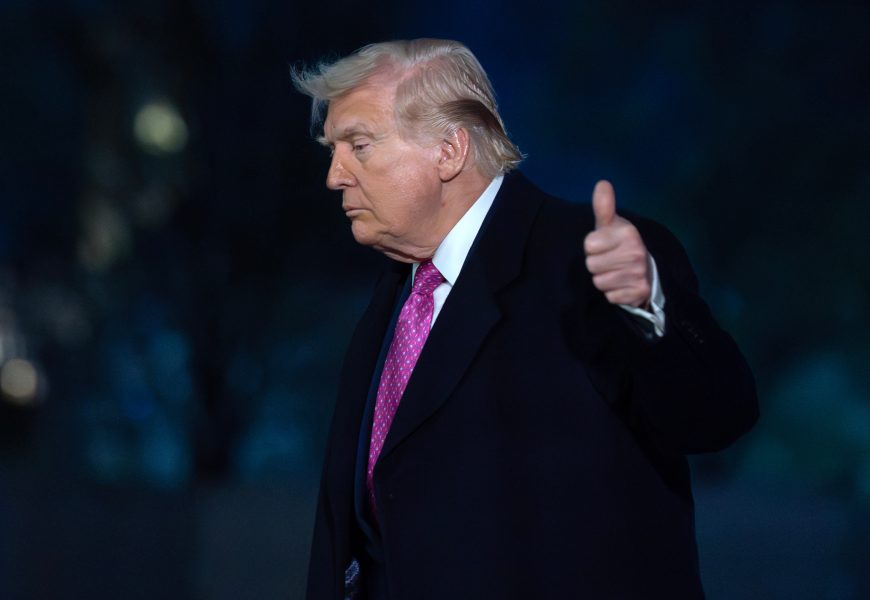
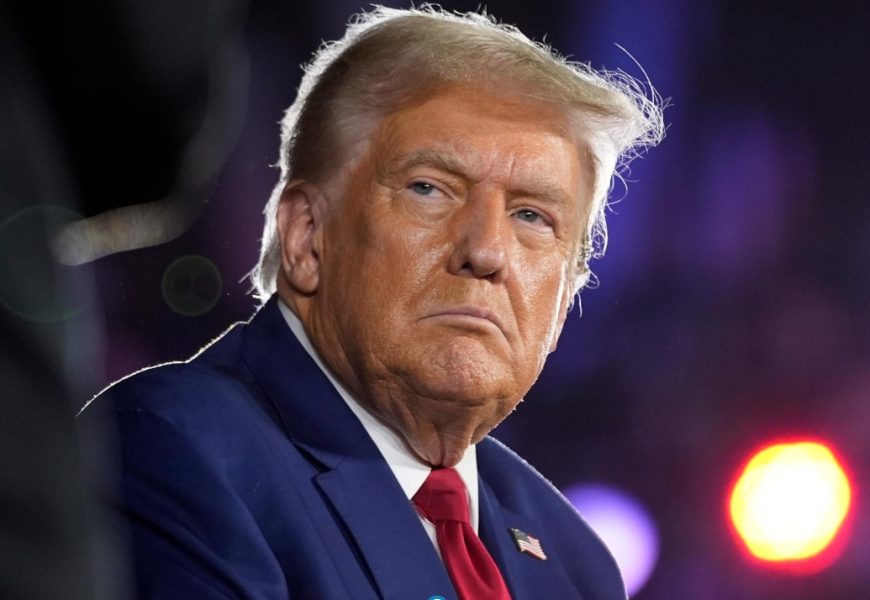
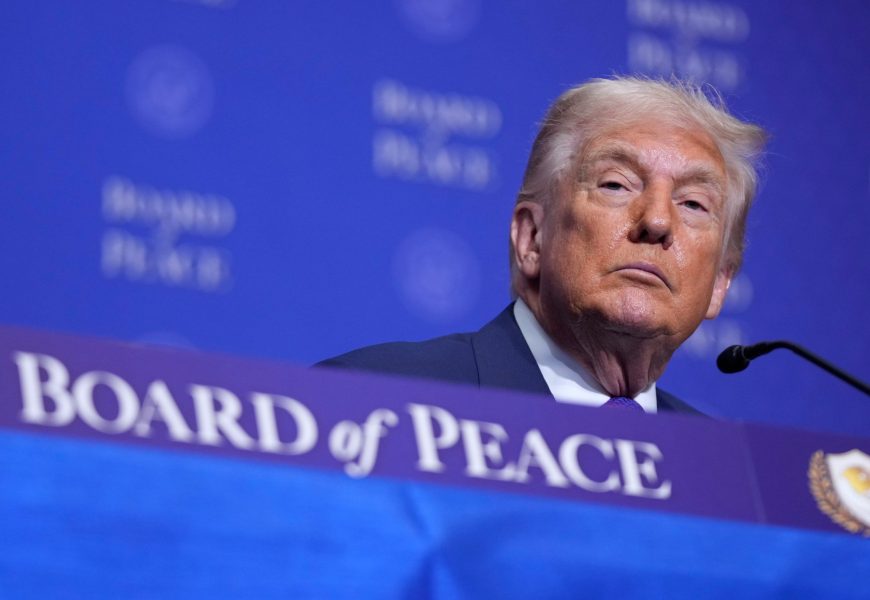
The Washington-based Institute for the Study of War said data from NASA observations indicated military activities decreased but did not stop after U.S. President Donald Trump announced Friday that Russian President Vladimir Putin and Ukrainian leader Volodymyr Zelenskyy had accepted his request for a ceasefire running Saturday through Monday.
The move was meant to mark Victory Day, the Russian celebration marking the defeat of Nazi Germany.
The ISW noted late Sunday that "ceasefires without explicit enforcement mechanisms, credible monitoring, and defined dispute resolution processes are unlikely to hold."
Trump had said there would also be an exchange of prisoners, declaring that the break in fighting could be the "beginning of the end" of the war. Zelenskyy said the exchange of 1,000 prisoners from each side is being prepared.
There are no signs that the two sides are ready to budge from their key negotiating positions, however.
Putin wants all of the Donbas region, Ukraine's industrial heartland, even though his army hasn't completely captured it, but Zelenskyy says he won't surrender it. Zelenskyy has offered a ceasefire and a face-to-face meeting with Putin, which the Russian leader has ruled out until a negotiated settlement is almost finalized.
Putin suggested at the weekend that former German Chancellor Gerhard Schröder, who has had close business ties to Russia, could act as a mediator. But German and European officials scotched that possibility even while accepting that the European Union could take a more significant role in peace efforts after being largely sidelined by Washington over the past year.
Finnish President Alexander Stubb, who has a friendly relationship with Trump, said in comments published Monday that Europe needs to engage directly with Moscow.
"It's time to start talking to Russia," Stubb was quoted as saying in Italian daily Corriere della Sera.
EU foreign policy chief Kaja Kallas cautioned the bloc must get its objectives straight before attempting to negotiate with the Kremlin.
"Before we discuss with Russia, we should discuss amongst ourselves what we want to talk to them about," she told reporters in Brussels.
Ukraine's Foreign Minister Andrii Sybiha joined EU foreign ministers for the Brussels meeting. "We have mainstream peace talks under the leadership of the U.S., and we need this track and we need U.S. leadership. But Europe could play also its role," Sybiha said.
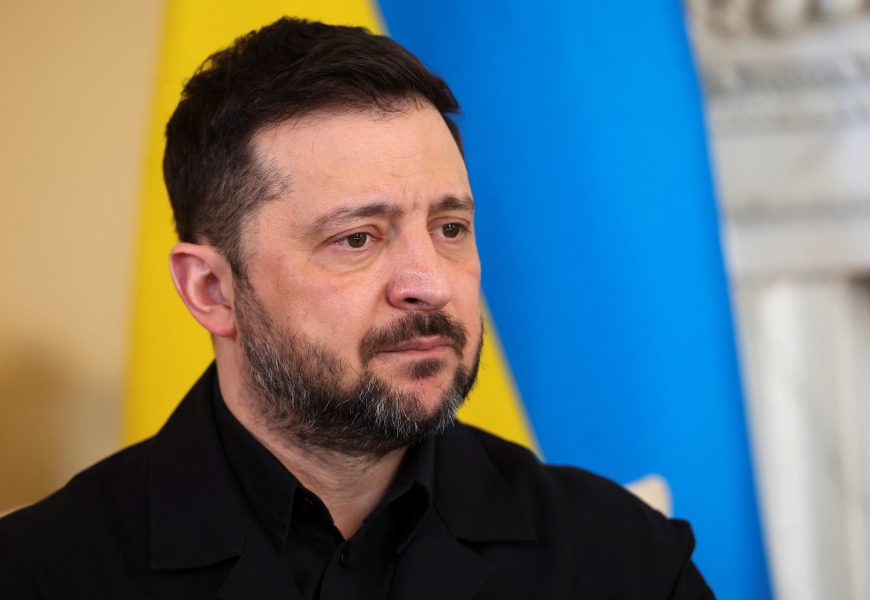
Zelenskyy said Monday that Ukraine has "nearly daily communication" with Trump administration representatives. Rustem Umerov, Ukraine's National Security and Defense Council chief, in recent days met with Trump envoys Steve Witkoff and Jared Kushner in the United States, according to Zelenskyy.
"Importantly, America remains engaged in diplomacy," Zelenskyy said on X.
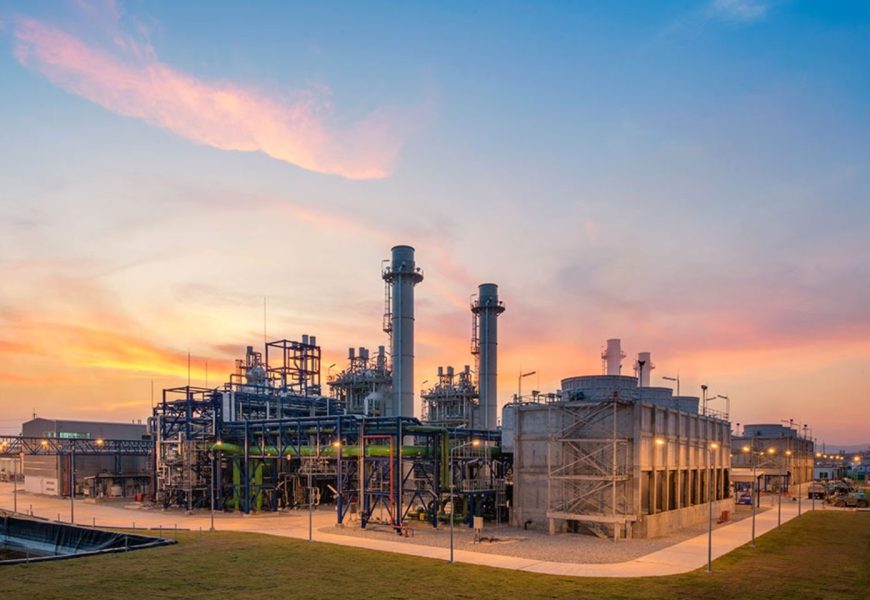
Sybiha noted that in recent months Ukraine has improved its performance on the battlefield, reducing the bigger Russian army to a slow and costly slog on the 1,250-kilometer (780-mile) front line, while using its domestically developed long-range drones and missiles to hit targets deep inside Russia.
"We have a new reality on the battlefield ... Ukraine became stronger after the most difficult winter," Sybiha said.
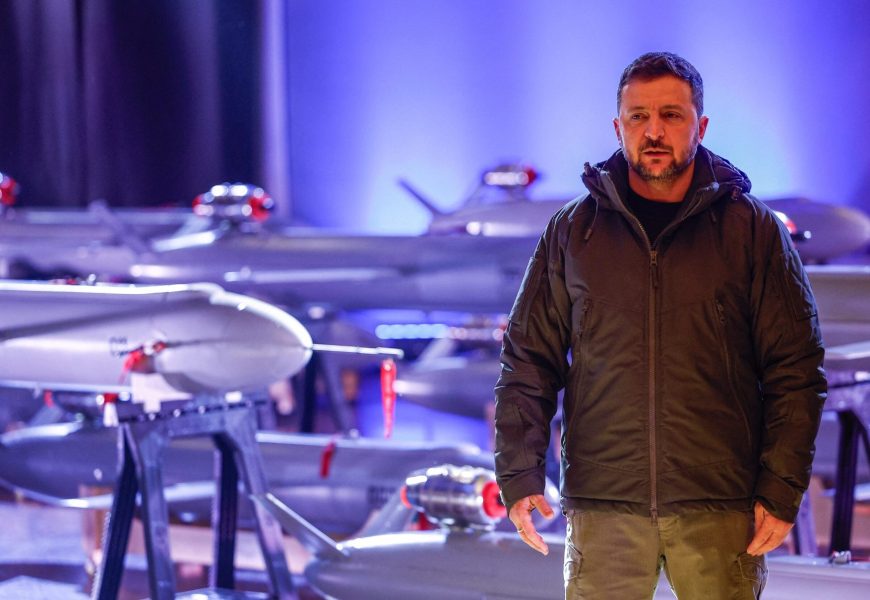
Cutting-edge drone technology has been one of the main drivers of success for Ukraine's short-handed army. It has also drawn other countries' attention, enhancing Ukraine's international standing.
Zelenskyy said nearly 20 countries in the Middle East and the Gulf, the South Caucasus and Europe are at various stages of entering into deals with Ukraine for battle-tested drones. In return, Ukraine is getting fuel and money.
German Defense Minister Boris Pistorius was the latest senior European official to visit Kyiv, arriving Monday on an unannounced visit set to focus on furthering defense cooperation between the two countries.
Germany has become the world's top provider of security assistance to Ukraine, accounting for roughly one-third of all aid the country receives, Ukrainian Defense Minister Mykhailo Fedorov said Monday, according to Ukrainian media.
Germany has helped provide an "unprecedented package" of air defense missiles for Ukraine, Fedorov said, and has begun financing the production of medium- and long-range strike drones, which he described as critical for deep-strike operations.
More Top Stories