°C
°C
 3
Min
3
Min
HONG KONG (AP) – China and the European Union said Monday they have agreed on steps toward resolving their dispute over the bloc’s imports of Chinese-made electric vehicles. A “guidance document” released by the EU on Monday gives instructions for Chinese EV manufacturers on making price offers for battery EVs, including minimum import prices and other details.
China and EU agree on steps to resolve EV imports dispute
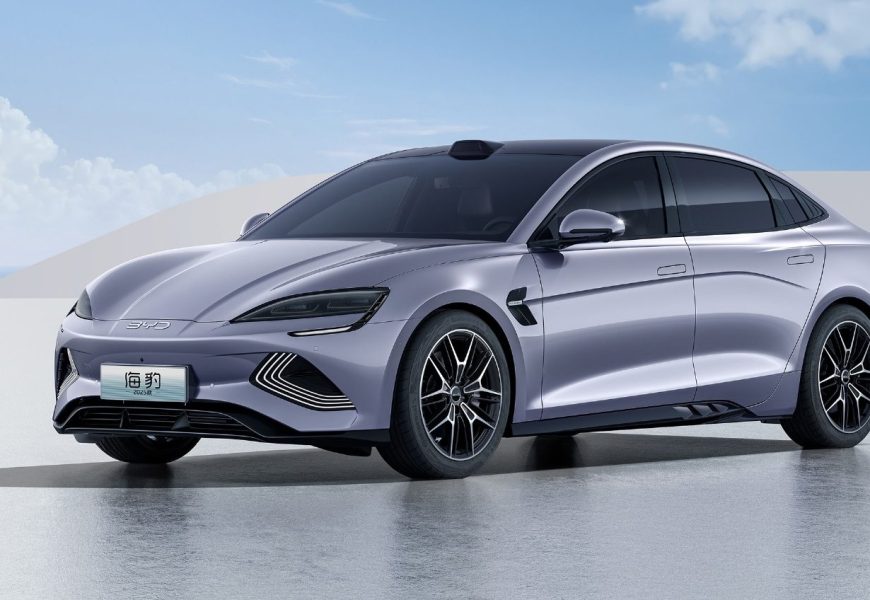
HONG KONG (AP) - China and the European Union said Monday they have agreed on steps toward resolving their dispute over the bloc's imports of Chinese-made electric vehicles.
A "guidance document" released by the EU on Monday gives instructions for Chinese EV manufacturers on making price offers for battery EVs, including minimum import prices and other details. The EU had imposed tariffs of up to 35.3% on Chinese EV imports in 2024 following an anti-subsidy investigation.
The EU said that minimum import prices must be set at a level "appropriate to remove the injurious effects of the subsidization." Chinese EV manufacturers' plans for investments within the EU will also be considered, it said.
"The European market is open to electric vehicles from all around the world, provided that they have come here according to that level playing field," said European Commission spokesperson Olof Gill. "If those conditions are met, then we can look at price undertakings in a serious way."
The EU said the European Commission would assess each offer in an "objective and fair manner, following the principle of non-discrimination" and in line with World Trade Organization rules.
"This is conducive not only to ensuring the healthy development of China-EU economic and trade relations, but also to safeguarding the rules-based international trade order," a statement by China's Commerce Ministry said. The China Chamber of Commerce to the EU welcomed the move, which it said would bring about a "soft landing" in the EV standoff.
The EU's anti-subsidy probe and tariffs on Chinese EVs had strained ties between China and the bloc. In late 2024, the EU imposed countervailing tariffs of 7.8% to 35.3% on Chinese battery EV imports for a five-year period.
As low-priced Chinese EVs rapidly entered the European market, EU officials said China's EV makers - with massive support from the Chinese government - benefited from "unfair" subsidization which threatened economic injury to EU auto manufacturers.
Monday's announcement also came after the EU said last month it had opened a review into whether a price undertaking offer by Germany-based Volkswagen group's Chinese joint venture could potentially replace the EU's anti-subsidy tariffs applied on its China-built EVs.
"The minimum prices offer Chinese brands probably some comfort to continue their exports long term ... while avoiding higher import tariffs," said Rico Luman, a senior economist at the Dutch bank ING who focuses on transport, logistics and the automotive industry. "I'm convinced the inroads of Chinese brands will continue."
EU manufacturers depend heavily on Chinese made batteries, rare earths materials and computer chips. That requires "a balancing act to avoid frustrating the trade relationship" with China, Luman said.
Stephen Chan, an associate director at S&P Global Ratings, said some European demand of China-built vehicles could be constrained if the approved floor price under the new guidelines "significantly narrows the gap between Chinese BEVs (battery EVs) and European rivals."
Chinese car brands are expected to gain more market share in Europe over the next few years, analysts said. China-manufactured cars rose to 6% of sales in the EU in the first half of 2025, according to the European Automobile Manufacturers' Association (ACEA) and S&P Global Mobility, up from 5% in the same period of 2024.
EU-based manufacturers represented 74% of total EU car sales in the first half of 2025, the ACEA said. Germany still produced about 20% of cars sold in the EU, followed by Spain, Czechia and France.
By 2030, Chinese automakers are likely to double their European market share to about 10%, according the consultancy AlixPartners.
More Top Stories