°C
°C
 6
Min
6
Min
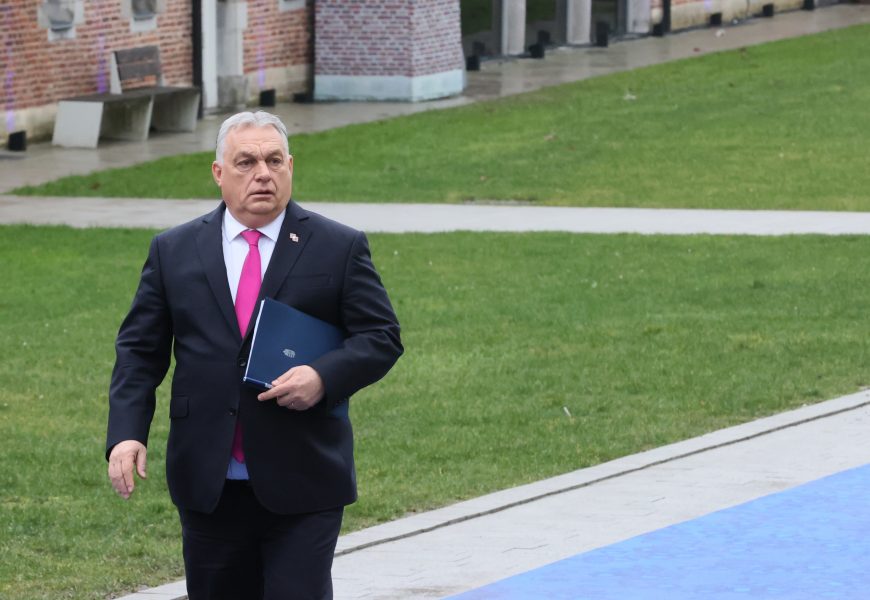
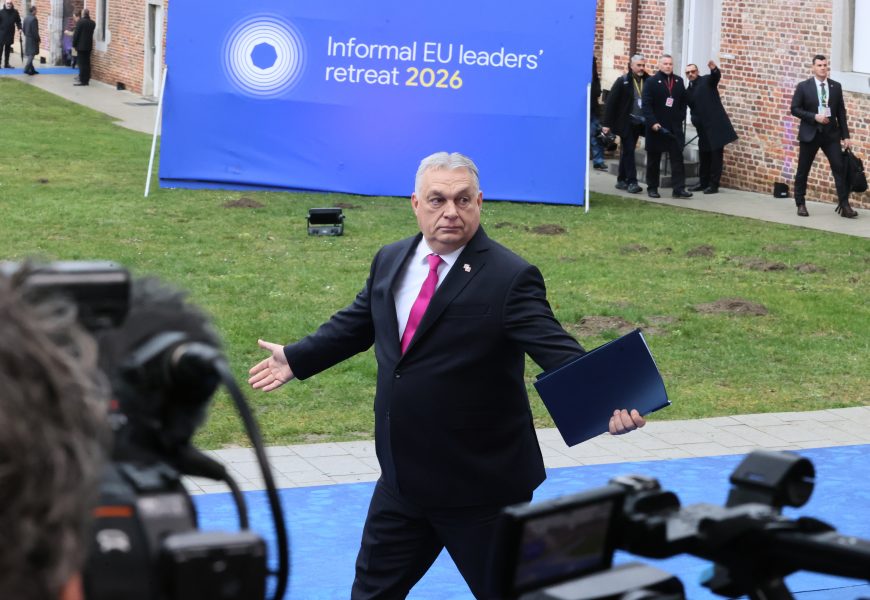
WASHINGTON (AP) – Facing a convulsing stock market, President Donald Trump on Thursday moved to buy himself more time and hold off, once again, on carrying out a threat to obliterate Iran’s energy plants over the Islamic Republic’s effective closure of the Strait of Hormuz.
After markets rattle, Trump once again punts on following through with threat on Iran power plants
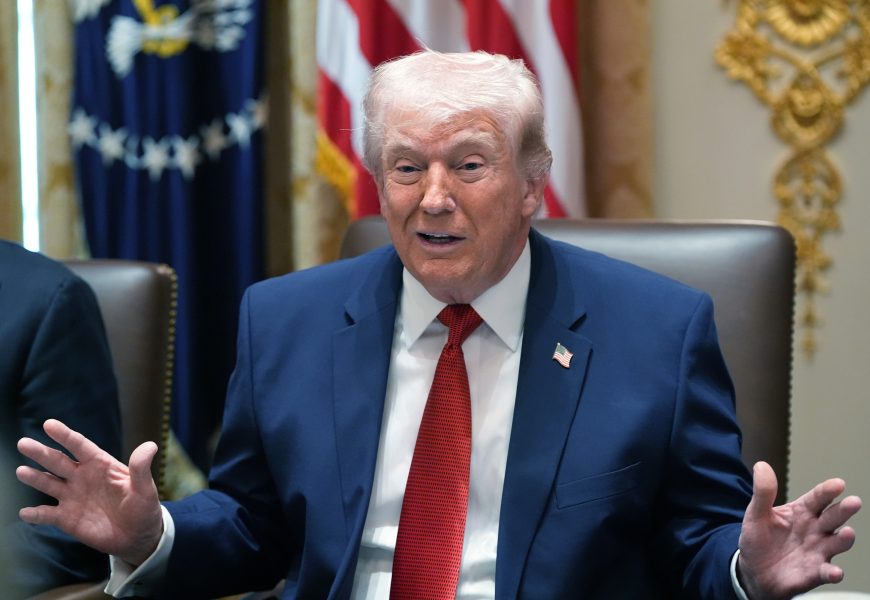
WASHINGTON (AP) - Facing a convulsing stock market, President Donald Trump on Thursday moved to buy himself more time and hold off, once again, on carrying out a threat to obliterate Iran's energy plants over the Islamic Republic's effective closure of the Strait of Hormuz.
Trump said he was delaying taking potential action because talks aimed at ending the conflict are going "very well," despite the fact that Iran continues to publicly insist it is not negotiating with the White House on a 15-point proposal - delivered by Pakistani intermediaries - to end the war. He said Iran had asked for the grace period.
"They asked for seven (days)," Trump said in an appearance on Fox News Channel's "The Five" shortly after he announced on social media he would give Iran until April 6 to reopen the strait. "And I said, 'I'm going to give you 10.'"
Trump publicized his decision shortly after Wall Street closed Thursday, another rocky day with U.S. stocks recording their biggest loss since the war with Iran started. The S&P 500 dropped 1.7%, the Dow Jones Industrial Average dropped 469 points, or 1%, and the Nasdaq composite sank 2.4% to fall more than 10% below its all-time high set early this year.
Trump first threatened to bombard Iranian energy facilities on Saturday - and almost immediately began vacillating.
In his initial threat, he gave Tehran 48 hours to open up the strait, a chokepoint for global oil markets. But he backed off on Monday, saying he would give Iran an additional five days, after Asian markets gyrated. Then, he punted again after Thursday's shaky markets.
This was not the first time Trump has appeared to have been jostled into adjusting policy in the face of market volatility.
Last April, after implementing new tariffs that triggered the worst two-day sell-off for the S&P 500 in five years, Trump announced a 90-day halt on the most severe tariffs for all countries except China.
But on Thursday, Trump bristled at the notion that his team is struggling to find an endgame to the conflict. Speaking to reporters as he met with his Cabinet, he insisted that Iran had already been "decisively defeated."
"We have very substantial talks going on with respect to Iran - with the right people," Trump said.
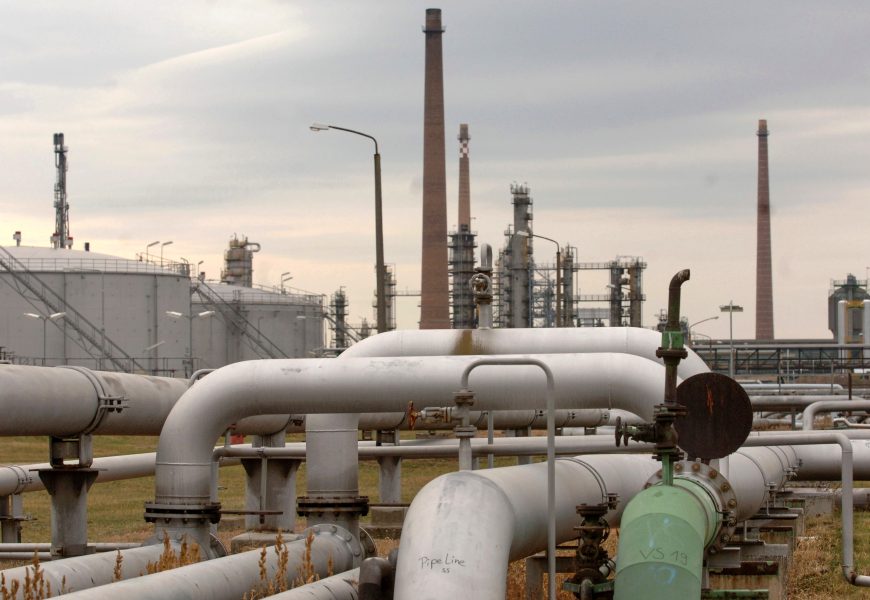
Iran had effectively dared Trump to follow through on the threat, warning it would retaliate against the region's vital infrastructure, including desalination facilities for drinking water, if the U.S. or Israel hit its power plants. Iran also has tightened its grip on the strait, as it seeks to create something akin to a "toll booth" for tankers to pass through the narrow waterway.
The uncertain market reaction to Trump's red line on the strait has left the White House struggling to shape the war's narrative, with global investors fretting over whether - and how - the president can bring about an end to the war and reopen the critical waterway, through which about 20% of the world's oil passes each day.
Earlier on Thursday, Trump claimed he had not decided if he would give Iran more time to fully open the strait. He said it would depend on what his negotiators - envoy Steve Witkoff, son-in-law Jared Kushner, and Vice President JD Vance - reported to him about the state of broader talks to end the war.
Trump also insisted Tehran was "begging" for a deal, while at the same time excoriating Iran's negotiators to "get serious soon, before it's too late."
Witkoff said the administration was focused on convincing Iran "that this is the inflection point with no good alternatives for them other than more death and destruction."
The New York real estate developer-turned-diplomat told Trump's Cabinet that the administration had received "strong signs" that peace was a possibility, and said that "Iran is looking for an off-ramp" following Trump's threat on its power plants.
Meanwhile, Trump and his top aides attempted to downplay the impact of the price shock at gas pumps for consumers in Asia, Europe and the United States.
"I thought the oil prices would go up more and I thought the stock market would go down more," Trump said. "Hasn't been nearly as severe as I thought. I think they have confidence in maybe the American president and maybe the people sitting around this table.'
Trump downplayed the importance of marshaling a coalition of partners to help protect tankers moving through the strait, saying the U.S. has "so much oil - our country is not affected by this."
While it's true that the United States doesn't rely on resources moving through the strait, the price of oil is set on the global market. That has raised prices at the pump for drivers the world over, including the U.S., where the nationwide average price of gas is up more than a dollar from just a month earlier.
Treasury Secretary Scott Bessent said that Iran, by restricting oil and natural gas shipped through the strait, is "trying to take control of the global economy through a chokepoint that we believe does not exist."
Bessent's phrasing was misleading, as the strait is critical, especially for Asia, and energy prices have increased since the war with Iran began.
He expressed optimism that more tankers would make it through the Strait of Hormuz. "I am confident that shipping traffic will continue to increase on a daily basis, even before we secure" the strait, Bessent said.
Even as the White House continues to insist progress is being made in finding an endgame to the conflict, Trump continues to work to shift more troops to the Middle East.
The Pentagon is preparing to deploy at least 1,000 soldiers from the Army's elite 82nd Airborne Division to support operations against Iran, the AP reported earlier this week. The deployment would come atop of some 5,000 Marines who are being shifted to the Mideast. Those forces are over and above the 50,000 U.S. forces already in the region.
The surge of Marines and soldiers has fed speculation that Trump is, at the very least, positioning troops to conduct limited ground strikes to secure the banks of the strait or capture Kharg Island, a critical part of Iran's oil industry.
Defense experts say U.S. ground forces could certainly capture Kharg and help secure the strait, but the cost could be a war of attrition in which American lives and taxpayer money present a hefty price.
"Yes, we could do it, but the question isn't can we do it?" said Mick Mulroy, a former deputy assistant secretary of defense now with the Middle East Institute in Washington. "It's - should we do it? And the best route out is going to be diplomacy. I know it's easier said than done, but diplomacy and negotiations only work if both sides are willing to compromise."
Trump on Thursday also announced that Iran is allowing several Pakistan-flagged tankers through the strait. It's something he hopefully suggested was a sign of good faith for the talks.
"Well, I guess we're dealing with the right people," Trump said.
More Top Stories