°C
°C
 2
Min
2
Min
A dispute over Australia's obligations to its citizens has erupted again after reports suggested preparations were underway to return a group of Australian women and children from a Syrian detention camp linked to the Islamic State conflict. Senior ministers moved quickly to reject claims that federal authorities were organising logistics.
Canberra pushes back on "ISIS brides" claims amid security and legal debate
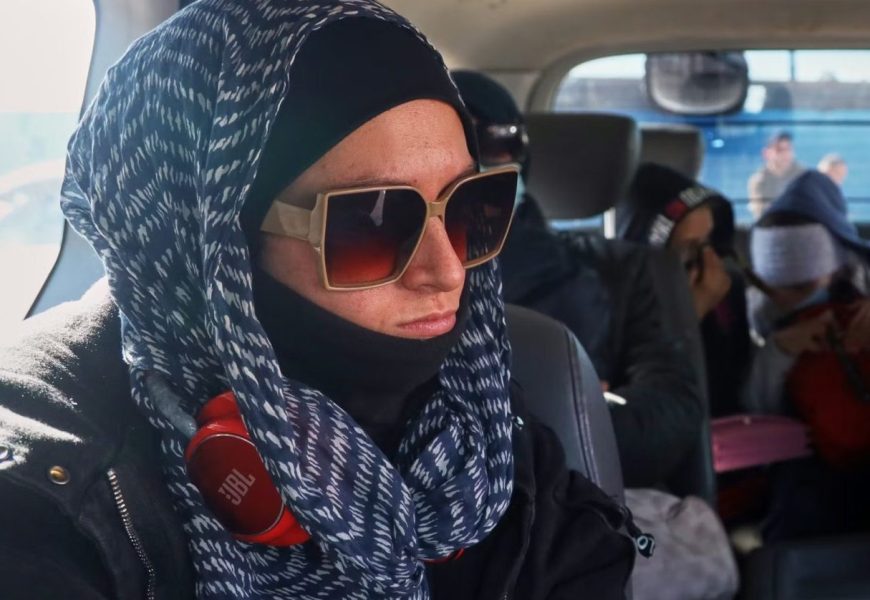
A dispute over Australia's obligations to its citizens has erupted again after reports suggested preparations were underway to return a group of Australian women and children from a Syrian detention camp linked to the Islamic State conflict.
Senior ministers moved quickly to reject claims that federal authorities were organising logistics or coordinating with states to manage arrivals. The government says it is not facilitating the return of the group, pushing back on suggestions there were active plans to bring them to Australia in the near term.
The issue has re-entered the spotlight as opposition figures and crossbench voices sharpen their messaging on national security, border settings and community safety. Some are urging new measures that would criminalise assistance to people attempting to travel back from conflict-linked detention settings. The government has dismissed that approach as headline-driven and legally complex, arguing that enforcement and risk management must operate within existing citizenship, criminal and intelligence frameworks.
At the centre of the controversy are hard questions that have never been neatly resolved: what the state should do when citizens are held offshore in unstable conditions; how to manage risks when individuals may have ideological links to extremist organisations; and how to balance security with Australia's legal responsibilities.
Security agencies have long warned that conflict zones create heightened risks-ranging from potential radicalisation to the use of returnees in extremist propaganda. Equally, humanitarian advocates argue that children, in particular, are vulnerable and should not be trapped indefinitely in unsafe environments.
The political stakes are rising as migration and social cohesion become more polarising in public debate. The government is attempting to hold a line that emphasises domestic safety and controlled processes, while opponents argue that any pathway for return could increase risk and strain state services.
In practical terms, any future scenario-whether involving prosecutions, monitoring orders, welfare interventions, or reintegration support-would likely demand close coordination between federal agencies and state systems. For now, ministers insist no such operational planning is underway, and that Australia will not assist the return described in the reports.
More Top Stories