°C
°C
 4
Min
4
Min
Former Opposition leader Sussan Ley was preparing to take a markedly tougher stance on immigration, including sweeping bans on migration from more than a dozen countries and regions, according to senior Liberal sources, before she was removed from the leadership. Multiple party figures say the proposed policy package was developed largely within Ley's office.
Hardline Immigration Bans Considered Under Ley Before Leadership Spill
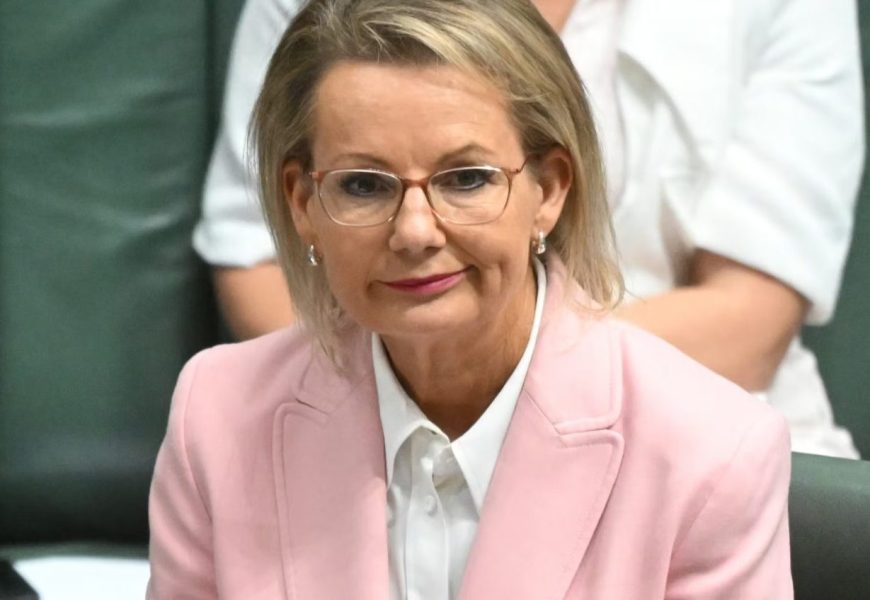
Former Opposition leader Sussan Ley was preparing to take a markedly tougher stance on immigration, including sweeping bans on migration from more than a dozen countries and regions, according to senior Liberal sources, before she was removed from the leadership last week.
Multiple party figures say the proposed policy package was developed largely within Ley's office in the aftermath of the Bondi terror attack, as the Coalition sought to sharpen its national security credentials and respond to heightened public concern about extremism and social cohesion.
Under the plan, immigration would have been temporarily suspended for up to three years from a range of countries and territories identified internally as having links to what the proposal described as "Islamist terrorist ideologies". Areas reportedly under consideration included the occupied Palestinian territories, Afghanistan, parts of the Philippines, Lebanon and Somalia, as well as several countries across North Africa and the Middle East, including Algeria, Egypt, Libya and Yemen. Parts of West and Central Africa, including Mali, Niger, Nigeria and Cameroon, were also named in discussions.
According to a Liberal source familiar with the negotiations, the package was expected to be presented to shadow cabinet for formal approval on Monday, had Ley remained leader.
Beyond country-specific bans, the proposal would also have introduced an "Australian values" statement, requiring new migrants to formally affirm their adherence to a defined set of national principles. Breaches of the statement, the policy suggested, could trigger immediate deportation. Critics within the party privately warned such a measure would raise serious legal and constitutional questions, particularly around enforcement and due process.
The same policy framework would have significantly reduced overall net overseas migration and tightened the issuance of international student visas, signalling a broader attempt to reset Australia's migration intake and refocus it on what the Coalition has described as "economic contribution and social cohesion".
However, the existence and legitimacy of the proposal have been strongly contested by the Opposition's former immigration spokesperson, Paul Scarr, who said he neither proposed nor endorsed the policy while serving in the role.
In a statement issued on Monday afternoon, Scarr said reports of a leaked Liberal Party proposal banning migration from certain regions were inaccurate as far as his involvement was concerned.
"For the record, I never proposed any such policy. I never agreed to any such policy. I never signed or approved a shadow cabinet submission containing any such policy," he said, adding that he held "a range of serious concerns" about the approach outlined in media reports.
Ley's leadership came to an abrupt end after just nine months when she lost a partyroom spill to former defence spokesperson Angus Taylor, who secured the leadership with a decisive margin. Jane Hume was elected deputy leader shortly after.
Taylor has since flagged immigration as one of his central policy priorities, repeatedly stating that a Coalition government under his leadership would "shut the door" to people who "hate" Australia. While he has confirmed plans to reduce the overall migration intake, he has stopped short of endorsing country-based bans of the type reportedly under consideration by Ley.
A spokesperson for Taylor said that the new leader had not seen the policy package prepared under his predecessor. The spokesperson said Taylor was developing his own approach and would release a comprehensive immigration policy alongside a refreshed frontbench in the coming days.
The episode has exposed deep internal divisions within the Liberal Party over how far it should go on immigration and national security, and whether hardline measures risk alienating key voter groups or running into legal and diplomatic obstacles. As Taylor prepares to reset the Coalition's policy agenda, immigration is shaping as an early and potentially defining test of his leadership.
More Top Stories