°C
°C
 4
Min
4
Min
For the first time in decades, brandy is once again being crafted in South Australia’s Coonawarra region - a nod to its long-lost heritage as a hub for the wine-based spirit.
Brandy Makes a Comeback in Coonawarra as Majella Wines Revives a Forgotten Tradition
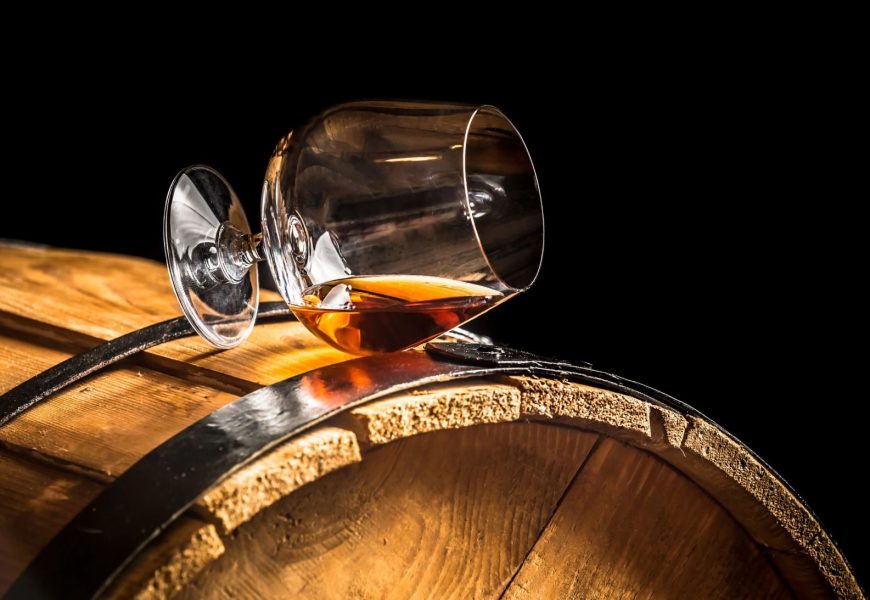
For the first time in decades, brandy is once again being crafted in South Australia's Coonawarra region - a nod to its long-lost heritage as a hub for the wine-based spirit.
The revival is being led by Brian "Prof" Lynn, director of Majella Wines, who saw an opportunity to reconnect with the region's distilling roots. With brandy historically emerging from surplus wine, Lynn considered it the most natural next step for a winemaking business.
"In the old days, if you had leftover wine, you'd just distil it into brandy," he explained.
The transition has been relatively simple for Majella. All they needed to add was a still - the equipment used for distillation - alongside their existing infrastructure, which includes wine, rainwater, and wooden ageing barrels.
While distilling itself only takes around six hours, patience is key: by law, brandy must age for a minimum of two years in wooden casks before it can be sold.
"There's a lot of waiting involved," Lynn said.
Despite Coonawarra's past as a brandy producer, Majella's release is the first to proudly carry the region's name on its label.
Brandy once thrived in Coonawarra, especially in the early 20th century when dry red wines fell out of favour. To avoid waste, winemakers distilled unsold wine into brandy, which was then sold under generic labels.
"You couldn't give dry red wine away back then," Lynn said. "So they made brandy instead."
But as consumer preferences shifted and other wine styles gained popularity, Coonawarra's brandy production declined, eventually disappearing altogether by the late 20th century. Much of the know-how vanished with it - though a few locals still carry memories of the spirit's golden era.
Diana Clayfield, a Coonawarra resident, recalls her father Arthur Hoffmann, a well-known viticulturalist and brandy maker in the area. "He really enjoyed making brandy," she said. "It's nice to see it coming back."
Clayfield remembers earlier generations using brandy not just for pleasure, but also as a remedy. "If you had the flu, they'd warm up brandy and wine and drink it like medicine," she said.
This medicinal use helped drive brandy's popularity through the mid-1900s, with production peaking in the 1960s. Spirits expert and author Luke McCarthy explained that in the early 20th century, many popular products were branded as "invalid" or "hospital" brandy, commonly used in hospitals as a cure-all.
But brandy's popularity began to wane by the 1970s, hit by rising federal excise taxes that brought it in line with other spirits. McCarthy said the decline was driven by a mix of economic pressures, government policy, and changing consumer tastes.
"Brandy has really been on a roller coaster for the past 100 years," he said.
Still, the future may be bright. Holly Klintworth, president of the Australian Distillers Association, believes brandy is poised for a resurgence - especially as other spirits like gin saturate the market.
"There's definitely room for brandy in Australia," she said. "It's just a matter of time before people start rediscovering how amazing it is."
And it could be a lucrative venture. Klintworth's own distillery can transform around $16,000 worth of wine into brandy valued at $1.5 million.
"With so many wine regions across Australia, turning leftover wine into brandy is a brilliant way to add value - especially in years of surplus," she said.
Brian Lynn agrees, confident the timing is right for a brandy revival. He's already ageing his next batch for release in the coming years.
"Brandy used to be huge - everyone drank it," he said. "It's time to bring brandy back."
More Top Stories